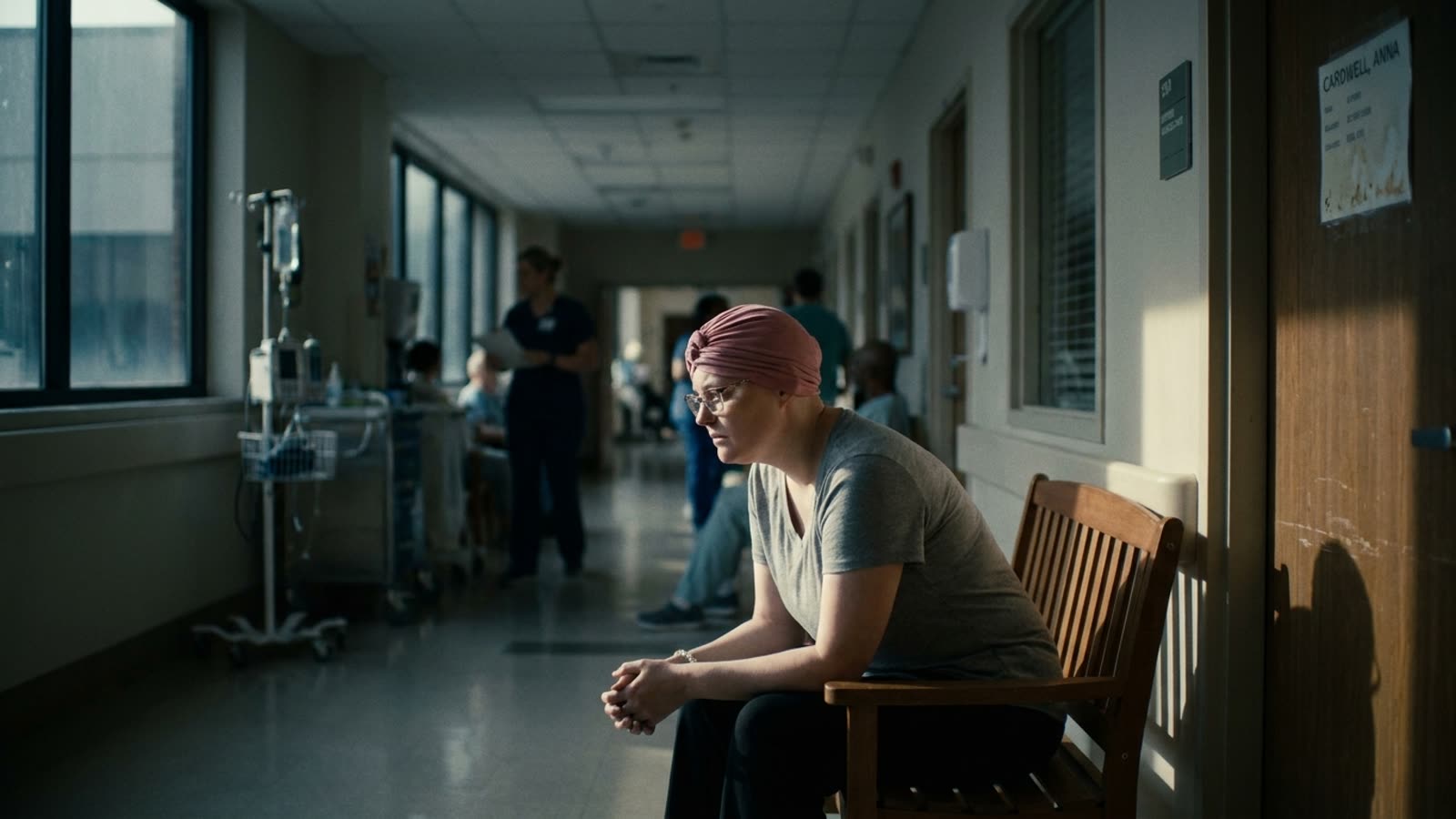
Anna Cardwell was eleven years old when cameras first entered her family's Georgia home, capturing the chaos that would become TLC's unlikely franchise phenomenon. She died at twenty-nine from adrenal carcinoma, leaving behind two daughters and a complicated legacy as the eldest child of June Shannon—the woman America came to know as Mama June, first through "Toddler & Tiaras" and then through the spinoff empire that followed.
The tributes have been predictably saccharine. What they avoid is the harder conversation: Cardwell spent her formative years as raw material for a television apparatus that monetized her family's dysfunction, her mother's addiction, and eventually her own estrangement from both. She was not a willing participant in any meaningful sense. She was a child.
The franchise that wouldn't die
The Shannon family's television journey began in 2012 with "Here Comes Honey Boo Boo," a show that invited viewers to gawk at a low-income Southern family's eccentricities. It was canceled in 2014 after revelations that June had rekindled a relationship with a man convicted of molesting Cardwell as a child. The network expressed appropriate horror. Then, three years later, it greenlit "Mama June: From Not to Hot," because weight loss narratives apparently cleanse all sins.
Cardwell appeared sporadically across these productions, her relationship with her mother serving as a recurring dramatic engine. Their reconciliations and ruptures played out on camera, each emotional beat presumably negotiated by producers seeking the right balance of conflict and resolution. When she received her cancer diagnosis, that too became content—her final months documented for "Mama June: Family Crisis."
The economics of family pain
Reality television's exploitation of minors operates in a regulatory void. Child labor laws that protect young actors on scripted productions apply unevenly, if at all, to children appearing in "unscripted" content about their own families. Parents sign the contracts. Networks collect the advertising revenue. The children receive whatever their families choose to give them—or don't.
Cardwell spoke in later interviews about feeling used, about the disconnect between the family's on-screen earnings and her own financial reality. She was not unique in this. The Gosselin children, the Duggar children, the various offspring of the Real Housewives franchise—all have navigated adulthood with the particular burden of having their childhoods sold to strangers.
Our take
Anna Cardwell deserved privacy in her illness and dignity in her death. She received neither, because the machinery that shaped her childhood continued operating until the end. The networks will continue greenlighting family reality shows, and parents will continue signing their children up, because the incentives remain unchanged. But every obituary that calls Cardwell a "reality star" should sit uncomfortably. She was a child who became a product. The industry that profited from her has yet to reckon with what it cost her.