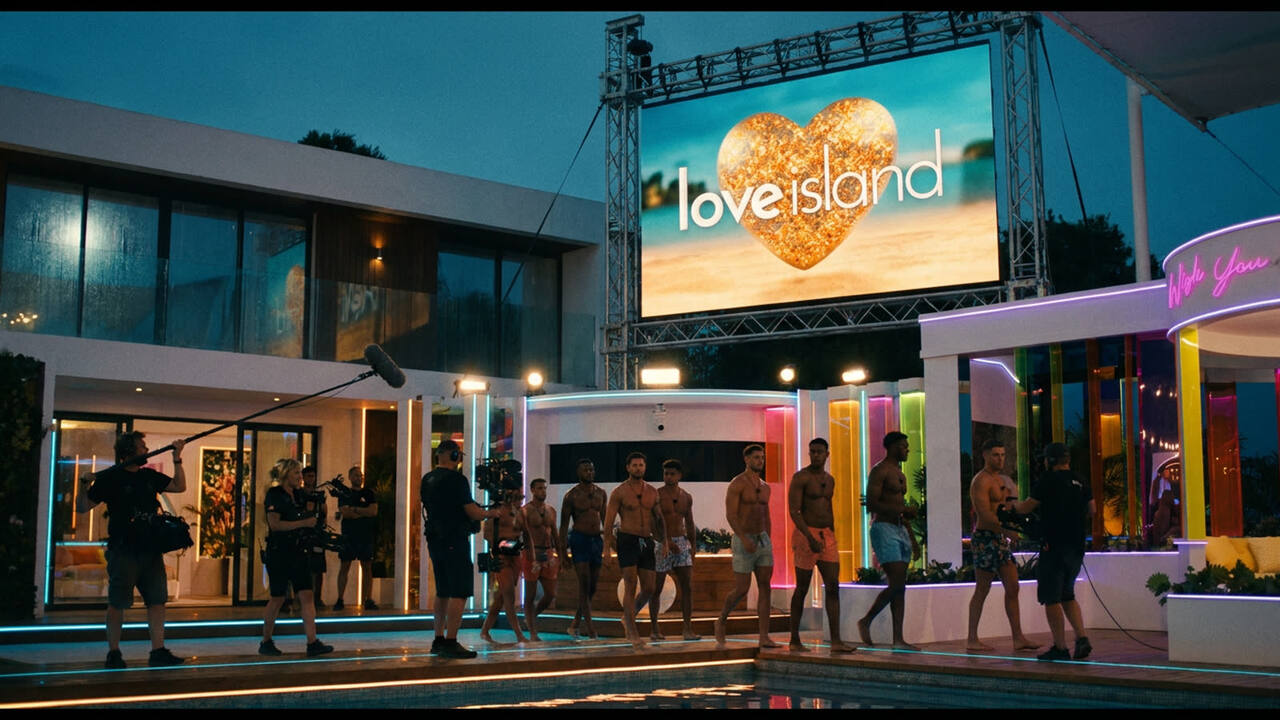
The formula is so reliable it barely qualifies as news anymore: attractive people in swimwear, strategically lit, doing very little of substance while millions watch. Yet Love Island's latest round of pre-season physique reveals—contestants photographed in states of careful undress, their summer-ready bodies offered up for public appraisal—demonstrates something worth examining about where reality television and fitness culture have converged.
The show, now spanning British, American, and Australian iterations with combined viewership in the tens of millions, has industrialized the beach body in ways that would have seemed absurd a generation ago. Contestants arrive not just camera-ready but Instagram-optimized, their appearances the product of months of preparation that increasingly resembles professional athletic training.
The professionalization of looking good
What distinguishes contemporary Love Island contestants from their predecessors is the sophistication of their preparation. Personal trainers, nutritionists, and social media coaches now form standard support teams for aspiring islanders. The pre-show fitness arc has become its own content category, with contestants documenting their transformation journeys for followers who may never watch the actual program.
This represents a meaningful shift in the economics of reality television. Contestants increasingly arrive with existing brand partnerships and follower counts that dwarf what previous generations built during their entire television runs. The villa has become less a launchpad than a credential—proof of having achieved a certain threshold of physical and social optimization.
Dating as performance sport
The show's genius, if we can call it that, lies in how thoroughly it has gamified attraction. Every coupling decision carries strategic weight; every recoupling ceremony functions as a fitness competition by proxy. The contestants who advance tend to be those who have most successfully commodified their appearance, transforming bodies into assets that appreciate with each episode.
This has downstream effects on how viewers, particularly younger ones, conceptualize romantic desirability. The message is not subtle: attraction is earned through visible effort, maintained through constant discipline, and validated through public selection. Love Island does not merely reflect fitness culture—it actively trains audiences to see physical optimization as the price of romantic admission.
Our take
There is something both impressive and dispiriting about Love Island's efficiency. The show has identified exactly what a certain audience wants—beautiful people in minimal clothing, making consequential choices about one another—and delivers it with manufacturing precision. That this formula works so reliably says less about the show's innovation than about how completely we have accepted the premise that bodies are products to be perfected, displayed, and judged. The contestants understand the assignment. The question is whether we should be assigning it at all.