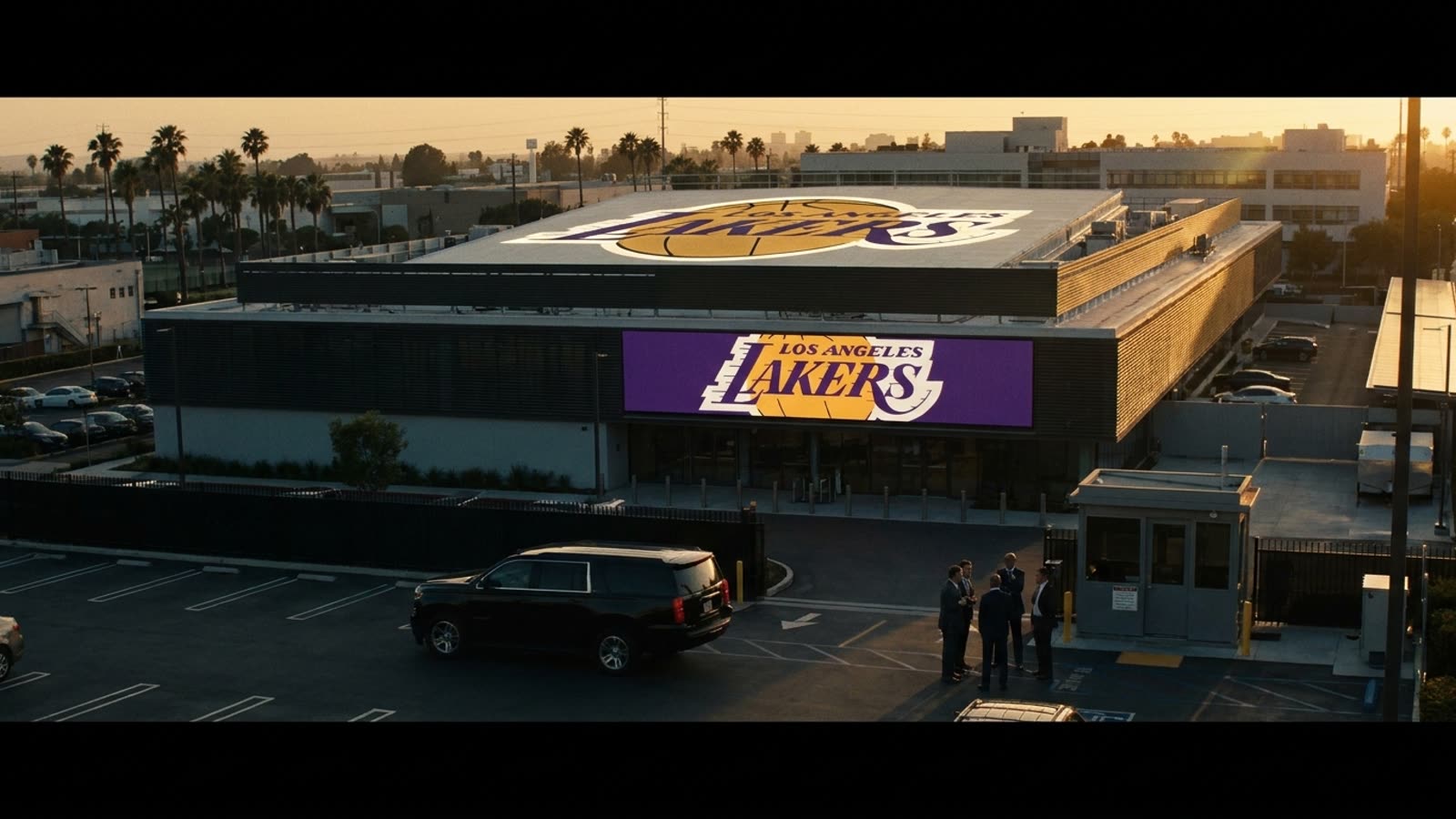
Professional sports ownership rarely moves at startup speed, yet the Los Angeles Lakers—a franchise synonymous with Hollywood glamour and championship expectations—found a new steward in the time it takes most billionaires to schedule a due-diligence call. Mark Walter, the Guggenheim Partners co-founder who already controls the Dodgers and Chelsea FC, emerged from three days of clandestine negotiations as the presumptive new face of Laker basketball. The deal's velocity was remarkable; what comes next is anything but certain.
A transaction born of dysfunction
The Buss family's internal politics have been an open secret since Jerry Buss died in 2013. Controlling owner Jeanie Buss has spent more than a decade fending off boardroom challenges from brothers Jim and Johnny, while sisters Janie and Joey have oscillated between factions. The latest eruption—reportedly triggered by disagreements over a proposed arena renovation and the team's luxury-tax strategy—created a narrow window for Walter to swoop in with a bid that satisfied enough siblings to cross the finish line. Sources familiar with the talks describe a frantic weekend of Zoom calls, term-sheet revisions, and last-minute concessions on governance seats.
What Walter buys—and what he inherits
At a reported valuation north of six billion dollars, Walter acquires the NBA's most valuable media asset outside of the league office itself. The Lakers' regional broadcast rights, global merchandise licensing, and real-estate footprint around Crypto.com Arena make the franchise a cash-flow engine even in down years. But Walter also inherits a roster in transition, a coaching staff under scrutiny, and a fanbase that measures success exclusively in banners. LeBron James is 41 and contemplating retirement; Anthony Davis remains injury-prone; and the front office has yet to identify a credible succession plan for either star.
The siblings aren't going anywhere
Crucially, the sale does not remove the Buss family from the picture. Multiple siblings retain minority stakes and board representation, meaning Walter will govern by coalition rather than fiat. That arrangement works when everyone agrees on direction; it becomes a liability the moment factions re-form. Given the family's track record, the next disagreement is a matter of when, not if.
Our take
Walter has proven adept at running trophy assets—the Dodgers have won two World Series under his watch, and Chelsea remains competitive in the Premier League despite a chaotic transfer strategy. But those organizations did not come with six co-owners who share a last name and decades of grievances. The Lakers sale was fast; the real test will be whether Walter can keep the Buss siblings aligned long enough to build something that outlasts the current drama.