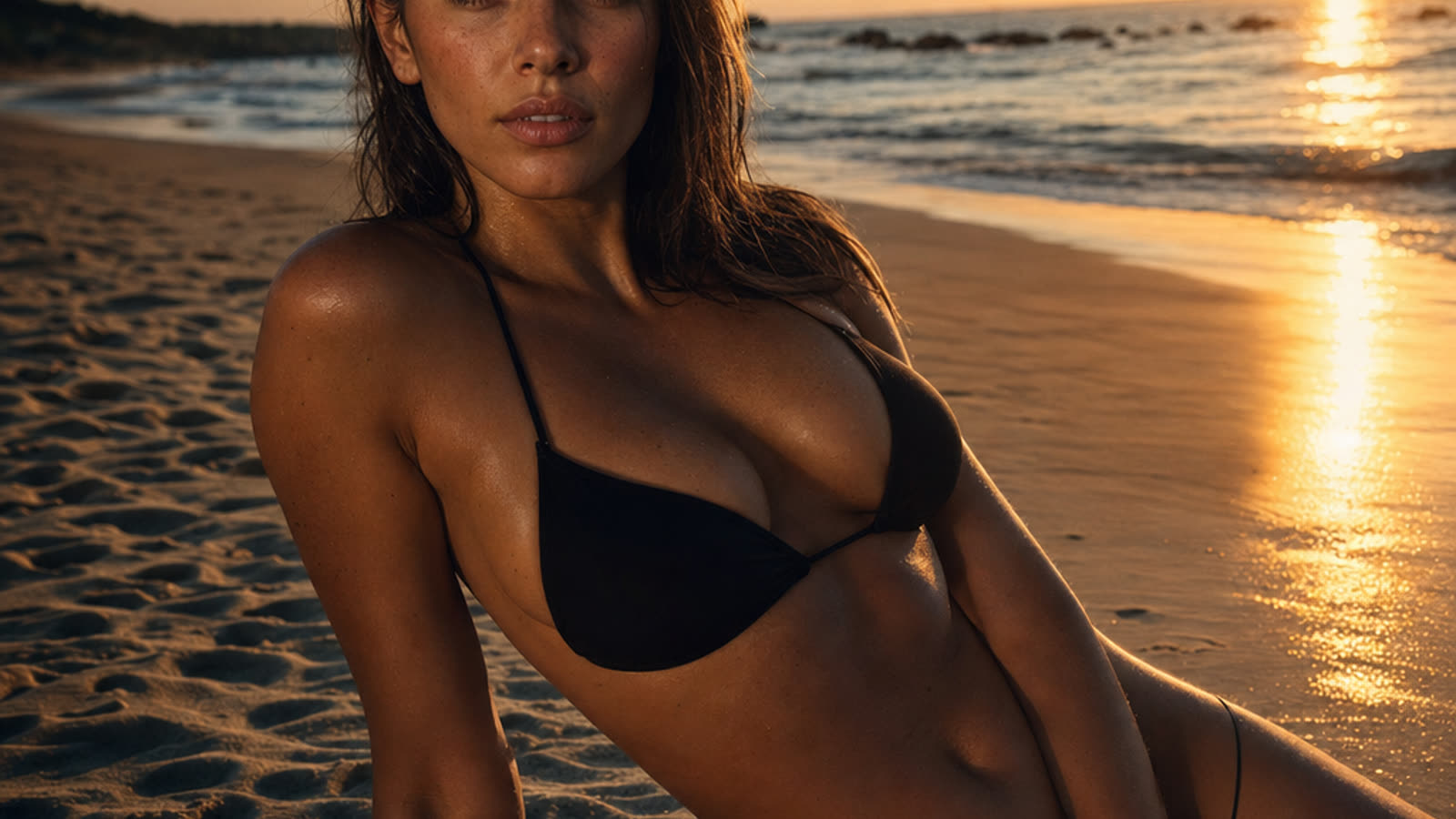
The bikini photo dump is perhaps the most reliable genre in influencer content, yet La Demi's latest vacation dispatch manages to feel like something more than algorithmic obligation. Her "busty pics," as the tabloids have charmingly labeled them, arrive amid a genuine inflection point in how the creator economy treats bodies that don't conform to the heroin-chic revival currently haunting high fashion runways.
What makes La Demi's content notable isn't the confidence itself—body positivity has been a marketable stance for nearly a decade now. It's the absence of the usual defensive framing. No lengthy caption about "learning to love myself." No before-and-after wellness journey. Just a woman in a bikini, on vacation, looking expensive.
The economics of unapologetic curves
Brand partnerships have historically required plus-size and curve-forward influencers to package their bodies as narratives of triumph over adversity. The implicit message: your body is acceptable because you've done the emotional work. La Demi and her cohort are increasingly rejecting this framework, and the numbers suggest audiences prefer it. Engagement rates on body-positive content that skips the confessional preamble consistently outperform the vulnerability-forward approach, particularly among Gen Z audiences who find performed trauma exhausting.
Swimwear and lingerie brands have noticed. The partnerships flowing to creators who simply exist in their bodies—rather than constantly explaining them—have grown substantially over the past eighteen months.
The runway disconnect
Meanwhile, the fashion establishment seems determined to pretend the past decade of size inclusivity never happened. Spring 2026 collections featured vanishingly few models above a size four, and the industry's brief flirtation with genuine diversity has retreated to tokenism. Social media creators like La Demi now occupy the space that fashion abandoned, serving as the primary visual reference for how most women actually dress and vacation.
This isn't a failure of high fashion so much as a clarification of its purpose. The runways sell aspiration; Instagram sells attainability. Both have their place, but only one reflects how the majority of consumers actually look in a two-piece.
Our take
La Demi's vacation content is neither revolutionary nor particularly novel—which is precisely the point. The normalization of diverse bodies in aspirational contexts has progressed to the point where a curvy woman posting confident bikini photos barely registers as a statement. That's progress, even if it arrives via the most commercial possible vector. The influencer economy, for all its sins, has proven more responsive to consumer desire for representation than legacy fashion institutions. Sometimes the market gets it right.