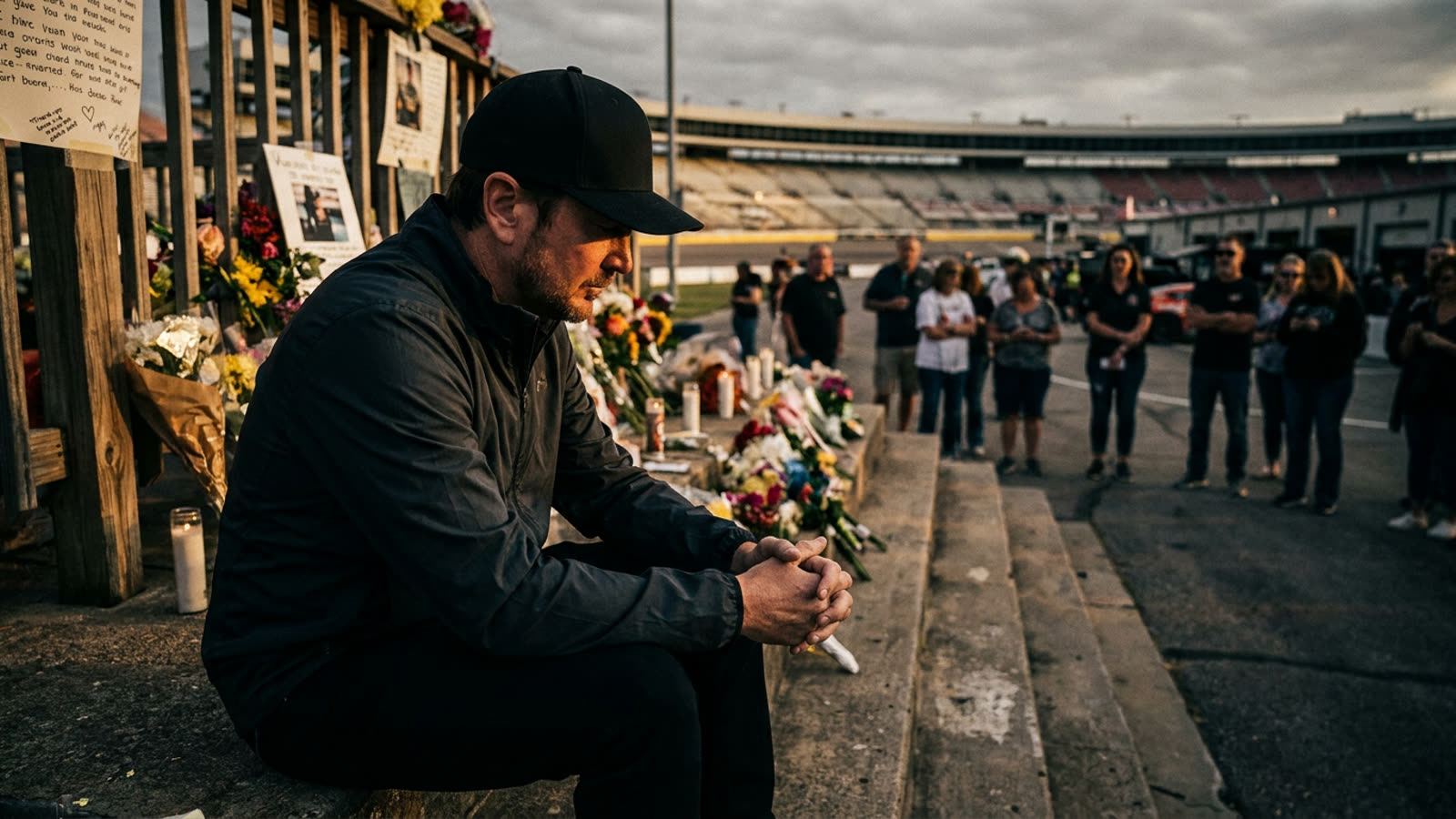
Kurt Busch's death at 46 was not the result of the crash that ended his career, but the aftermath tells a story about professional motorsport's reckoning with brain injuries that remains incomplete.
The Busch family confirmed that the 2004 NASCAR Cup Series champion died from severe pneumonia complicated by sepsis—a medical explanation that, on its surface, seems disconnected from racing. But those who followed Busch's final years know the through-line: a concussion sustained during qualifying at Pocono Raceway in July 2022 that never resolved, forcing his retirement and leaving him in a diminished state that made him vulnerable to cascading health failures.
The concussion that wouldn't heal
Busch's head injury was unremarkable by racing standards—a hard hit into the wall, the kind drivers absorb dozens of times across a career. He sat out races expecting to return within weeks. Weeks became months. Months became a medical retirement announcement in October 2023, when Busch acknowledged he could no longer compete at the elite level.
What distinguished Busch's case was his willingness to discuss it publicly. In an era when athletes across sports still minimize head trauma, Busch spoke candidly about persistent symptoms, cognitive difficulties, and the psychological toll of watching his identity as a driver dissolve. His transparency made him an unlikely advocate for concussion awareness in a sport that has historically celebrated drivers who shake off crashes and climb back into the car.
A career of contradictions
Busch won 34 Cup Series races across 23 seasons, claiming the championship in 2004 during NASCAR's last great boom era. He was talented, volatile, and polarizing—a driver who could produce sublime performances and spectacular feuds in equal measure. His rivalry with younger brother Kyle provided NASCAR with one of its most compelling family dramas. His personal life generated tabloid coverage that he largely handled with less grace than his on-track talent deserved.
By the time of his forced retirement, Busch had mellowed considerably. The driver who once seemed destined to flame out had become something rarer: a veteran who learned from his mistakes, rebuilt relationships, and found peace with a complicated legacy. That late-career growth made his medical decline more poignant.
Our take
Pneumonia and sepsis are the proximate causes, but Kurt Busch's death at 46 belongs in the larger conversation about what motorsport asks of its participants and what it owes them afterward. NASCAR has made genuine progress on safety—the HANS device, SAFER barriers, improved cockpit protection—but the sport's relationship with brain injuries remains awkward. Busch's willingness to speak openly about his struggles was a gift to drivers who will face similar decisions. That his body ultimately failed him in a hospital bed rather than on a racetrack doesn't make the loss any less connected to the sport that defined him.