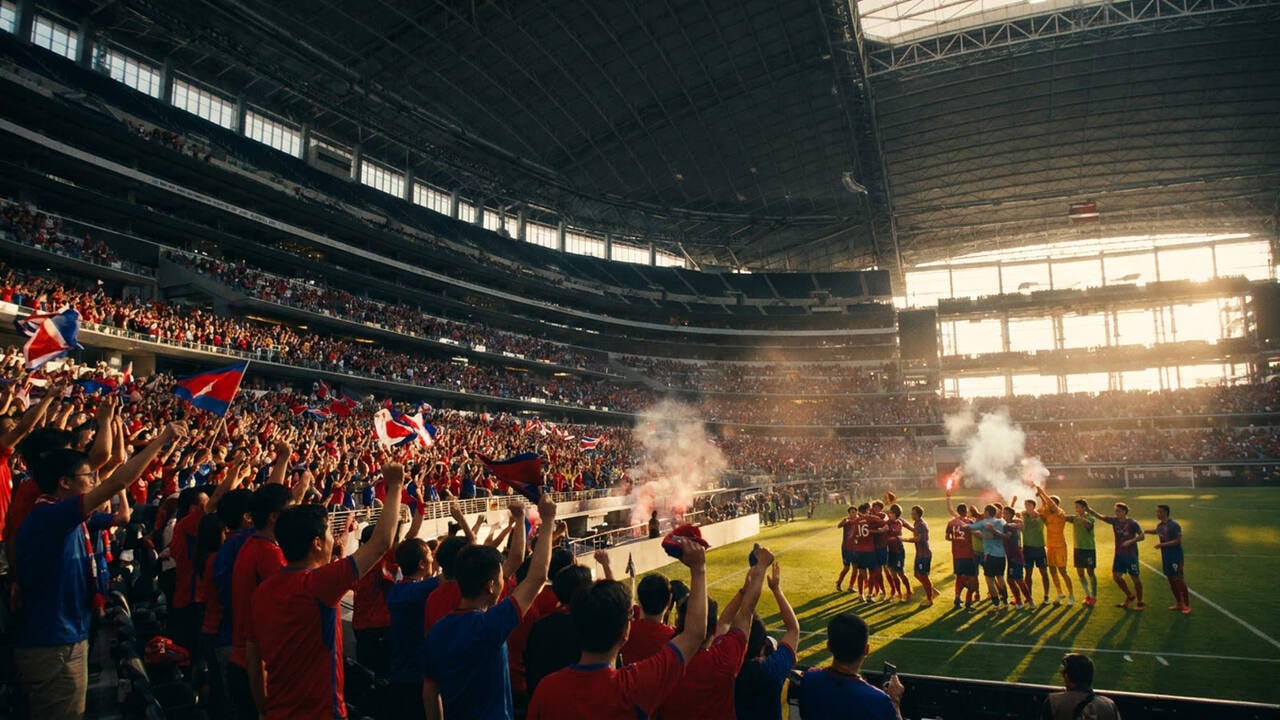
Kansas City's World Cup triumph represents both vindication and vulnerability. After years of infrastructure investment and lobbying, the metro has secured its place among North America's elite sporting destinations. Yet hosting a few matches in 2026 solves only the immediate prestige problem — not the structural challenge of sustaining international interest in America's heartland.
The billion-dollar bet
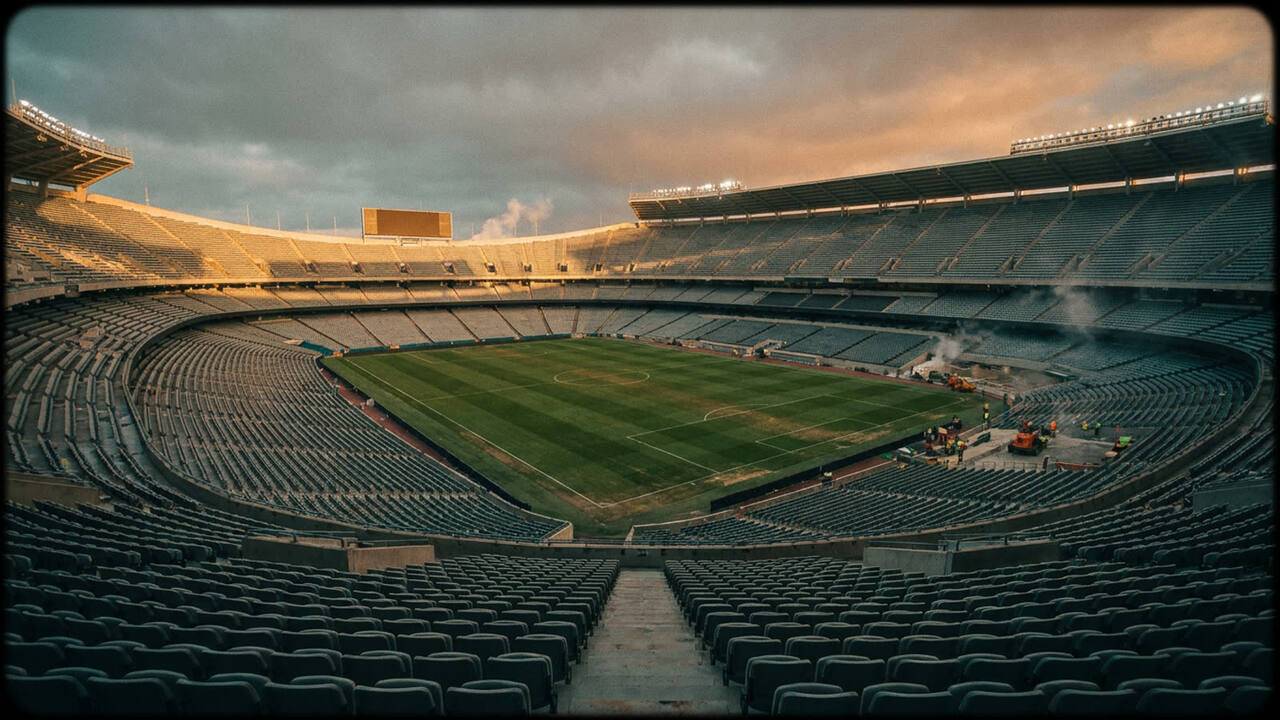
Kansas City's pursuit of World Cup hosting rights began more than a decade ago with stadium upgrades, transit improvements, and a coordinated campaign involving both Missouri and Kansas officials. The region spent heavily on Arrowhead Stadium renovations and surrounding infrastructure, betting that FIFA's quadrennial spectacle would provide the global validation that Super Bowls and MLB All-Star Games could not.
The investment reflects a broader American phenomenon: mid-tier cities using mega-events as catalysts for international recognition. Unlike coastal metros with established tourism industries, Kansas City needs the World Cup not just for immediate economic impact but as a launching pad for sustained visitor growth. Local officials project hundreds of millions in direct spending during the tournament, but the real prize is converting first-time visitors into repeat customers.
Beyond barbecue and jazz
Kansas City's tourism pitch has long centered on culinary heritage and jazz history — authentic draws that struggle to compete with Las Vegas entertainment or Miami beaches. The World Cup offers a rare chance to showcase the region's evolution: a growing tech sector, renovated downtown districts, and cultural investments that extend beyond traditional Midwest stereotypes.
Yet the challenge remains formidable. Cities like Atlanta and Seattle used their Olympic and World Cup moments to establish lasting international connections. Others, like many Brazilian World Cup hosts in 2014, saw tourist interest evaporate once the circus left town. Kansas City's geographic isolation and limited international flight connections compound the difficulty. The metro must somehow convert a month of global attention into a decade of sustained appeal.
Our take
Kansas City's World Cup hosting rights represent a calculated risk that could define the region's trajectory. Success means more than smooth tournament operations — it requires transforming temporary visibility into permanent relevance. The city has the infrastructure and ambition, but converting World Cup tourists into Kansas City evangelists will test whether heartland hospitality can overcome geographic disadvantage. History suggests the odds are long, but then again, Kansas City has beaten long odds before.