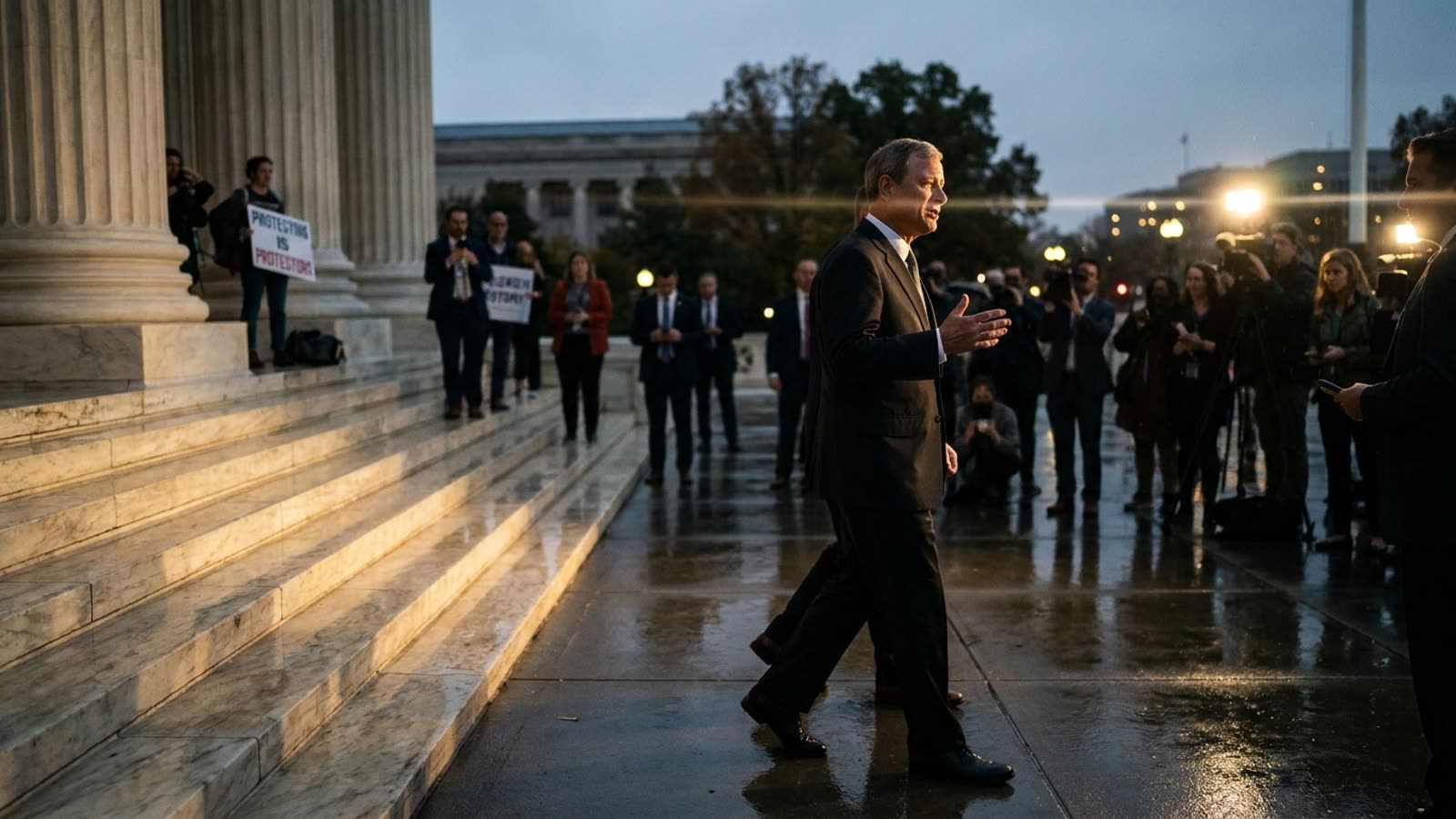
For most of his two decades on the Supreme Court, Samuel Alito cultivated the image of a jurist biding his time. Patient, methodical, occasionally overshadowed by the late Antonin Scalia's theatrical originalism or Clarence Thomas's lonely dissents. That era is over.
The current term has revealed an Alito operating with unmistakable purpose, authoring or joining majorities that align with the administration's most ambitious assertions of executive power. Where Chief Justice John Roberts has occasionally played the institutionalist — threading needles, preserving the Court's legitimacy through strategic restraint — Alito appears unburdened by such concerns. His jurisprudence this term reads less like constitutional interpretation and more like ideological consolidation.
The alignment is substantive, not merely coincidental
Consider the pattern. On immigration enforcement, Alito wrote for the majority in expanding executive discretion over deportation priorities. On administrative deference, he joined opinions accelerating the dismantling of Chevron's remnants. On executive privilege claims, his concurrences have signaled comfort with broad assertions of presidential immunity from congressional oversight. Each decision stands on its own doctrinal logic, but together they form a coherent project: strengthening the presidency against legislative and judicial constraint.
This is not the same as saying Alito is doing the White House's bidding. The relationship is more interesting than crude coordination. Alito's constitutional vision — skeptical of administrative agencies, protective of executive prerogative, hostile to what he views as judicial overreach by liberal predecessors — happens to align with an administration eager to test the boundaries of presidential power. They are traveling the same road for different reasons.
The Roberts contrast sharpens
The Chief Justice's approach this term has been notably different. Roberts has written narrowly where possible, joined liberal colleagues on procedural questions, and occasionally signaled discomfort with the pace of doctrinal change. His institutionalism — critics call it timidity — stems from a genuine concern about the Court's legitimacy in a polarized era.
Alito shows no such hesitation. His recent public remarks, unusual for a sitting justice, have dismissed concerns about the Court's approval ratings as irrelevant to its constitutional function. The Court's job, in his telling, is to be right, not popular. It is a defensible position, but one that leaves little room for the kinds of compromises Roberts believes preserve judicial authority over the long term.
Our take
Alito at 76 is not playing for legacy rehabilitation or future appointments. He is a justice who believes his moment has arrived and intends to use it. Whether that serves the Constitution or merely a political coalition will be debated for decades. What seems clear is that the Supreme Court's center of gravity has shifted, and Alito — not Roberts — may be its truest expression.