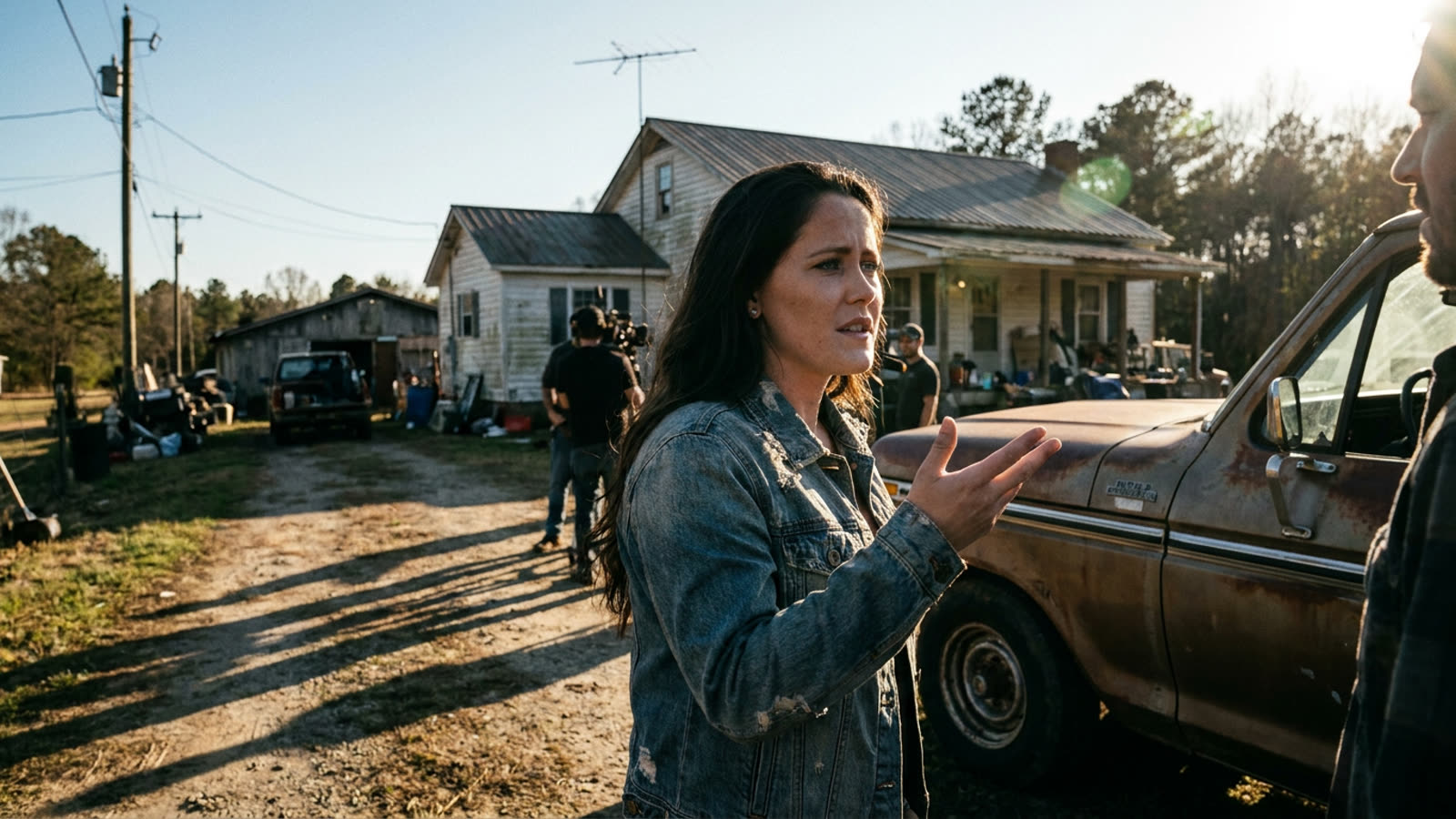
Few couples in the reality television pantheon have demonstrated such commitment to chaos as Jenelle Evans and David Eason. Their relationship, which has lurched through separations, reconciliations, legal troubles, and social media meltdowns since they first appeared together in 2015, operates less like a marriage than a perpetual content engine fueled by dysfunction.
The pair met on a dating app when Evans was still a fixture on MTV's Teen Mom 2, and their union quickly became the show's most controversial storyline. Eason's firing from the series in 2018 over homophobic tweets, followed by his shooting of the family dog in 2019, seemed like the kind of incidents that would end most public careers. Instead, they merely shifted the platform.
The economics of infamy
What Evans and Eason have discovered—whether by accident or design—is that notoriety converts to currency in the attention economy. Each scandal generates headlines, which drive social media engagement, which attracts brand partnerships from companies willing to trade respectability for reach. Their various ventures, from OnlyFans content to TikTok videos to podcast appearances, depend entirely on the audience's appetite for watching a slow-motion collision.
The business model is not unique to them. The Kardashians pioneered the transformation of personal drama into premium content, but they did so with a veneer of aspiration. Evans and Eason offer something rawer: the spectacle of people who seem genuinely incapable of stability, broadcasting their struggles to millions who watch with a mixture of concern and schadenfreude.
Why we cannot look away
The psychology of the Evans-Eason audience is worth examining. Their followers are not primarily fans in the traditional sense—many express open hostility in comment sections while continuing to watch every post. The relationship functions as a kind of participatory morality play, allowing viewers to feel superior while remaining engaged. It is judgment as entertainment, concern-trolling elevated to a leisure activity.
This dynamic has proven remarkably durable. Despite years of predictions that the couple would fade into obscurity, they continue to command attention. Their children, their property, their legal entanglements—all become fodder for a narrative that never quite resolves, because resolution would end the show.
Our take
Jenelle Evans and David Eason are not victims of the media attention they receive; they are its architects. Every reconciliation, every cryptic social media post, every public dispute is a content decision, consciously or not. The audience bears responsibility too—the market for their particular brand of chaos remains robust because people keep watching. Whether this constitutes entertainment or exploitation depends largely on how much agency you believe reality stars possess over their own narratives. The answer, as with most things involving this couple, is probably more complicated than anyone wants to admit.