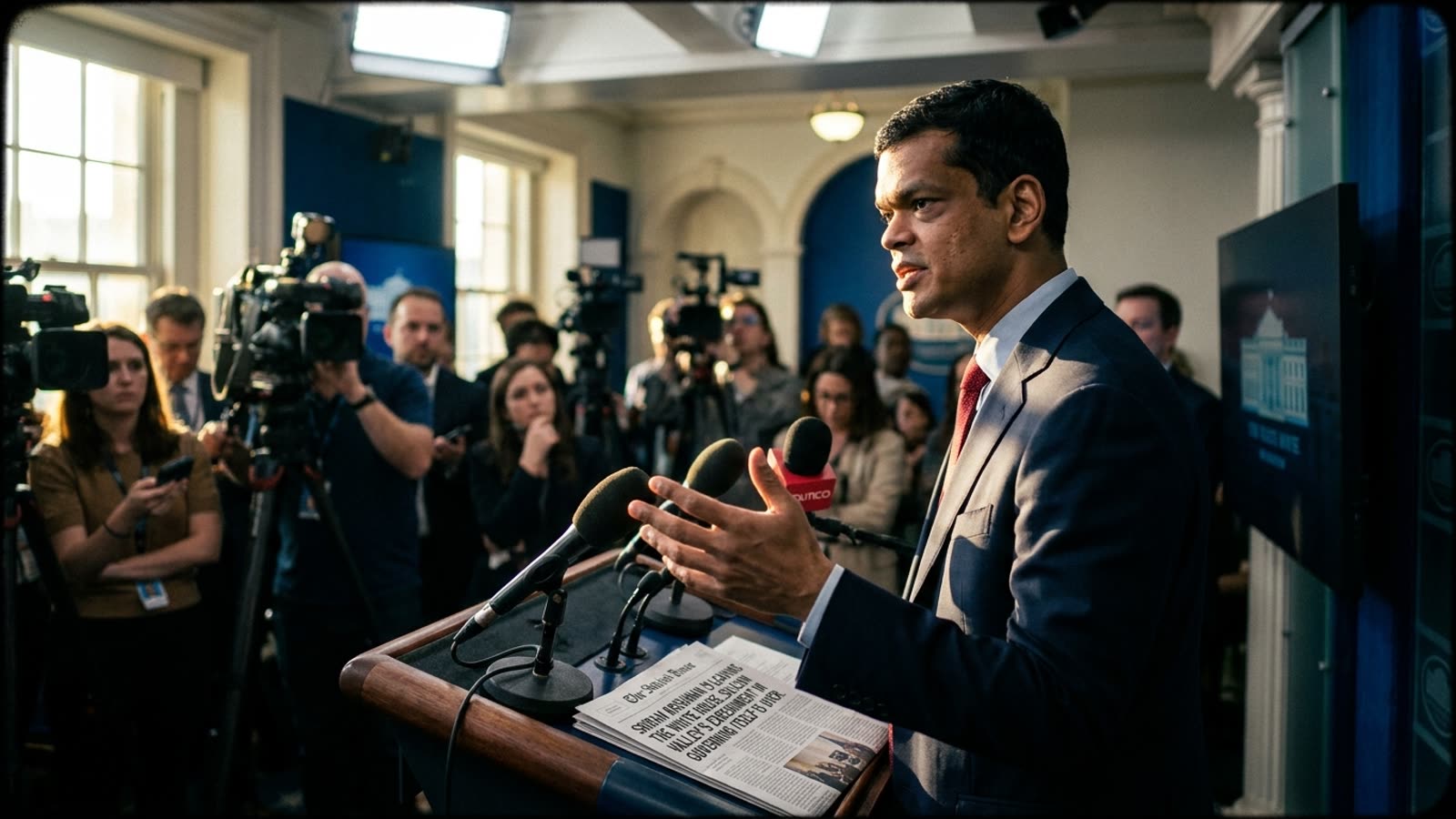
The notion that sports and politics occupy separate realms has always been a polite fiction, but Iran's announcement that the United States denied visas to key officials for the 2026 World Cup dispenses with the pretense entirely. With American and Iranian forces actively exchanging strikes amid the unraveling Middle East ceasefire, Washington appears to have decided that FIFA credentials do not constitute a diplomatic carve-out.
The timing is pointed. Iran's claim comes as the fragile ceasefire between Israel and Hamas faces what officials describe as its most severe strain since negotiations began, with the US and Iran launching fresh strikes against each other's regional assets. The visa denial—affecting officials whose presence would be required for Iran's participation in the tournament—transforms what should be a bureaucratic formality into a statement of policy.
The World Cup as leverage
The 2026 World Cup, co-hosted by the United States, Canada, and Mexico, was always going to test the boundaries of sports neutrality. Iran qualified for the tournament through the Asian confederation, and under FIFA's rules, the host nation is obligated to admit all participating delegations. But FIFA's rules have never superseded American immigration law, and the current administration has shown little interest in creating exceptions for adversaries.
The denied officials reportedly include federation executives and technical staff essential to Iran's tournament operations. Without them, Iran's participation becomes logistically untenable—which may be precisely the point. The administration can claim it is enforcing existing sanctions and security protocols rather than explicitly banning Iran, while achieving the same practical outcome.
Historical echoes, contemporary stakes
This is not the first time geopolitics has threatened World Cup participation. The Soviet Union boycotted the 1984 Los Angeles Olympics, and various nations have faced pressure to withdraw from tournaments over human rights concerns. But outright visa denial by a host nation against a qualified team would be unprecedented in World Cup history.
FIFA finds itself in an uncomfortable position. The organization has spent decades cultivating an image of political neutrality, insisting that football transcends national disputes. That stance becomes difficult to maintain when one of its three host nations refuses entry to another member federation's officials. FIFA's options range from quiet diplomacy to the nuclear option of relocating Iran's matches to Canada or Mexico—neither of which resolves the underlying conflict.
Our take
The administration is making a calculated bet that the domestic political benefits of appearing tough on Iran outweigh the diplomatic awkwardness of turning a sporting event into a sanctions enforcement mechanism. They are probably right. Most Americans will not lose sleep over Iranian football officials being denied entry while American service members are in harm's way. But the decision does establish a precedent: that major international events hosted on American soil are subject to the same geopolitical constraints as everything else. Future Olympic bids and World Cup hosting arrangements will need to account for the possibility that qualification does not guarantee participation. The era of sports as neutral ground, if it ever truly existed, is definitively over.