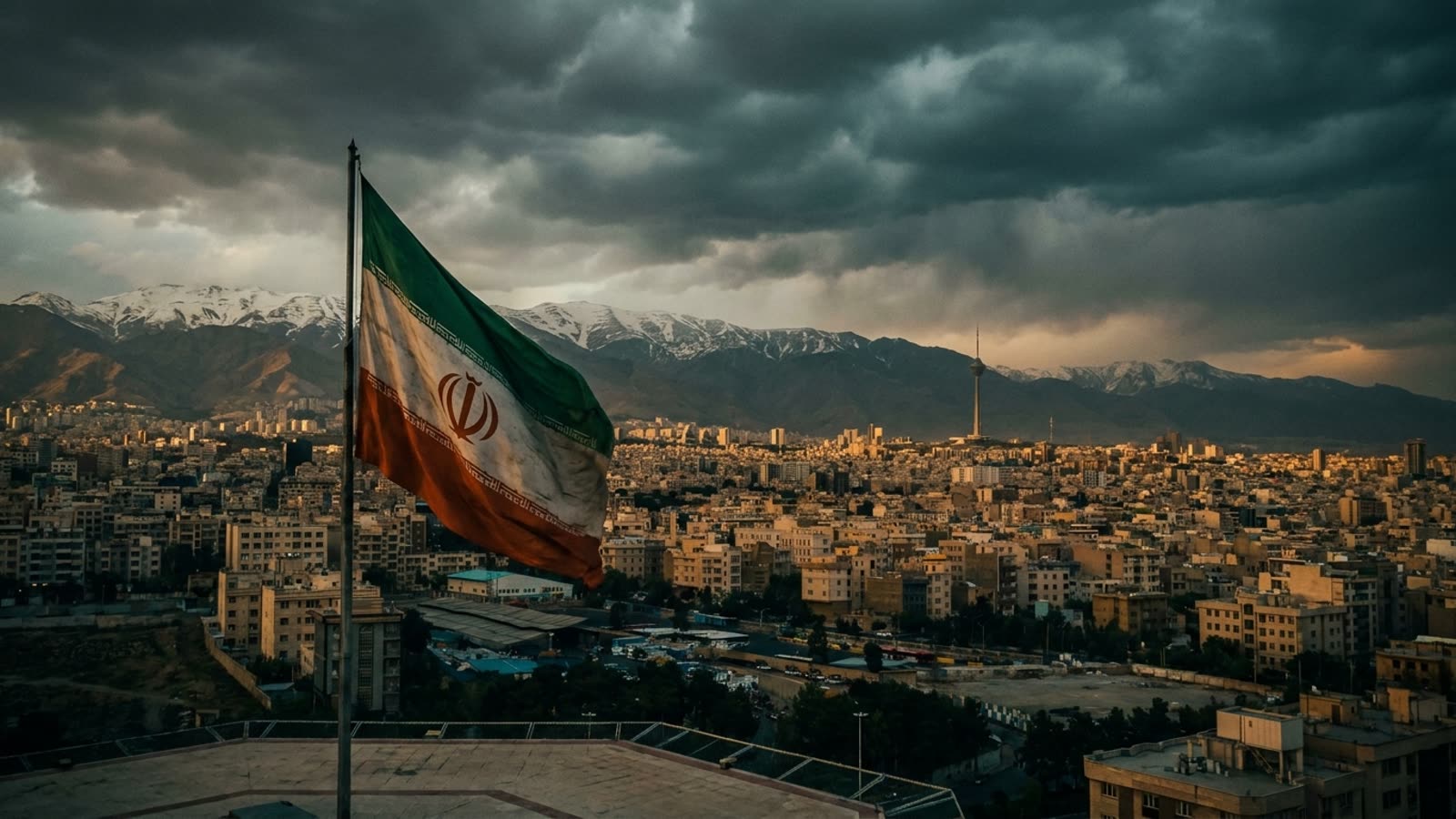
A ceasefire framework between Washington and Tehran has been reached, multiple sources confirm, but the deal awaits President Trump's formal sign-off — a procedural step that nonetheless injects uncertainty into the most significant de-escalation effort since hostilities intensified earlier this year.
The contours of the agreement reportedly include a mutual pause in direct military strikes, a commitment to resume indirect nuclear talks, and a partial unfreezing of Iranian assets held abroad. For the region, the stakes are existential; for the administration, the calculus is political.
Why Trump's approval is not automatic
Presidential ratification of ceasefire frameworks is typically pro forma, but this administration has repeatedly used the approval stage as leverage. Trump has publicly demanded recognition of Israeli territorial claims as a precondition for broader Middle East diplomacy, a stance that has baffled regional partners and complicated negotiations. The Iran deal, while technically bilateral, exists within this wider strategic context. Advisers are reportedly divided: some view the ceasefire as a legacy-defining achievement; others worry it undercuts the administration's maximum-pressure posture.
Tehran's gamble
Iran's willingness to negotiate reflects genuine economic strain. Sanctions, compounded by military expenditures, have squeezed the regime's budget. But the Islamic Republic has been burned before — the 2015 nuclear accord's collapse after US withdrawal remains a scar. Iranian officials are framing this agreement as a "test of American reliability," language that sets up a convenient exit ramp if Trump hesitates.
Oil markets hedge their bets
Crude prices settled in mixed territory following the news, with traders unable to price in certainty. A sustained ceasefire would ease supply anxieties, particularly for Gulf shipping routes. But the conditional nature of the deal — pending one man's decision — has kept volatility elevated. Energy analysts note that even a signed agreement may not fully restore pre-conflict risk premiums.
Our take
The deal is real, but so is the ambiguity. Trump has never been a president who rubber-stamps anything, least of all agreements that constrain his freedom of maneuver. The ceasefire's survival depends less on its merits than on whether the White House sees more value in the photo op or the continued leverage of an unresolved conflict. History suggests betting on the latter is not irrational.