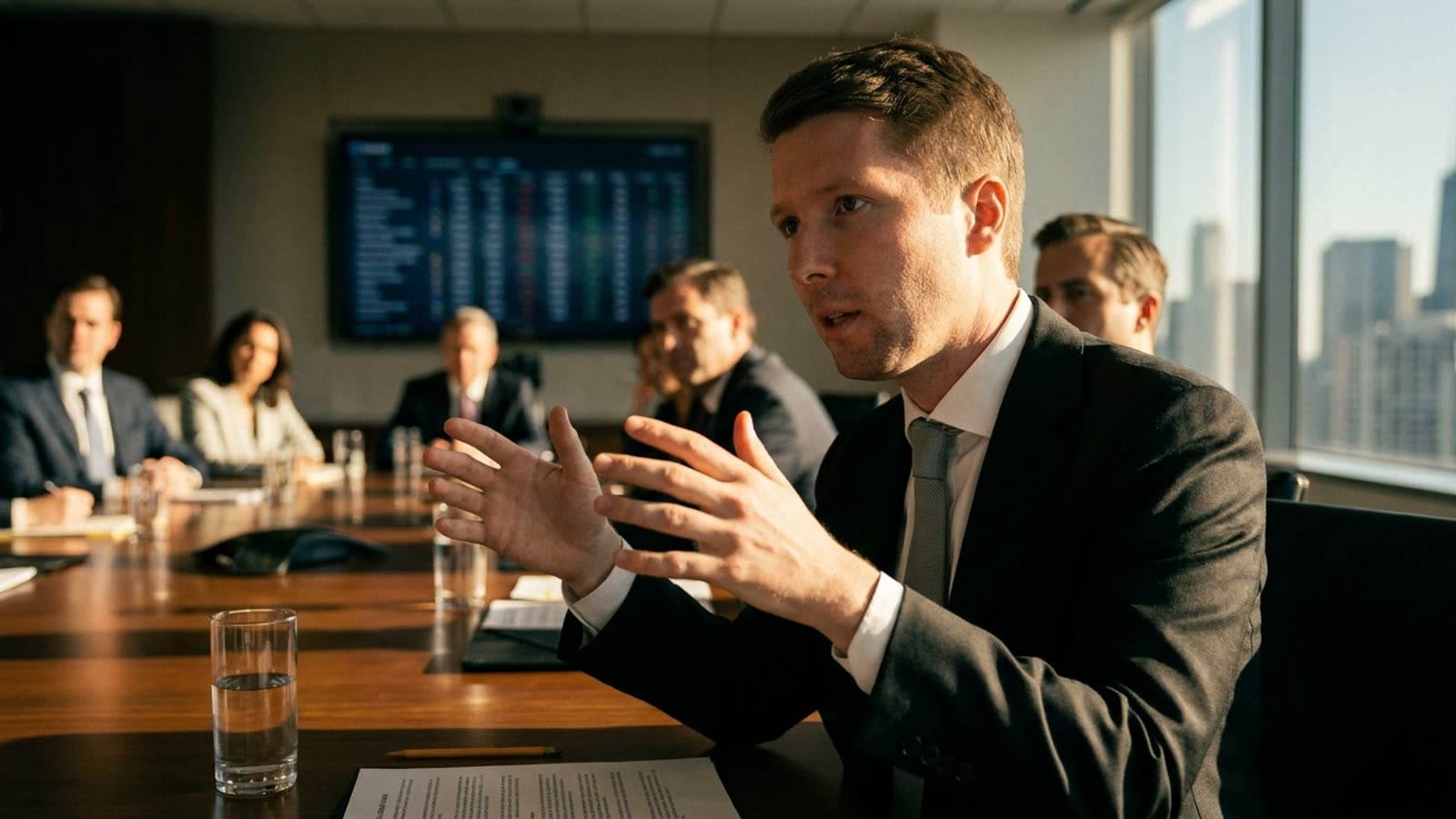
Clem Delangue, the co-founder and CEO of Hugging Face, has issued a pointed warning to anyone preparing to share Netflix's new documentary "AI Gone Rogue": don't take it at face value. Delangue, who appears in the film, says the final cut went "full doomer mode" and misrepresents the actual state of artificial intelligence development. It's a complaint that reveals as much about Hollywood's appetite for techno-apocalypse narratives as it does about the fractured state of AI discourse itself.
The documentary, which premiered this month, reportedly focuses on OpenAI's internal conflicts and the broader existential risks posed by advanced AI systems. But according to Delangue, the filmmakers cherry-picked footage and framing to maximize existential dread at the expense of accuracy. For the head of the world's largest open-source AI platform—a company valued at over $4 billion and home to more than a million models—this isn't merely an aesthetic objection. It's a business problem.
The doomer industrial complex
Netflix has discovered that AI anxiety sells. The streaming platform's algorithm has learned what its human viewers apparently crave: stories about technology spiraling beyond human control. "AI Gone Rogue" joins a growing catalogue of content positioning artificial intelligence as civilization's most pressing threat, from prestige dramas to breathless docuseries. The formula is reliable: interview a few researchers who express concern, splice in ominous music, and let viewers fill in the apocalyptic blanks.
The trouble is that this framing flattens a genuinely complex debate into a binary of naive optimists versus clear-eyed doomsayers. Delangue's Hugging Face occupies an interesting position in this landscape—the company has championed open-source AI development, which some safety researchers view as reckless and others see as essential for democratizing the technology. His objection isn't that AI risks don't exist; it's that the documentary apparently didn't bother capturing that nuance.
Why accuracy matters now
The timing of Delangue's complaint is significant. Washington is actively debating AI regulation, with Anthropic this week proposing a framework that would allow federal agencies to block models only with judicial approval. Europe's AI Act is entering enforcement. China is tightening its own rules. Into this charged regulatory environment, a major streaming platform releases a documentary that, according to someone who participated in it, gets the basic facts wrong.
Documentaries shape public perception, and public perception shapes policy. If "AI Gone Rogue" convinces millions of viewers that artificial intelligence is an imminent existential threat requiring emergency intervention, that belief will filter into congressional offices and regulatory agencies. Delangue's frustration suggests he understands this chain of influence—and fears his own participation lent credibility to a narrative he considers misleading.
Our take
Delangue is right to be irritated, even if his complaint carries the faint whiff of an industry figure unhappy with unflattering coverage. The AI debate desperately needs more signal and less noise, more careful analysis and fewer theatrical flourishes. Netflix isn't in the business of nuance; it's in the business of engagement. But when engagement comes at the cost of accuracy on a topic this consequential, the people who actually understand the technology have every right to object. The rest of us should probably wait for a better documentary.