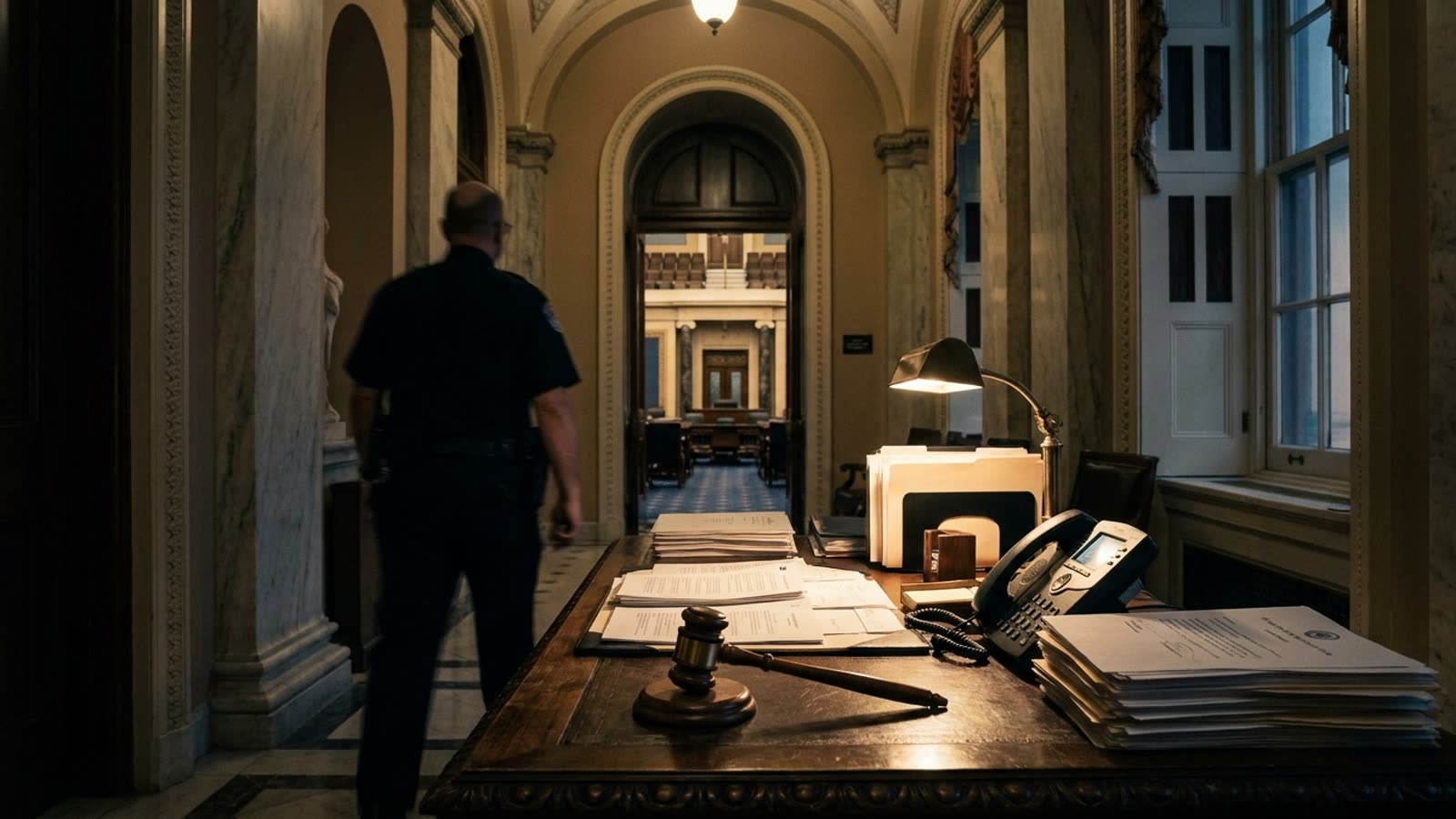
The public theater of legislative votes—the dramatic holdouts, the last-minute switches, the gavels banging—obscures a quieter truth: by the time most bills reach the floor, their fate has already been sealed in private conversations that began weeks earlier. The officials who conduct this shadow arithmetic are called whips, and their craft is among the least understood and most consequential in democratic governance.
The term derives from the "whipper-in" of British fox hunts, the rider tasked with keeping hounds from straying. The legislative analogy is apt. Whips exist to prevent defection, but their real power lies not in discipline but in intelligence—knowing, before anyone else, exactly where every member stands and what might move them.
The count before the count
A skilled whip operation begins with classification. Members are sorted into categories: hard yes, lean yes, undecided, lean no, hard no. The undecideds and leans receive the attention. Whips compile dossiers that would impress any intelligence agency: which members face tough primaries, who needs a favor for their district, whose spouse is ill, who harbors grudges against the bill's sponsor.
The actual conversations are rarely about ideology. A wavering vote might be secured with a promise to hold a hearing on an unrelated issue, a commitment to campaign in someone's district, or simply a well-timed phone call from a figure the member admires. The currency is rarely cash—it's attention, access, and future consideration.
What makes this system function is its informality. Nothing is written down. Promises are kept because reputations depend on it. A whip who reneges loses the ability to make deals; a member who lies about their vote finds future requests ignored.
When the count breaks down
The most revealing moments come when whip operations fail. The 2008 rejection of the initial bank bailout in the U.S. House stunned leadership precisely because their count had shown passage. Members who had indicated support voted no when the roll was called, calculating that the political cost of appearing to rescue Wall Street outweighed their quiet commitments.
Such miscounts expose the system's fragility. Whips can only count what members tell them, and members sometimes lie—to leadership, to themselves, or simply change their minds when the moment arrives. The gap between the private count and the public vote is where democratic accountability actually lives.
The whip's paradox
Party discipline has strengthened dramatically in most Western democracies over the past half-century. In Westminster systems, rebellion has become rarer; in the U.S. Congress, party-line votes now dominate. This might suggest whips have become more powerful, but the opposite may be true. When nearly every vote is predetermined by party affiliation, the whip's subtle arts matter less. The interesting work happens only on the margins—the handful of votes each session where the outcome genuinely hangs in doubt.
This is the whip's paradox: their role is most visible when least necessary, and most crucial when invisible.
Our take
The whip system offends democratic purists who believe votes should reflect conscience, not horse-trading. But this criticism misunderstands what legislatures actually do. Lawmaking is negotiation, and negotiation requires someone who knows what everyone wants. Whips are not corrupters of democracy—they are its plumbers, connecting pipes that would otherwise never meet. The alternative is not purer deliberation; it is paralysis.