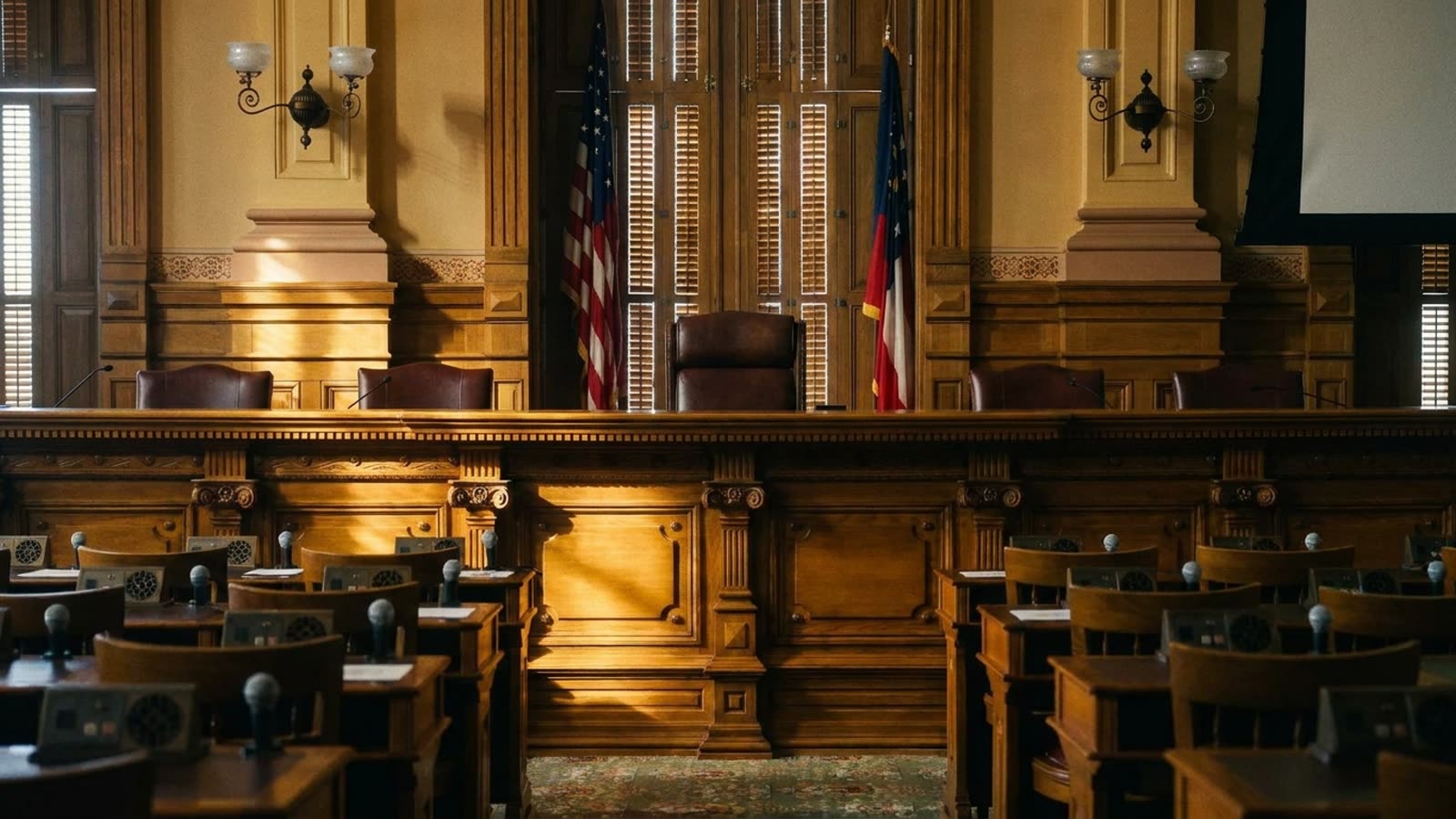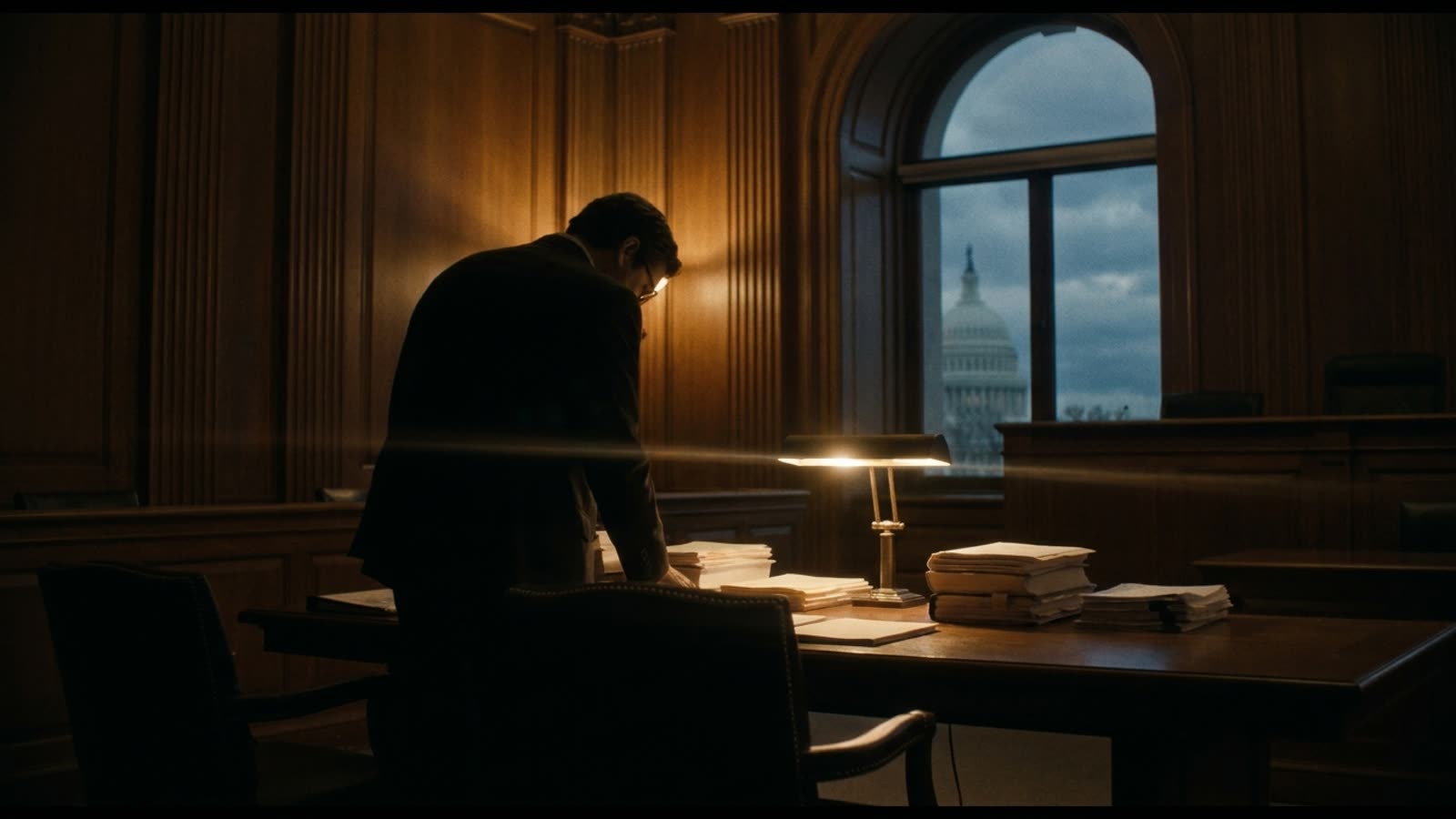
The justices of the United States Supreme Court are among the most scrutinized public figures in American life. Their clerks are not. This asymmetry matters more than most citizens realize, because the young lawyers who spend a year in chambers often do the intellectual heavy lifting that shapes decisions affecting three hundred million people.
The clerkship system began modestly in 1882, when Justice Horace Gray hired a recent Harvard Law graduate to assist with research. What started as glorified secretarial work evolved into something far more consequential. Today's clerks draft bench memos that frame how justices understand cases before oral argument. They write first drafts of opinions. They serve as intellectual sparring partners for some of the most powerful jurists on earth—all while typically being under thirty years old and earning government salaries that their law school classmates in private practice would consider pocket change.
The selection funnel
The path to a Supreme Court clerkship is perhaps the most competitive meritocratic tournament in American professional life. Candidates must first secure a federal appellate clerkship, itself a grueling competition. They must have graduated near the top of their class at an elite law school—in practice, this means Harvard, Yale, Stanford, Chicago, or occasionally a handful of others. They must have caught the attention of a "feeder judge," an appellate jurist whose former clerks have historically advanced to the high court.
The result is a startlingly homogeneous group. Studies of clerk demographics reveal a pipeline dominated by graduates of a tiny number of institutions, often with similar ideological orientations carefully matched to the justice who hires them. Conservative justices draw from the Federalist Society network; liberal justices from the American Constitution Society and its equivalents. The clerks arrive pre-sorted.
The work behind the curtain
What clerks actually do varies by chambers. Some justices treat them as research assistants; others delegate substantial drafting authority. Justice Louis Brandeis famously worked his clerks to exhaustion. More recent accounts suggest that in some chambers, clerks write nearly complete first drafts of opinions that justices then edit and refine.
The cert pool—where clerks from multiple chambers jointly review the thousands of petitions asking the Court to hear cases—represents perhaps their most consequential gatekeeping function. A single clerk's memo recommending denial can effectively end a legal dispute, with justices often accepting these recommendations without independent review. The Court hears fewer than eighty cases per year out of roughly seven thousand petitions. The clerks help decide which seven thousand become eighty.
The alumni network
After their year in chambers, clerks scatter into positions of remarkable influence. They become law professors, federal judges, partners at elite firms, and occasionally justices themselves. Chief Justice John Roberts clerked for William Rehnquist. Elena Kagan clerked for Thurgood Marshall. The institution perpetuates itself, with former clerks hiring future clerks who share their jurisprudential worldview.
The signing bonuses that major law firms offer Supreme Court clerk alumni—often exceeding four hundred thousand dollars—reflect the market's assessment of what that year in chambers is worth. It is not merely prestige. It is access to the inner workings of constitutional interpretation at its highest level, knowledge that proves valuable for decades.
Our take
The clerkship system is neither corrupt nor illegitimate, but it deserves more public attention than it receives. These are unelected, unconfirmed positions of genuine intellectual power, filled through a process that rewards a very specific kind of academic achievement and ideological alignment. When Americans debate judicial appointments, they focus on the justices themselves. They might also ask who those justices will hire to help them think—and write—through the hardest questions in American law.