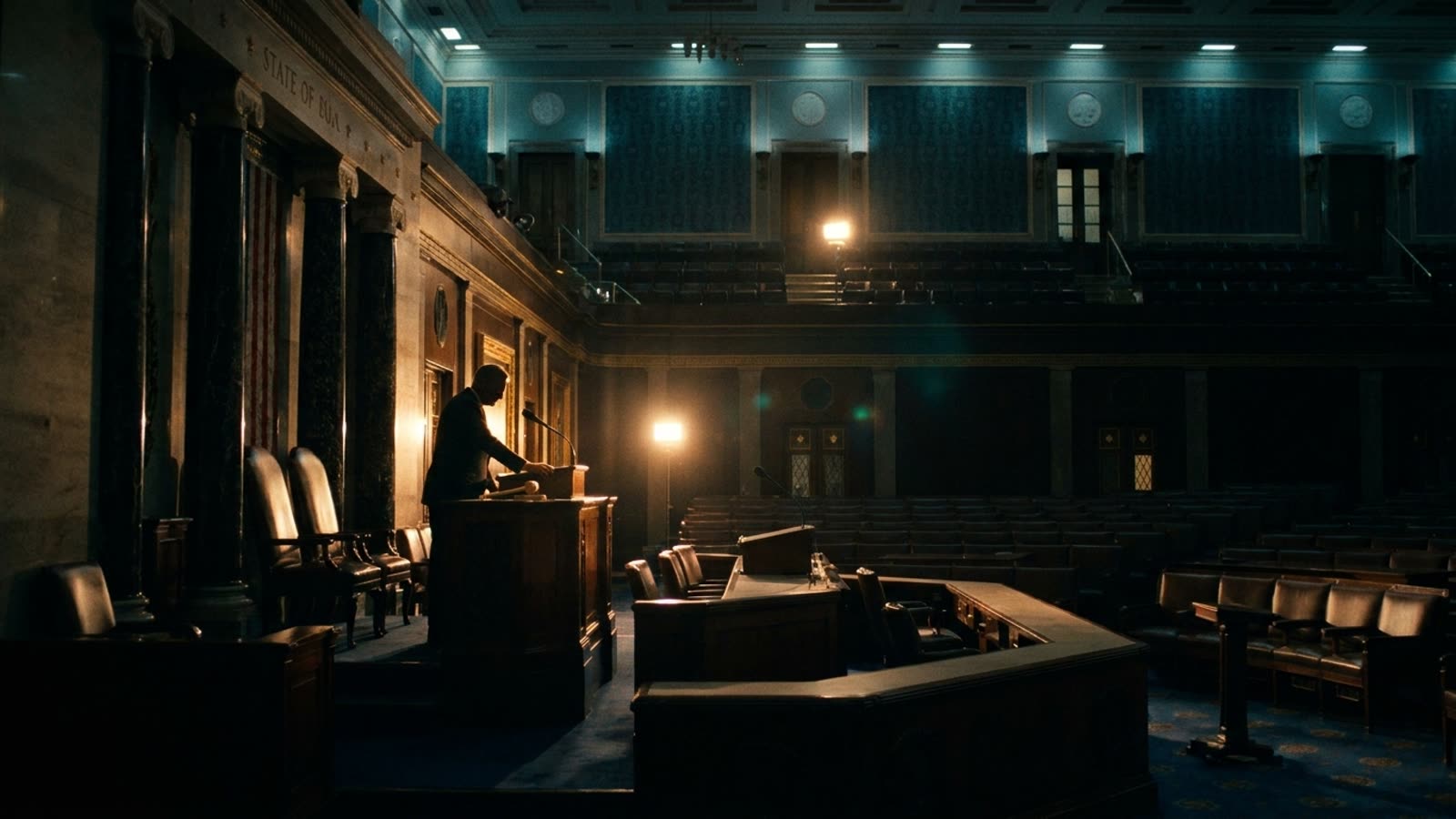
The Speaker of the United States House of Representatives is often described as the second most powerful person in American government, a characterization that is both accurate and deeply incomplete. The position's true influence lies not in its constitutional rank in the presidential line of succession but in an intricate web of procedural authorities that most Americans—and indeed many members of Congress—only dimly understand.
The Speaker's power begins with something deceptively simple: the ability to decide what gets voted on. In the House, no bill reaches the floor without leadership approval, a gatekeeping function that has no real equivalent in most parliamentary democracies. A Speaker can effectively kill legislation by simply declining to schedule it, a tactic deployed countless times across party lines. This negative power—the capacity to prevent rather than create—may be the office's most consequential attribute.
The rules committee as extension of the speakership
The House Rules Committee, often called the Speaker's committee, determines the terms under which legislation is debated. It decides whether amendments can be offered, how long debate will last, and what procedural motions are in order. The Speaker's allies dominate this committee by design, creating a second layer of control over the legislative agenda. When a Speaker wants a bill to pass cleanly, the Rules Committee can craft a closed rule that prohibits amendments entirely. When a Speaker wants to expose the minority party to difficult votes, the committee can allow targeted amendments designed for maximum political discomfort.
Recognition and the chair's discretion
A subtler power resides in the Speaker's authority to recognize members who wish to speak. While this might seem ceremonial, recognition determines who can offer motions, raise points of order, or demand recorded votes. A Speaker can decline to recognize a member attempting a procedural maneuver, effectively preventing that maneuver from occurring. This discretion operates largely beyond appeal, giving the chair enormous real-time control over floor proceedings.
The Speaker also appoints members to conference committees, the bodies that reconcile differences between House and Senate versions of legislation. By selecting conferees sympathetic to particular provisions, a Speaker can shape final legislation in ways invisible to casual observers. A bill that passes both chambers can emerge from conference substantially transformed.
The fragility beneath the power
Yet for all this authority, the speakership rests on an unstable foundation: the continued confidence of a majority of House members. Unlike a prime minister who typically commands party discipline through control of candidate selection and career advancement, an American Speaker can be challenged at any moment through a motion to vacate the chair. This vulnerability has grown more acute as party coalitions have become more fractious, transforming what was once a theoretical check into a genuine threat.
Our take
The Speaker's office represents a peculiarly American solution to the problem of legislative organization—vast procedural power constrained by perpetual political precarity. Understanding this tension explains much about congressional dysfunction. Speakers must constantly balance the exercise of their formal authorities against the informal requirement of maintaining coalition loyalty, a balancing act that often produces outcomes satisfying to no one. The gavel is heavy, but the hand holding it must never stop counting votes.