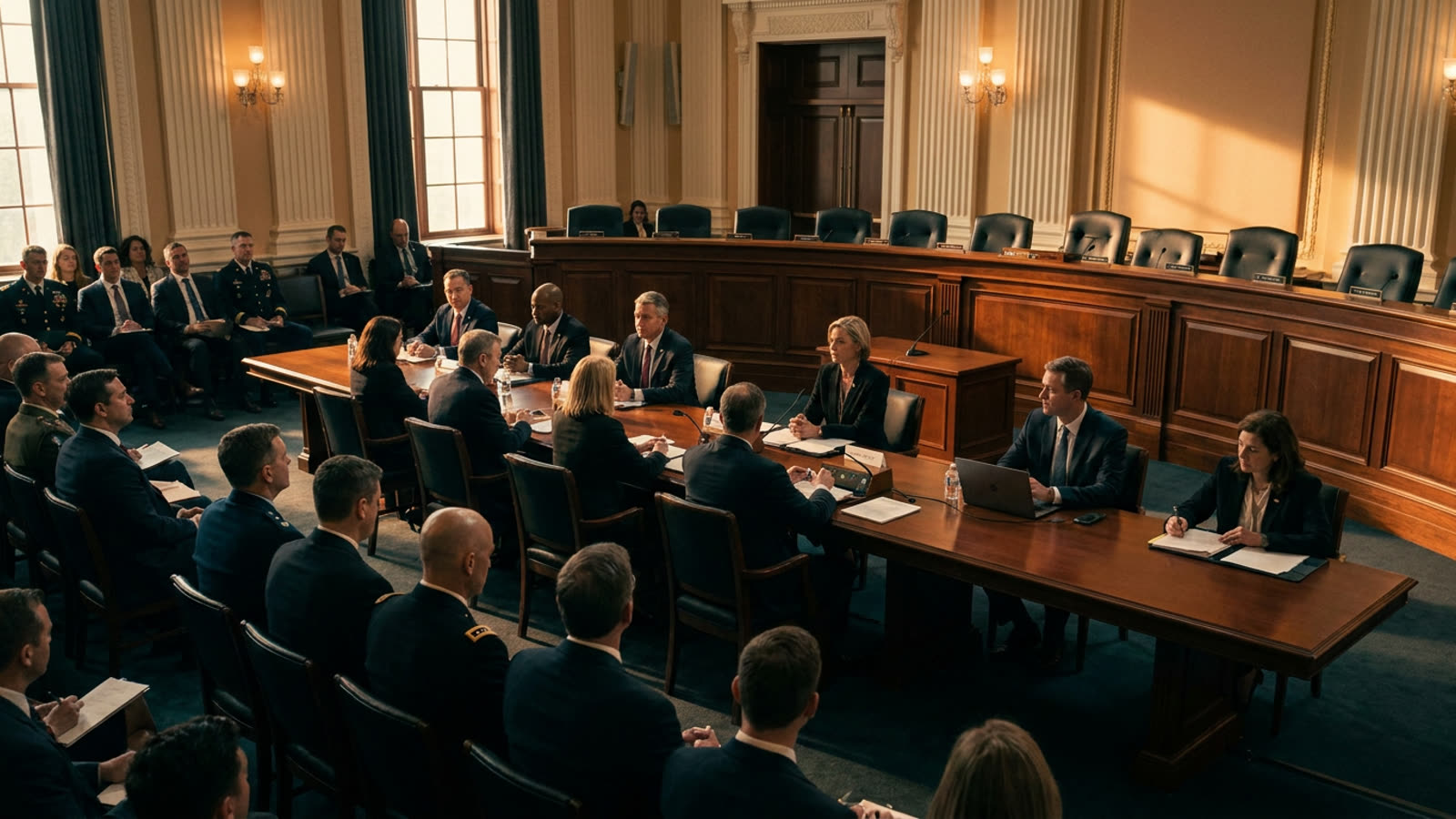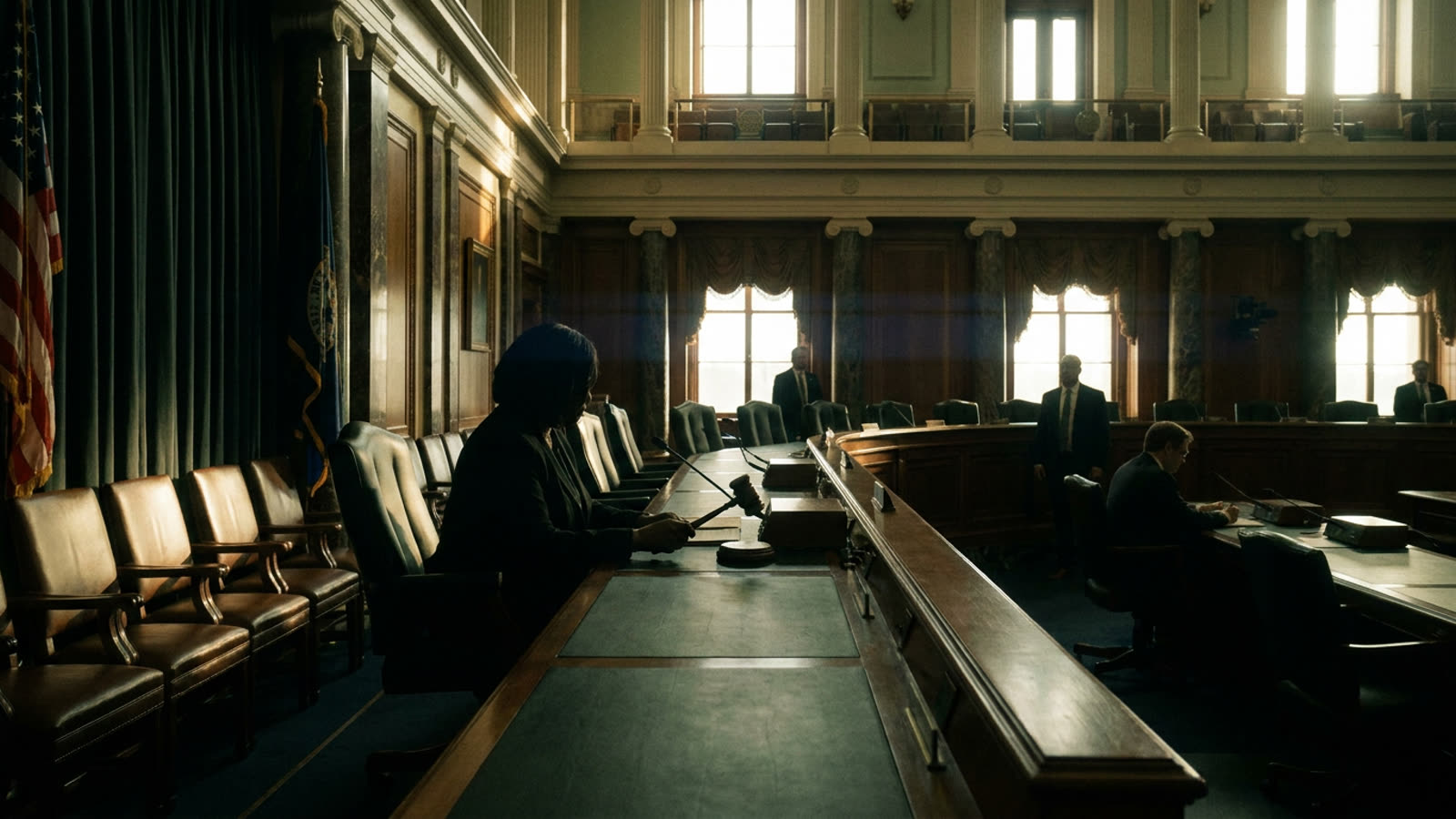
The Speaker of the United States House of Representatives is, on paper, a parliamentary officer tasked with maintaining order during floor debates. In practice, the role constitutes one of the most concentrated accumulations of power in American democracy — a position whose occupant can single-handedly determine whether legislation reaches a vote, which committees gain jurisdiction over transformative policy, and even which members receive desirable office space.
This gap between constitutional modesty and operational supremacy explains much of what confuses observers about American governance. Presidents propose; Speakers dispose.
The gatekeeping function
The Speaker's most consequential power is negative: the ability to prevent votes from occurring. Through control of the House floor schedule and the Rules Committee — which the Speaker effectively appoints — any bill can be indefinitely delayed regardless of its support among rank-and-file members. This "Hastert Rule," named for former Speaker Dennis Hastert, holds that legislation should not reach the floor unless it commands a majority of the majority party, meaning a bill supported by most House members can die if it lacks support within the Speaker's caucus alone.
The practical effect is profound. A Speaker hostile to immigration reform, climate legislation, or judicial appointments can ensure these issues never receive a vote, regardless of public polling or even bipartisan coalitions. The Senate's filibuster attracts more attention, but the Speaker's scheduling power is arguably more absolute.
The committee machinery
Beyond floor control, Speakers shape policy through committee assignments. Promising members receive seats on prestigious panels — Ways and Means, Appropriations, Armed Services — while dissidents find themselves relegated to backwaters. Committee chairs serve at the Speaker's pleasure, creating a patronage system that rewards loyalty and punishes independence.
This extends to investigative power. When the majority party wishes to scrutinize an executive branch agency or private sector practice, the Speaker determines which committee leads the inquiry, how aggressively subpoenas are issued, and whether findings receive prominent hearings or quiet reports. Oversight, ostensibly a constitutional check on executive power, becomes a tool of partisan strategy.
The institutional paradox
The Speaker's authority creates a curious vulnerability. Because the position requires majority support from House members, narrow margins transform the speakership into a hostage situation. Small factions can extract enormous concessions by threatening to withhold votes, as demonstrated repeatedly when slim majorities have produced chaotic speaker elections lasting multiple ballots.
This dynamic inverts the power relationship. A Speaker commanding a large majority can govern imperiously; one dependent on a handful of ideological purists must constantly negotiate, weakening the very authority that makes the position valuable.
Our take
The Speaker's role illuminates a broader truth about American institutions: formal constitutional design often matters less than accumulated procedural precedent. The founders imagined a deliberative body where legislation emerged from debate and compromise. What evolved instead is a system where one person's scheduling decisions can override the preferences of hundreds of elected representatives. Whether this represents efficient party government or democratic dysfunction depends largely on whether your preferred policies are being advanced or blocked. The machinery itself remains indifferent to such judgments, grinding forward under whoever holds the gavel.