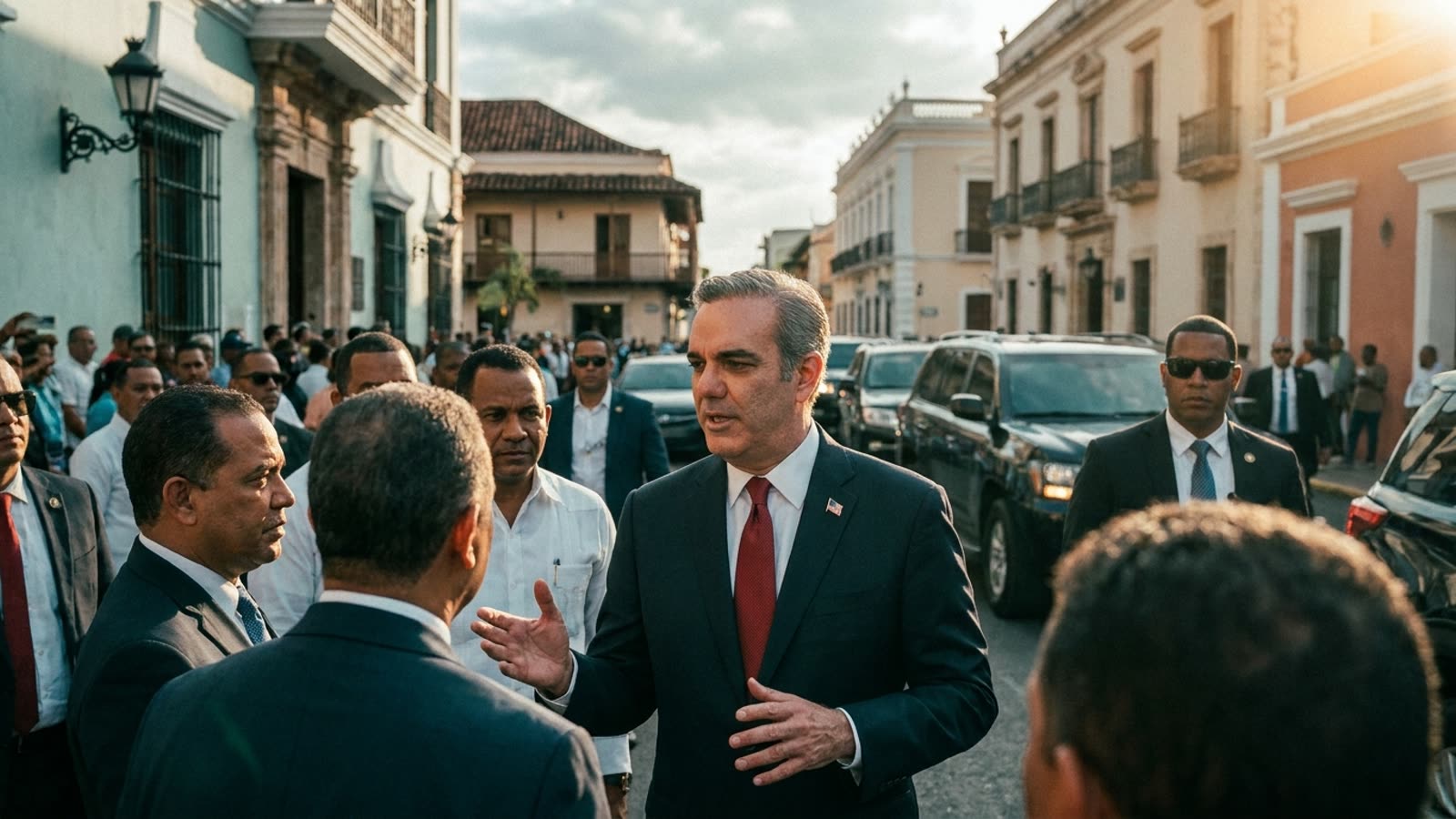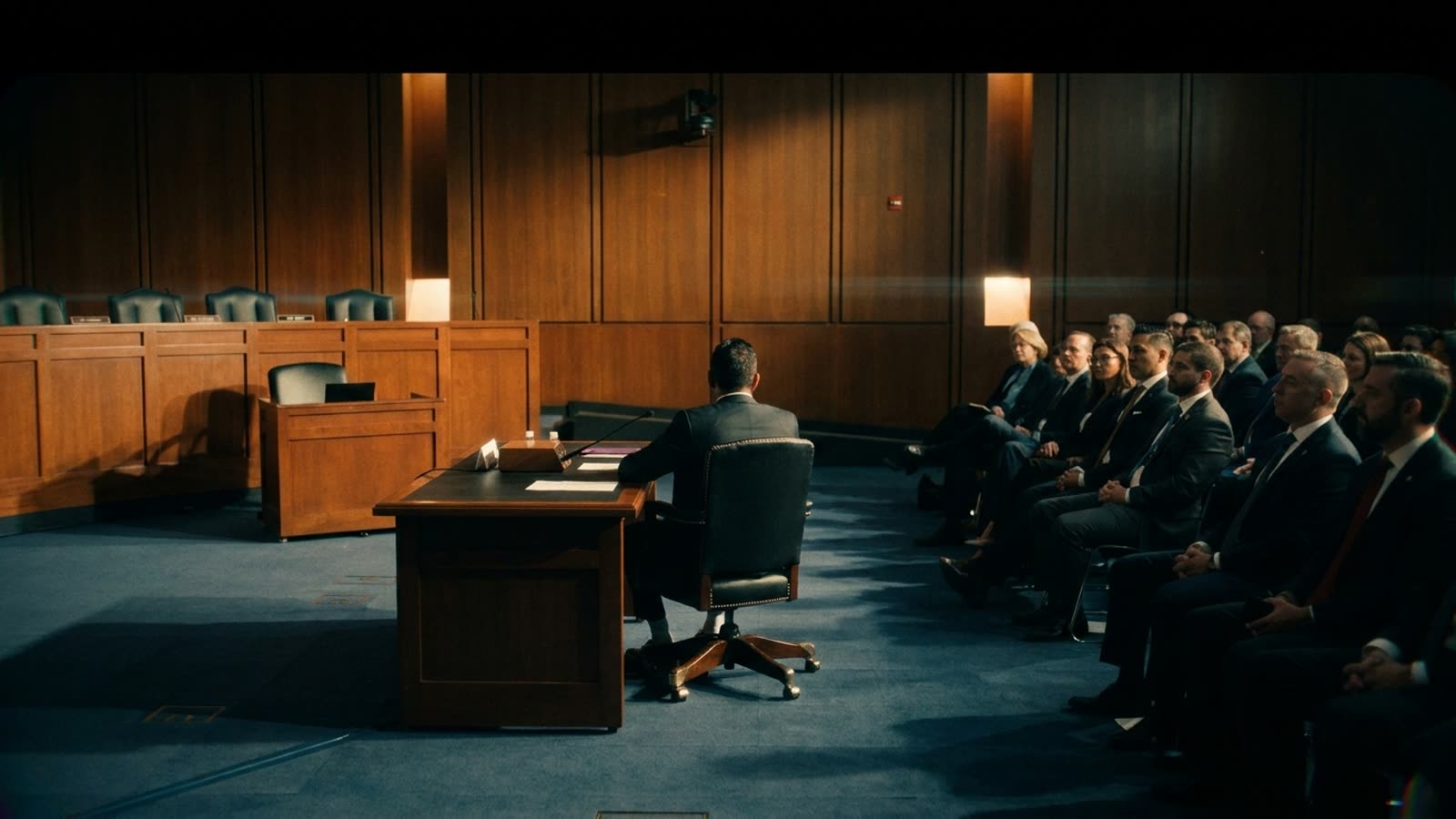
The United States maintains diplomatic relations with nearly 200 countries, yet at any given moment, a significant fraction of its ambassadorships sit empty—not because qualified nominees are unavailable, but because a single senator has whispered the word "hold." This peculiar Senate custom, nowhere codified in law or even formal chamber rules, has become one of the most potent yet least understood chokepoints in American foreign policy.
The hold is exactly what it sounds like: a senator privately notifies their party leader that they object to a nomination proceeding to a floor vote. The leader, by long-standing courtesy, honors that objection indefinitely. No public explanation is required. No vote is taken. The nominee simply languishes, and the embassy operates with a chargé d'affaires who lacks the authority and access that ambassadors command.
The Mechanics of Obstruction
Unlike the filibuster, which at least requires senators to make their opposition visible, holds operate in shadow. A senator might place a hold to extract concessions on an unrelated matter—a military base in their state, a regulatory decision affecting a donor, a policy grievance with the State Department. The nominee becomes a hostage in negotiations that have nothing to do with their qualifications or the country they would serve.
The practice emerged from the Senate's unanimous consent tradition, which allows business to proceed smoothly when no one objects. Holds exploit this courtesy by threatening to object, forcing leadership to either negotiate or consume precious floor time on cloture votes. With the Senate's calendar perpetually oversubscribed, leaders typically choose accommodation over confrontation.
The Diplomatic Toll
The consequences extend far beyond Washington procedural games. An ambassador is not merely a messenger; they are the president's personal representative, empowered to make commitments, cultivate relationships with heads of state, and coordinate American interests across military, economic, and intelligence domains. A chargé d'affaires, however capable, operates at a structural disadvantage—foreign governments know they are speaking to a placeholder.
During periods of heightened holds, the United States has gone years without confirmed ambassadors to major allies and strategic partners. Negotiations stall. Intelligence sharing suffers. American businesses seeking government-to-government support find no one home. Meanwhile, rival powers with more streamlined systems face no such self-inflicted handicaps.
Reform's Uphill Battle
Periodically, senators from both parties decry the hold system when their side controls the White House and suffers its effects. Yet reform efforts consistently fail, because every senator recognizes the hold as one of their few individual sources of leverage in an institution that otherwise submerges individual members beneath party leadership. Surrendering holds means surrendering power, and senators rarely volunteer for diminishment.
Some have proposed requiring holds to be disclosed publicly, reasoning that sunlight might discourage frivolous obstruction. Others suggest expedited procedures for ambassadorial nominees specifically, carving diplomacy out from the broader confirmation morass. Neither approach has gained sufficient traction.
Our take
The hold system represents the Senate at its most self-regarding—an institution so enamored with its own traditions that it will sacrifice national interests to preserve individual prerogatives. That a single senator can paralyze American diplomacy across an entire region, anonymously and indefinitely, is not a feature of deliberative democracy but a bug masquerading as custom. The founders designed the Senate to advise and consent on nominations, not to enable extortion by procedural hostage-taking. Until senators value effective governance over personal leverage, American embassies will continue operating with the diplomatic equivalent of substitute teachers.