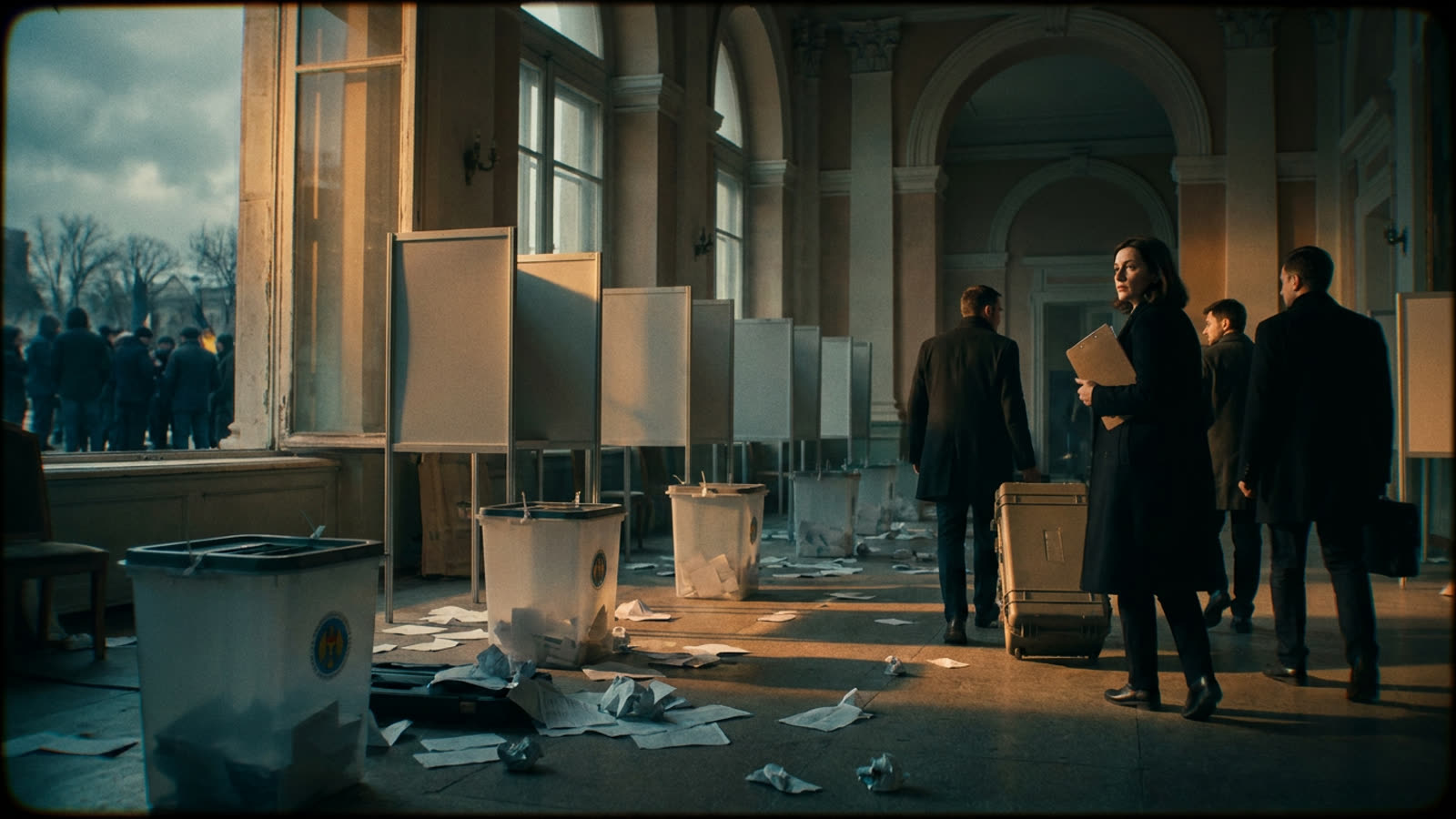
Election observation is one of democracy's stranger rituals: foreign nationals, often dozens of them, fan out across a sovereign country to watch citizens vote, then issue a verdict that can make or break a government's legitimacy. The practice has become so normalized that its fundamental oddity goes unremarked. A country invites outsiders to grade its most intimate civic act, then waits nervously for the report card.
The modern observation industry traces to the Cold War, when both superpowers sought to validate friendly regimes and delegitimize hostile ones. What began as ideological theatre evolved into something more institutionalized. Today, the OSCE's Office for Democratic Institutions and Human Rights deploys the largest missions, sometimes exceeding a thousand observers for a single election. The European Union, Carter Center, African Union, and Commonwealth each run parallel operations with overlapping but distinct methodologies.
The mechanics of watching
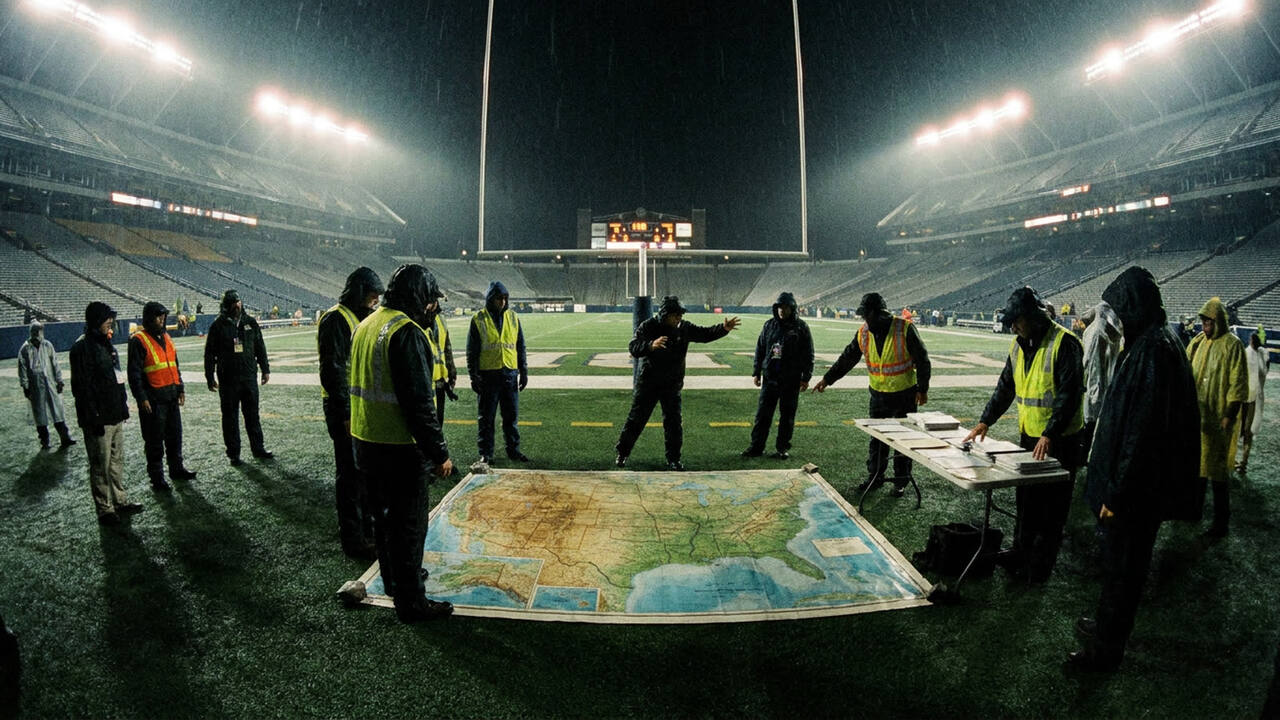
Observers do not simply show up on election day. A full mission begins months earlier with a "needs assessment" team that evaluates the legal framework, media environment, and campaign finance rules. Long-term observers arrive weeks before the vote, embedding in regions to track candidate registration, campaign violations, and voter intimidation. Short-term observers—the visible faces on polling day—are the final layer, deployed to a statistical sample of stations to witness opening, voting, counting, and tabulation.
The methodology is more social science than surveillance. Observers complete standardized forms tracking whether seals were intact, whether party agents were present, whether anyone was turned away. These data points aggregate into a preliminary statement released within forty-eight hours, followed by a comprehensive report months later. The preliminary statement is the one that shapes headlines and, often, street protests.
The limits of the clipboard
Observers possess no enforcement power. They cannot stop a stuffed ballot box or arrest a poll worker accepting bribes. Their authority is entirely reputational—a negative assessment can trigger donor sanctions, diplomatic isolation, or opposition mobilization. This soft power cuts both ways. Authoritarian regimes have learned to game the system, inviting friendly observer missions from regional bodies while restricting access for critical ones. Russia routinely hosts observers from the Shanghai Cooperation Organization, whose reports reliably praise electoral conduct that Western missions condemn.
The observation industry also faces a credibility paradox. Missions that consistently find fault risk being dismissed as biased; those that consistently approve risk being seen as captured. The most damaging critique is that observation has become performative—a box-checking exercise that legitimizes flawed elections simply by showing up.
Our take
Election observation works best as a catalyst, not a cure. It cannot manufacture democracy where none exists, but it can raise the cost of fraud for regimes that care about international standing. The real leverage comes not from the observers themselves but from what their reports enable: targeted sanctions, conditional aid, opposition coalitions emboldened by external validation. The strangers with clipboards matter less than the consequences their clipboards set in motion.