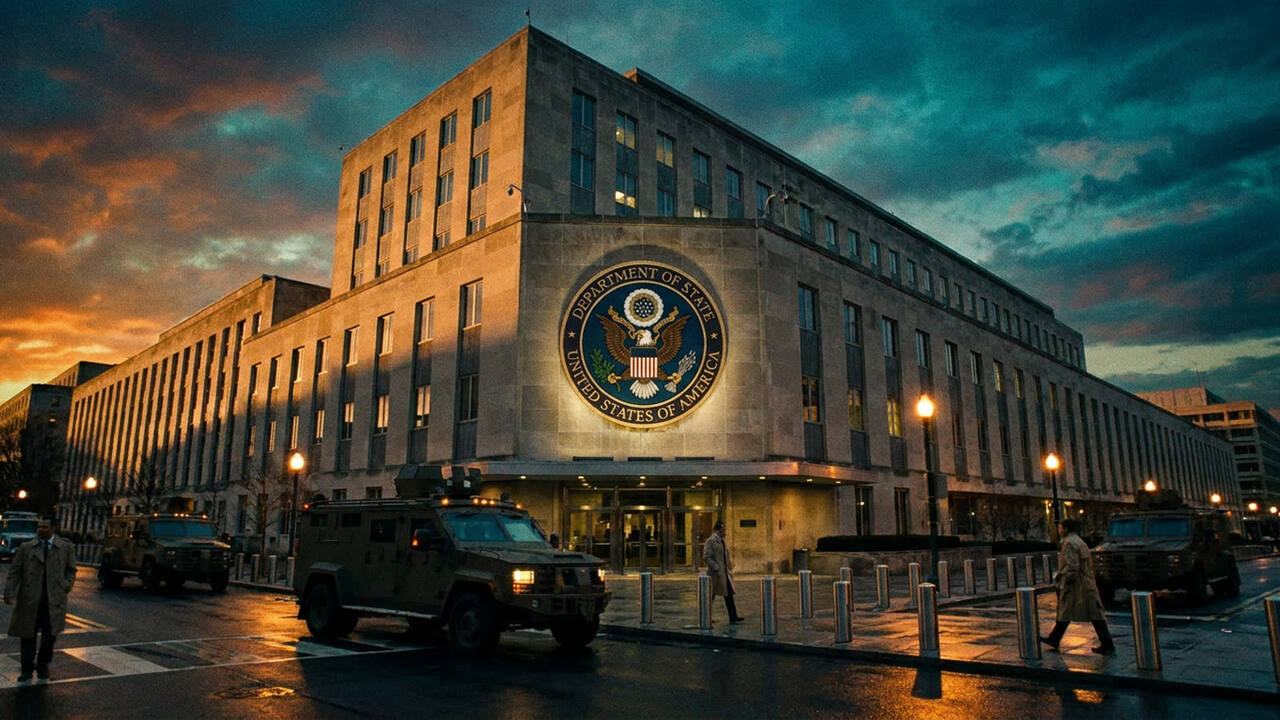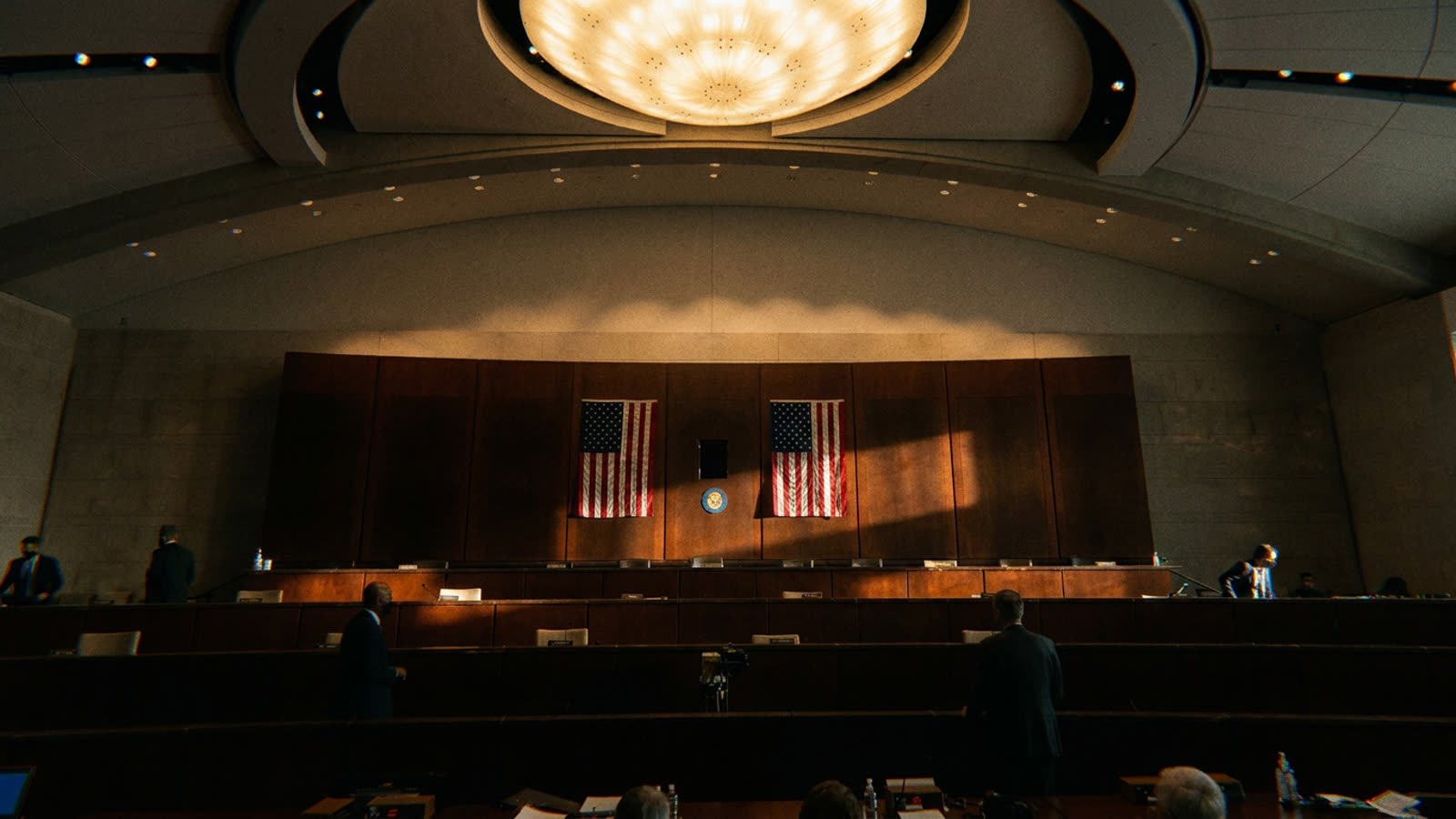
The United States Congress has precisely two committees authorized to know what the Central Intelligence Agency, National Security Agency, and other intelligence services are actually doing. In theory, the House Permanent Select Committee on Intelligence and the Senate Select Committee on Intelligence represent democratic accountability over the most powerful surveillance and covert-action apparatus in human history. In practice, they represent something more ambiguous: a system designed to create the appearance of oversight while ensuring that genuine confrontation remains rare.
The architecture of this arrangement is not accidental. It reflects decades of negotiation between branches of government that fundamentally distrust each other, and it produces a peculiar political species—the cleared legislator—whose relationship to secrecy permanently alters their incentives.
The Structural Trap
Intelligence committee members operate under constraints that would be unthinkable in any other congressional context. They cannot discuss classified briefings with colleagues, staff, or constituents. They cannot hire their own investigators with security clearances without agency cooperation. They cannot subpoena documents without risking a constitutional confrontation that courts have historically declined to resolve.
The committees receive briefings, but the intelligence community controls what gets briefed. A 1980 executive order requires notification of covert actions, yet the definition of what constitutes a covert action remains contested. The CIA has historically interpreted its obligations narrowly, informing the so-called Gang of Eight—the majority and minority leaders of both chambers plus the intelligence committee chairs and ranking members—rather than the full committees when operations are deemed especially sensitive.
This creates a peculiar dynamic. The most consequential programs receive the least scrutiny from the fewest people, who are then prohibited from seeking counsel or raising objections publicly.
The Psychology of Clearance
Something happens to legislators who receive top-secret briefings. They become invested in the system that trusts them with secrets. Former members have described the experience as seductive—the sense of being among the few who truly understand threats, the implicit flattery of being deemed responsible enough to know.
This psychological transformation serves the intelligence community well. Cleared members tend to defend agencies against criticism from uncleared colleagues, who can be dismissed as uninformed. The committees become advocates as much as overseers, fighting for budgets and authorities rather than imposing limits.
The rare moments of genuine confrontation—the Church Committee investigations of the 1970s, the torture report of the 2010s—required extraordinary political will and typically followed public scandals that made inaction untenable. Routine oversight produces routine deference.
The Information Asymmetry Problem
Even well-intentioned oversight faces a fundamental obstacle: the intelligence community knows vastly more than any committee ever can. Agencies have thousands of analysts and operators; committees have dozens of staff members, many of whom rotate through on short assignments.
When the NSA's bulk collection programs were revealed in 2013, several intelligence committee members claimed they had been briefed. Others said the briefings had been so general as to be meaningless. Both accounts were likely true. The agencies had technically complied with notification requirements while ensuring that the full scope of their activities remained obscure.
This asymmetry cannot be resolved without resources that Congress has consistently declined to provide. Genuine oversight would require a permanent, independent analytical capacity—something resembling the Congressional Budget Office but for intelligence. No serious proposal to create such a body has gained traction.
Our take
The intelligence committees exist to reassure the public that someone is watching the watchers. They perform this function adequately. Whether they actually constrain the intelligence community in meaningful ways is a different question, and the honest answer is: rarely, and only when external pressure makes constraint unavoidable. This is not a bug in the system. It is the system, designed by people who wanted oversight to exist without ever becoming inconvenient. The spies and the overseers have reached an equilibrium that serves both their interests. The public's interests are a secondary consideration.