The word sounds almost quaint, like something from a civics textbook gathering dust. But gerrymandering—the deliberate manipulation of electoral district boundaries to favor one party—remains the single most effective tool for entrenching political power in American democracy, and its practitioners have never been more skilled.
The term dates to 1812, when Massachusetts Governor Elbridge Gerry signed a redistricting bill that created a district so contorted it resembled a salamander. A Boston newspaper dubbed it a "Gerry-mander," and the portmanteau stuck. What the satirists of that era could not have anticipated was how the basic insight—that the shape of a district determines its outcome as surely as the votes cast within it—would become a billion-dollar industry backed by supercomputers and PhD statisticians.
The geometry of guaranteed outcomes
Gerrymandering operates through two complementary techniques. "Packing" concentrates opposition voters into a small number of districts they win overwhelmingly, wasting their surplus votes. "Cracking" disperses the remaining opposition voters across many districts where they fall just short of a majority. The result is a map where one party can win a commanding legislative majority while losing the statewide popular vote.
The mathematics are elegant in their cynicism. A party that wins 55 percent of a state's votes might, under a neutral map, expect roughly 55 percent of its legislative seats. Under a well-crafted gerrymander, that same vote share can translate to 70 percent of seats or more. The practice does not require fraud, intimidation, or even particularly controversial legal maneuvers. It requires only that the party in power after a decennial census controls the line-drawing process—and that it employs competent cartographers.
Why courts have struggled to intervene
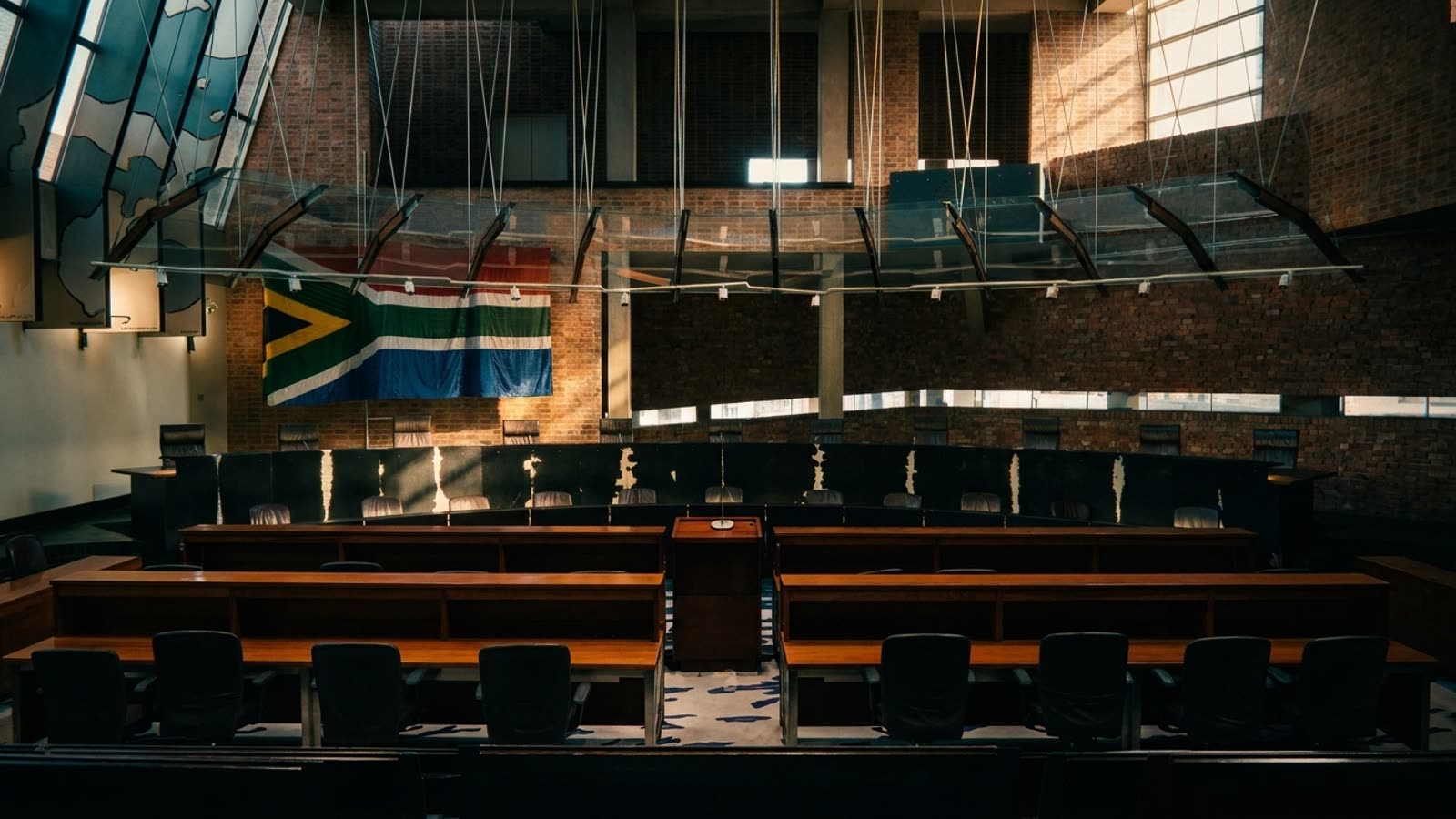
The Supreme Court has repeatedly acknowledged that partisan gerrymandering can be excessive, even unconstitutional in theory. Yet it has consistently declined to establish a workable standard for identifying when a map crosses the line. In a landmark ruling, the Court declared partisan gerrymandering claims to be "political questions" beyond the reach of federal courts, effectively returning the issue to state legislatures—the very bodies with the strongest incentive to gerrymander.
Some states have responded by establishing independent redistricting commissions, removing the process from legislative control entirely. Others have amended their constitutions to require competitive districts or proportional representation. But the majority of Americans still live in states where the party that wins the governorship and legislature in a census year gets to draw the maps for the following decade.
The technology arms race
Modern gerrymandering bears little resemblance to Elbridge Gerry's crude salamander. Today's mapmakers work with precinct-level voting data, consumer purchasing records, and demographic projections that allow them to predict electoral outcomes with startling precision. They can simulate millions of possible maps in hours, optimizing for partisan advantage while maintaining the appearance of geographic coherence.
The same technology, however, has enabled reformers to demonstrate just how extreme contemporary gerrymanders have become. Academic researchers can now generate thousands of neutral maps for any state and show how the enacted map compares—often revealing that the official boundaries produce outcomes more favorable to the ruling party than 99 percent of randomly drawn alternatives.
Our take
Gerrymandering persists not because Americans approve of it—polling consistently shows bipartisan opposition—but because the politicians who benefit from it are precisely the ones empowered to end it. This is the purest form of incumbent protection: a system designed by its beneficiaries to perpetuate itself. The occasional reform victory in a ballot initiative or state court ruling offers hope, but the fundamental dynamic remains unchanged. Until redistricting is removed from partisan control in most states, American elections will continue to be decided, in large part, before a single vote is cast.