Every democracy rests on a foundation most voters never see: the electoral commission. These bureaucratic bodies — variously called electoral boards, returning officers, or election authorities — wield extraordinary power over the mechanics of voting, yet they operate in deliberate obscurity, their work considered successful only when it generates no headlines.
The paradox is striking. In systems designed to let citizens choose their leaders, unelected officials make countless decisions that determine whether votes count, which candidates appear on ballots, and how districts are drawn. Understanding this machinery reveals why some democracies function smoothly while others descend into disputed chaos.
The quiet powers that shape elections
Electoral commissions typically perform three functions that sound administrative but carry profound political weight. First, they maintain voter rolls — deciding who is eligible, purging outdated registrations, and adjudicating disputes over identity and residence. Second, they administer the physical infrastructure of voting: polling locations, ballot design, counting procedures, and result certification. Third, in many countries, they draw or approve electoral boundaries, a process that can predetermine outcomes years before any campaign begins.
Each function presents opportunities for manipulation or error. A commission that aggressively purges voter rolls may disenfranchise legitimate voters; one that places too few polling stations in certain areas effectively suppresses turnout. Ballot design matters enormously — the infamous butterfly ballot in Florida's Palm Beach County during the 2000 US presidential election likely cost Al Gore thousands of votes through sheer confusion.
Independence as institutional design
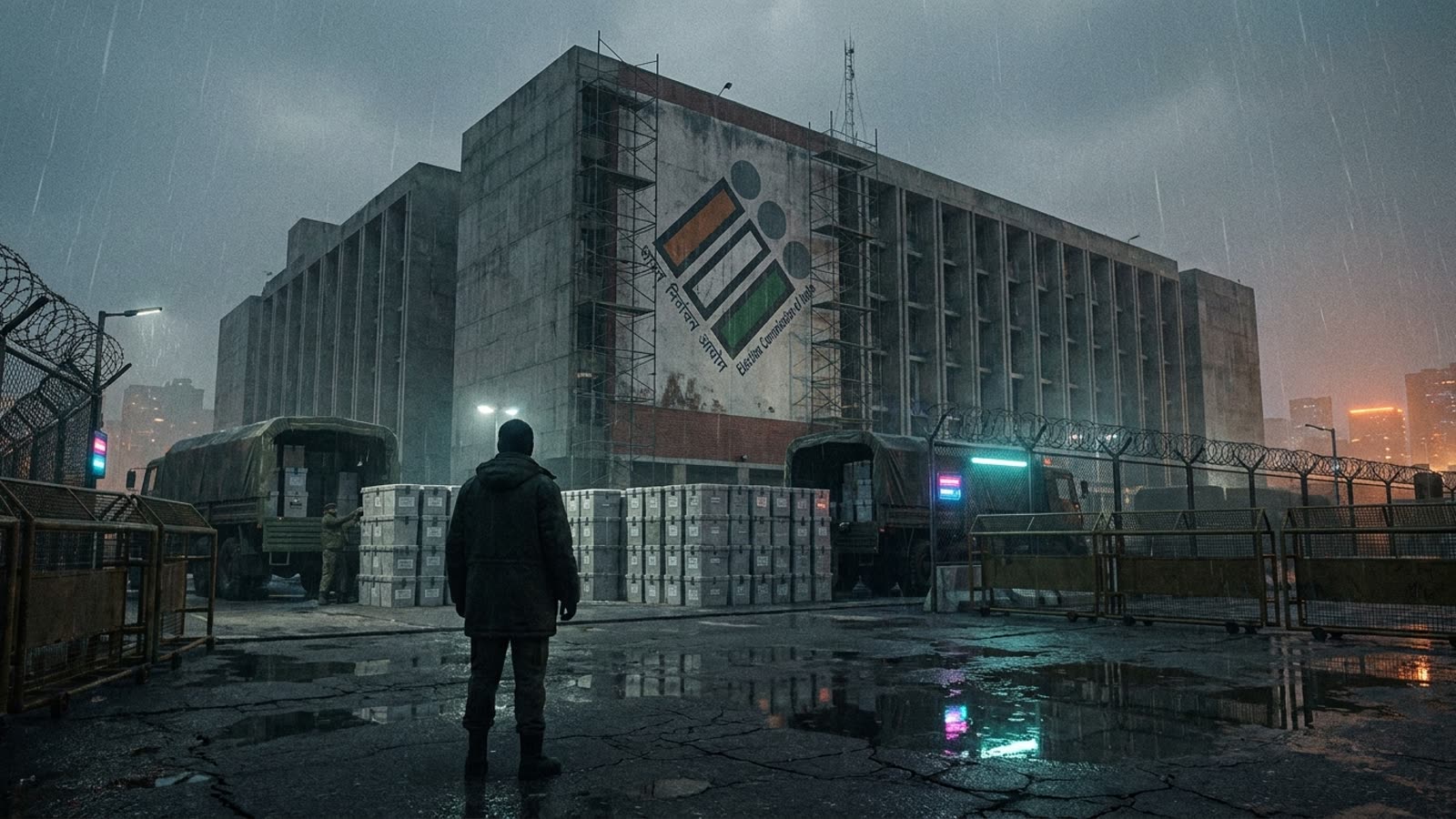
The critical variable is independence. Countries structure their electoral bodies along a spectrum. At one end sits the model pioneered by India's Election Commission, established in 1950 with constitutional autonomy and a single chief election commissioner (later expanded to three) who cannot be removed except through parliamentary impeachment. The commission controls its own budget, appoints its own staff, and has enforced voting rules against sitting prime ministers.
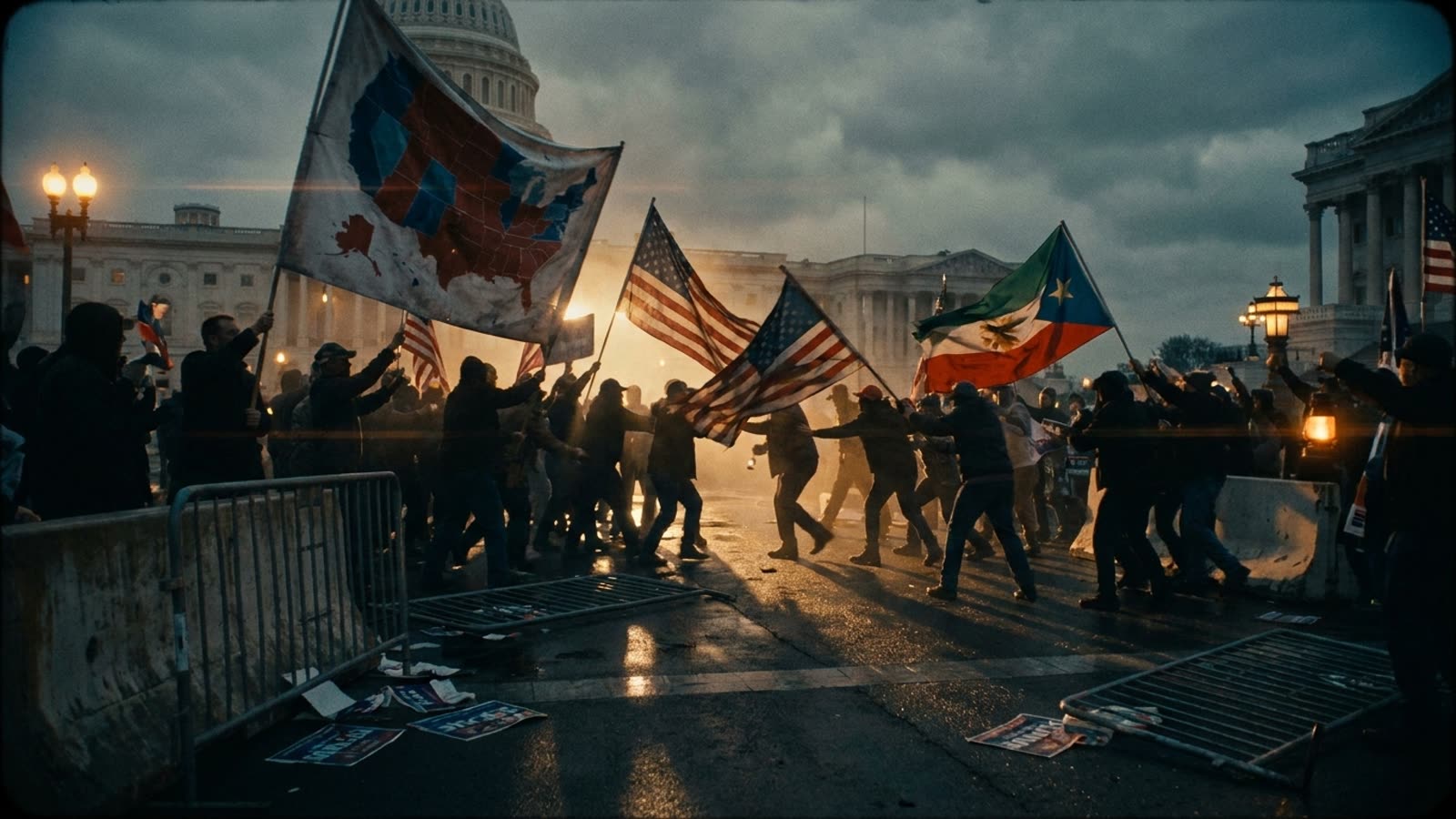
At the other end lies the American patchwork: more than eight thousand local jurisdictions administer federal elections, often overseen by partisan elected officials. A secretary of state who also chairs a candidate's campaign committee — as occurred in several US states — represents the opposite of independent administration.
Between these poles, most democracies have settled on multi-member commissions with balanced partisan representation, fixed terms, and varying degrees of budgetary autonomy. Germany's Federal Returning Officer operates with minimal staff and relies on volunteer counters, trusting institutional culture over elaborate safeguards. Mexico's National Electoral Institute, created after decades of one-party rule, employs thousands and operates with a budget exceeding half a billion dollars annually.
When the machinery breaks
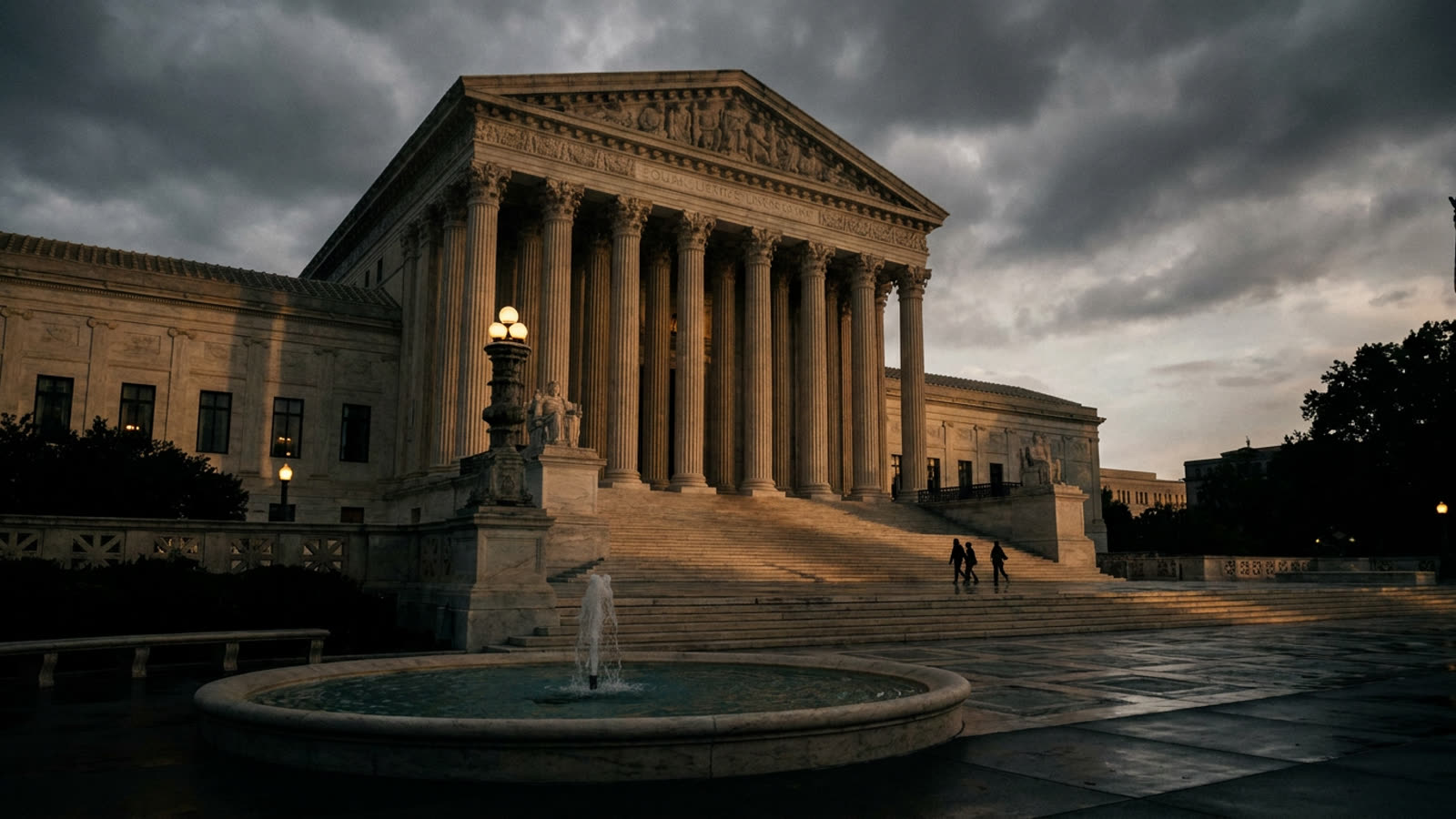
Electoral commissions become visible precisely when they fail or when their neutrality is questioned. Kenya's 2017 presidential election was annulled by the Supreme Court after the electoral commission's servers were allegedly compromised — the first time an African court had overturned a presidential result. The commission's chairman fled the country, citing threats.
More commonly, commissions face accusations of partisan bias that erode public trust regardless of actual conduct. Once citizens believe the referee is corrupt, the game's outcome becomes illegitimate in their eyes. This dynamic explains why authoritarian regimes often maintain elaborate electoral machinery: the appearance of process matters even when outcomes are predetermined.
Our take
The health of a democracy can be diagnosed by examining its electoral commission — not during an election, but in the quiet years between them. Does the body have genuine independence, or does it answer to whoever holds power? Are its decisions transparent and appealable? Does it command public trust across partisan lines? These questions matter more than constitutional poetry about popular sovereignty. The franchise means nothing if the machinery that translates votes into power is broken, captured, or simply incompetent. Citizens who ignore these institutions until election night are like passengers who only inspect the landing gear during descent.