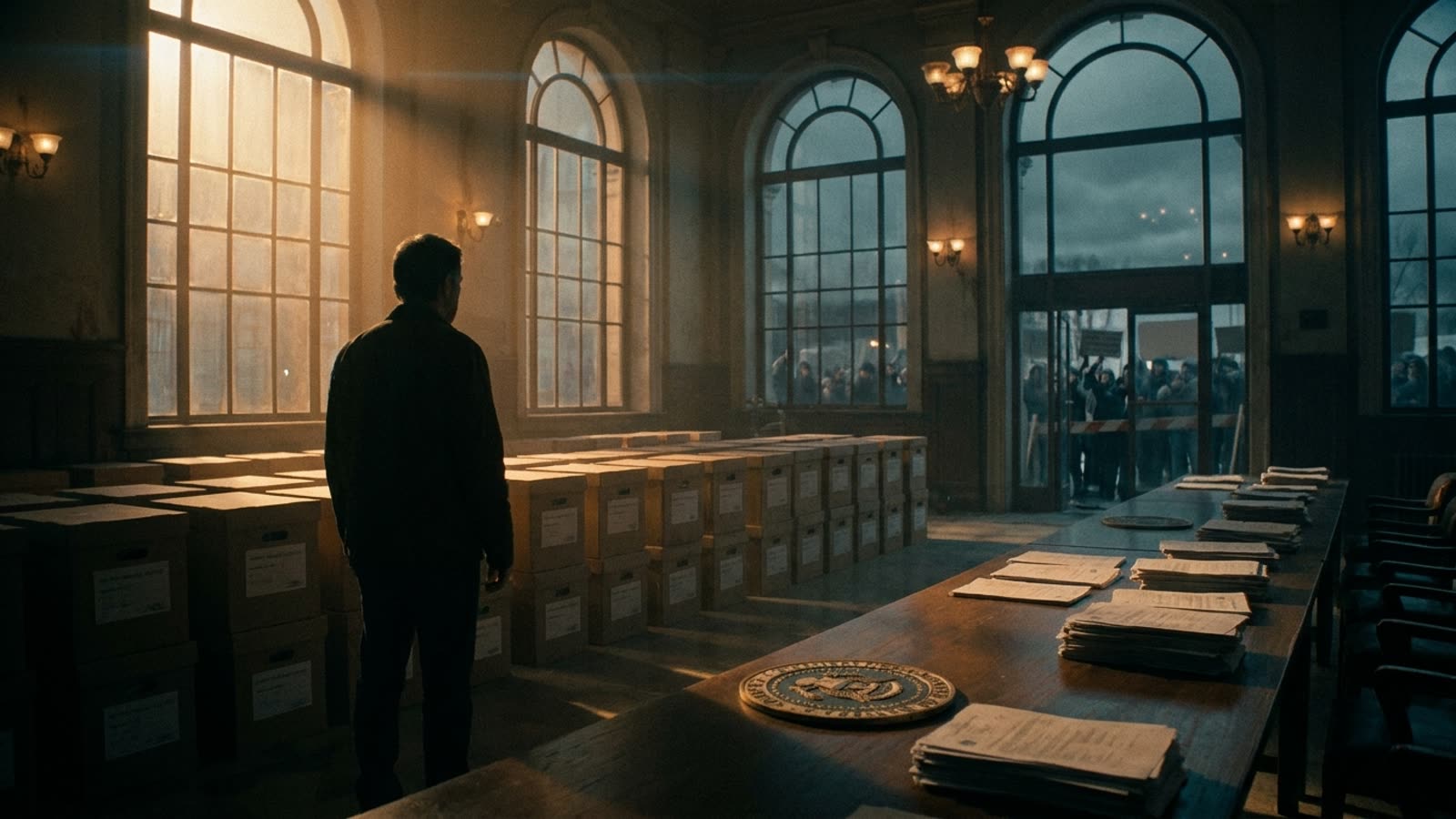
In the weeks after any close election, attention inevitably turns to a peculiar institution: the electoral commission. These bodies—called by different names in different countries, staffed by appointees most citizens have never heard of—possess the authority to validate or invalidate the expressed will of millions. They are, in effect, democracy's final editors, and their power is vastly underappreciated until something goes wrong.
The paradox is structural. Democratic legitimacy flows from the consent of the governed, yet the machinery that converts votes into certified outcomes operates largely outside democratic accountability. Electoral commissioners are typically appointed, not elected. Their decisions are often final, or nearly so. And the rules they interpret—on ballot design, voter eligibility, count procedures, and dispute resolution—can determine outcomes as surely as the votes themselves.
The spectrum of independence
Electoral commissions exist on a wide spectrum of autonomy. At one end sit bodies like India's Election Commission, a constitutional authority with sweeping powers to enforce a code of conduct, postpone polls, and disqualify candidates. At the other end, the United States has no single federal electoral authority at all; administration is fragmented across thousands of county and state officials, many of them elected partisans. Between these poles lie hybrid models: the United Kingdom's Electoral Commission regulates campaign finance but has no role in running elections, which fall to local returning officers.
The design choices matter enormously. Countries that vest significant power in a single, insulated commission tend to produce cleaner transitions of power—but also concentrate risk. A compromised or captured commission can become an instrument of authoritarian consolidation, as critics have alleged in Zimbabwe and Belarus. Decentralized systems diffuse that risk but create coordination failures and uneven standards, as American elections routinely demonstrate.
The invisible discretion
What most observers miss is how much discretion these bodies exercise in ordinary times, not just crises. Consider ballot design: the order of candidates, the clarity of instructions, the handling of spoiled ballots. Research consistently shows that small design choices affect outcomes, particularly in close races. Commissioners make these calls, usually without public debate.
Then there is the question of voter rolls. Who is eligible, who has been purged, and by what process? These determinations are administrative, not legislative, and they are made by electoral officials operating under broad statutory mandates. The same is true for polling place locations, early voting rules, and the handling of provisional ballots. Each decision is a small lever; collectively, they shape the electorate itself.
When commissions fail
The most visible failures occur when commissions cannot or will not certify results. Kenya's Supreme Court annulled the 2017 presidential election after finding the electoral commission had failed to transmit results transparently—a rare judicial rebuke of an entire electoral apparatus. In the United States, the decentralized system means that certification disputes play out county by county, sometimes with local officials refusing to sign off on results they personally doubt. The absence of a single authoritative body creates vacuums that courts, legislatures, and mobs have all attempted to fill.
Yet even successful commissions operate in a legitimacy deficit. Their authority depends on public trust, but their work is technical and opaque. When trust erodes—whether through genuine malfeasance or manufactured conspiracy—the commission becomes a target rather than a referee.
Our take
Electoral commissions are the unglamorous heart of democratic infrastructure, and most democracies have underinvested in explaining them to their own citizens. The result is a dangerous asymmetry: these bodies wield real power, but their legitimacy rests on a foundation of public ignorance that crumbles the moment anyone bothers to attack it. The fix is not necessarily more independence or less, but more visibility—annual reports, public hearings, civic education that treats election administration as seriously as election results. Democracy's plumbing deserves better than neglect.