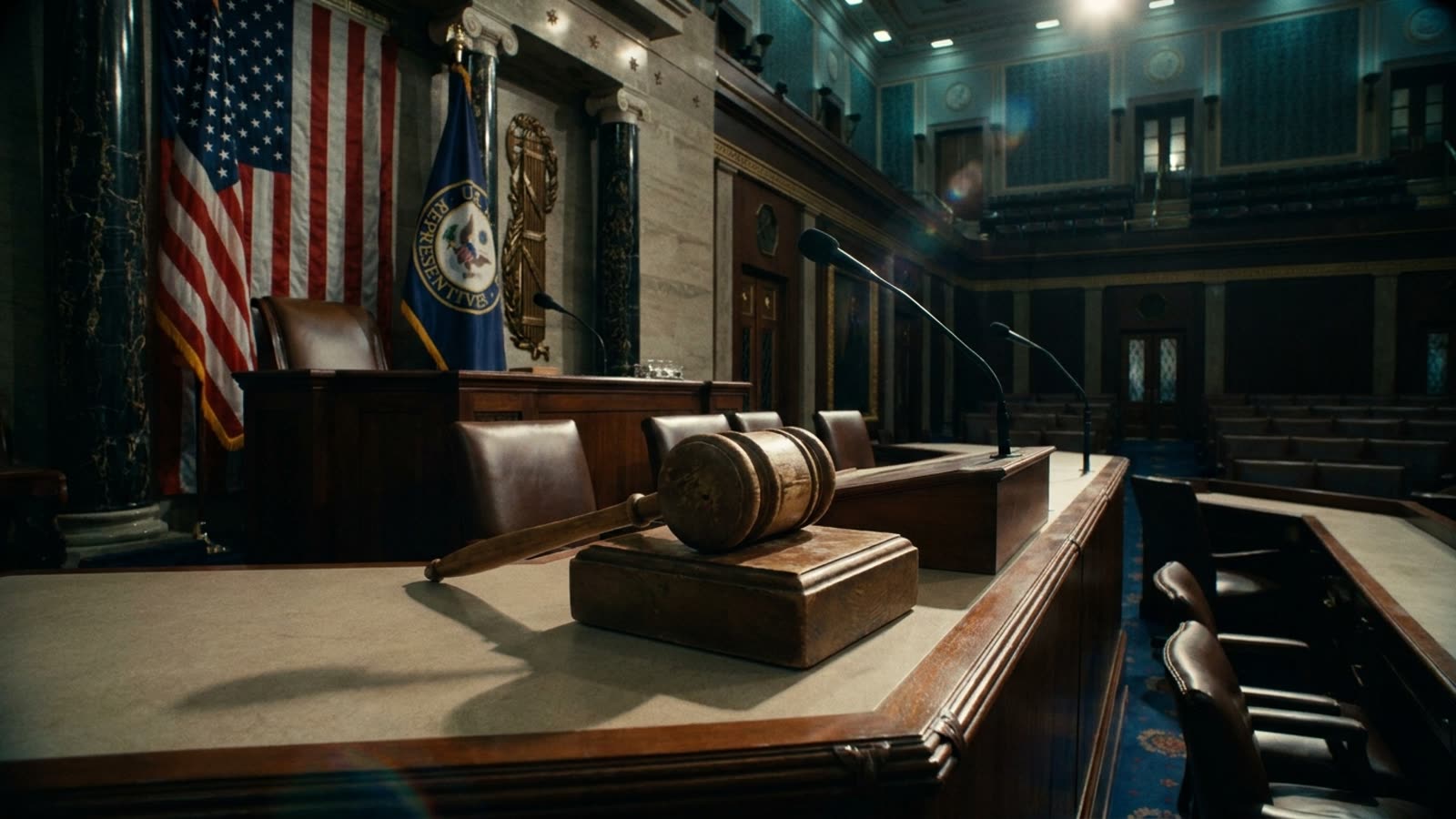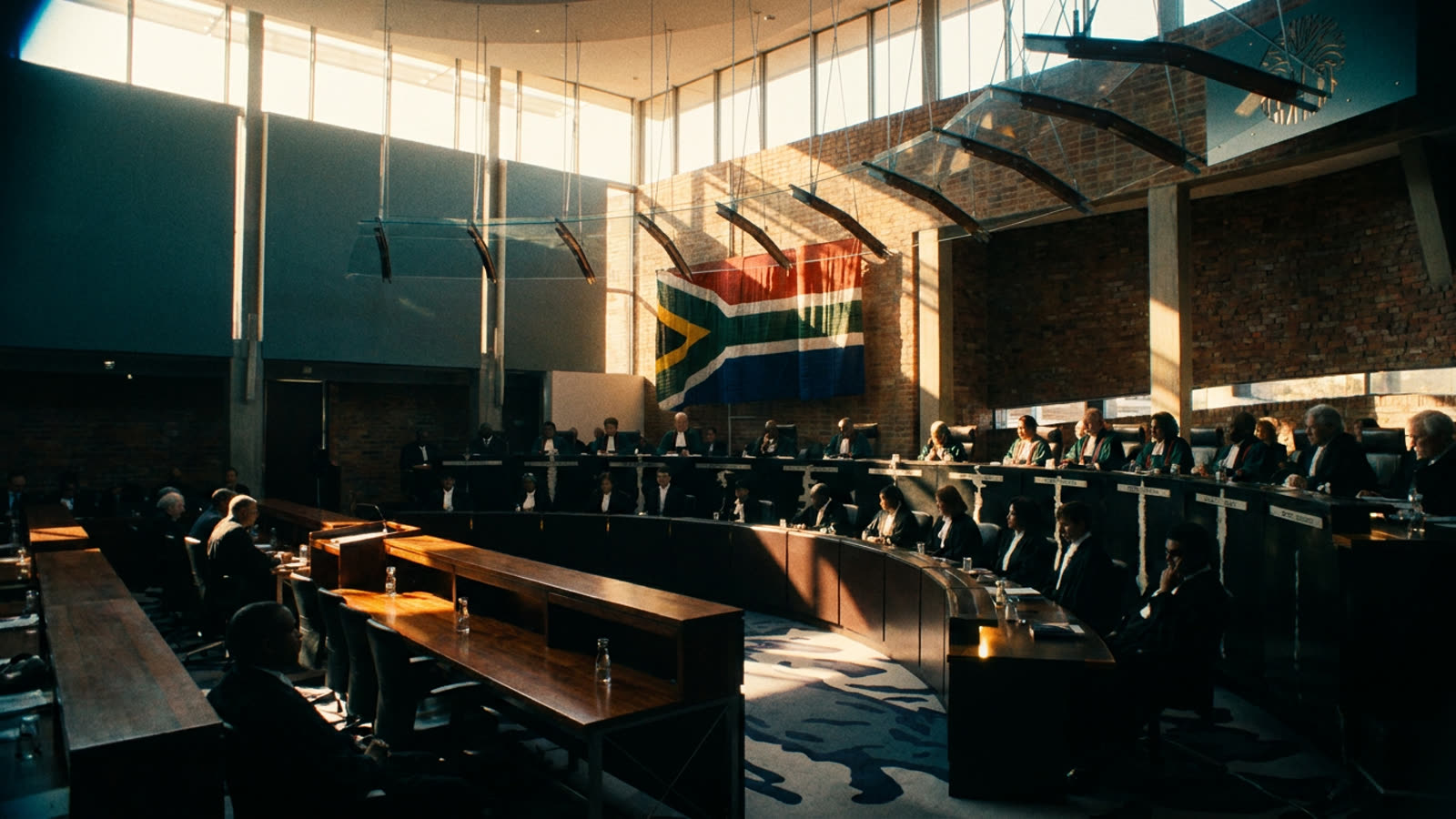
The fiction that constitutional courts operate outside politics is one of democracy's most useful lies. Judges in robes, speaking in precedent and principle, appear to channel something higher than the grubby compromises of legislatures. Yet the power to declare a law unconstitutional — to override the elected branches with a few signatures — is among the most consequential political acts any government can perform. The fight over who wields that power, and how, has become the defining institutional battle of democratic governance worldwide.
This is not a bug in constitutional design. It is the feature.
The counter-majoritarian difficulty
Alexander Bickel, the Yale legal scholar, gave this tension its enduring name in 1962: the counter-majoritarian difficulty. When unelected judges strike down laws passed by elected representatives, they frustrate majority will. Defenders argue this is precisely the point — constitutional rights exist to protect minorities from majorities. Critics counter that judges are not oracles of justice but people with ideologies, and judicial review simply moves political decisions to a less accountable venue.
Every constitutional democracy has grappled with this problem differently. The United States grants its Supreme Court justices lifetime tenure, insulating them from electoral pressure but creating generational stakes in each appointment. Germany's Federal Constitutional Court uses staggered twelve-year terms and requires supermajority legislative approval, forcing consensus across parties. France's Constitutional Council was long considered weak until it began asserting itself in the 1970s. The variations are endless, but the underlying dynamic is universal: whoever controls constitutional interpretation controls the boundaries of permissible politics.
The appointment wars
Because constitutional courts can reshape society — on abortion, on voting rights, on executive power, on the definition of marriage — the process of selecting judges has become intensely politicized in nearly every democracy that matters. In the United States, Supreme Court confirmation hearings have evolved from collegial affairs into partisan combat. In Poland and Hungary, governing parties have moved to pack courts or circumvent their rulings entirely, drawing condemnation from the European Union. In Israel, proposals to limit the Supreme Court's power triggered the largest protests in the country's history.
The pattern is consistent: when a court issues rulings that a political faction finds intolerable, that faction seeks to change the court. This is not corruption of the system. It is the system working as designed — the branches checking each other, sometimes brutally. The question is whether the checks remain within accepted rules or whether they break the constitutional order itself.
Why legitimacy is fragile
Constitutional courts possess no armies and control no budgets. Their authority rests entirely on the belief that their rulings must be obeyed. This legitimacy is surprisingly durable — even unpopular decisions are usually implemented — but it is not indestructible. When a court is perceived as merely an extension of one party, or when its reasoning becomes transparently results-oriented, compliance becomes voluntary rather than obligatory. The court becomes another political actor, and political actors can be defied.
The most successful constitutional courts maintain legitimacy by occasionally ruling against their apparent allies, by grounding decisions in recognizable legal reasoning even when outcomes are contested, and by avoiding the appearance of naked partisanship. None of this makes them apolitical. It makes them politically sophisticated.
Our take
The honest position is that constitutional courts are political institutions performing a political function under legal cover. This is not cynicism; it is realism. The robes and the Latin phrases and the invocations of founding documents are theater — useful theater, because they encourage losers to accept defeat, but theater nonetheless. The struggle over courts will continue because the stakes are real. The best we can hope for is that the struggle remains bounded by rules both sides accept, even when they lose. When that consensus breaks, so does constitutional government.