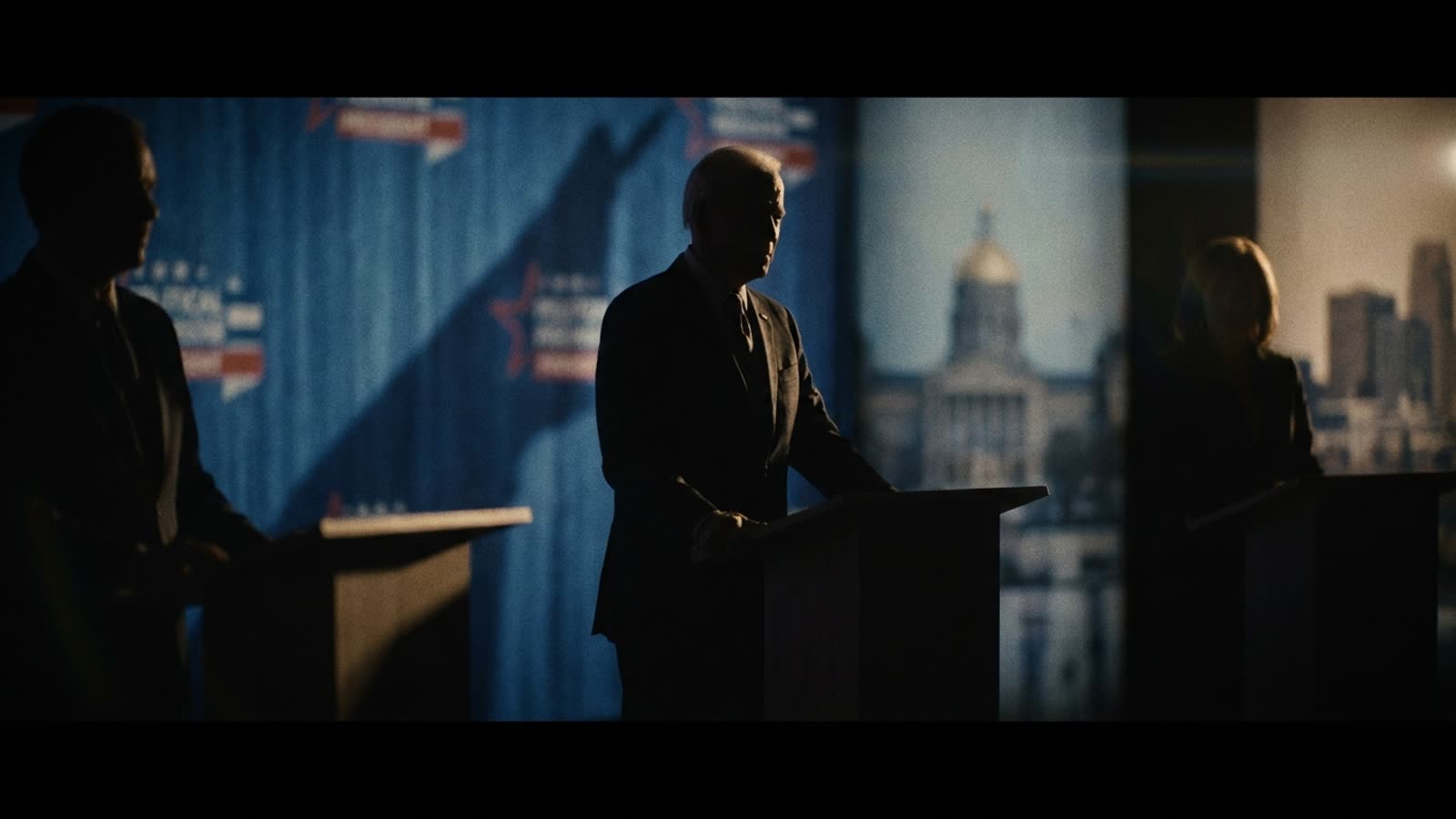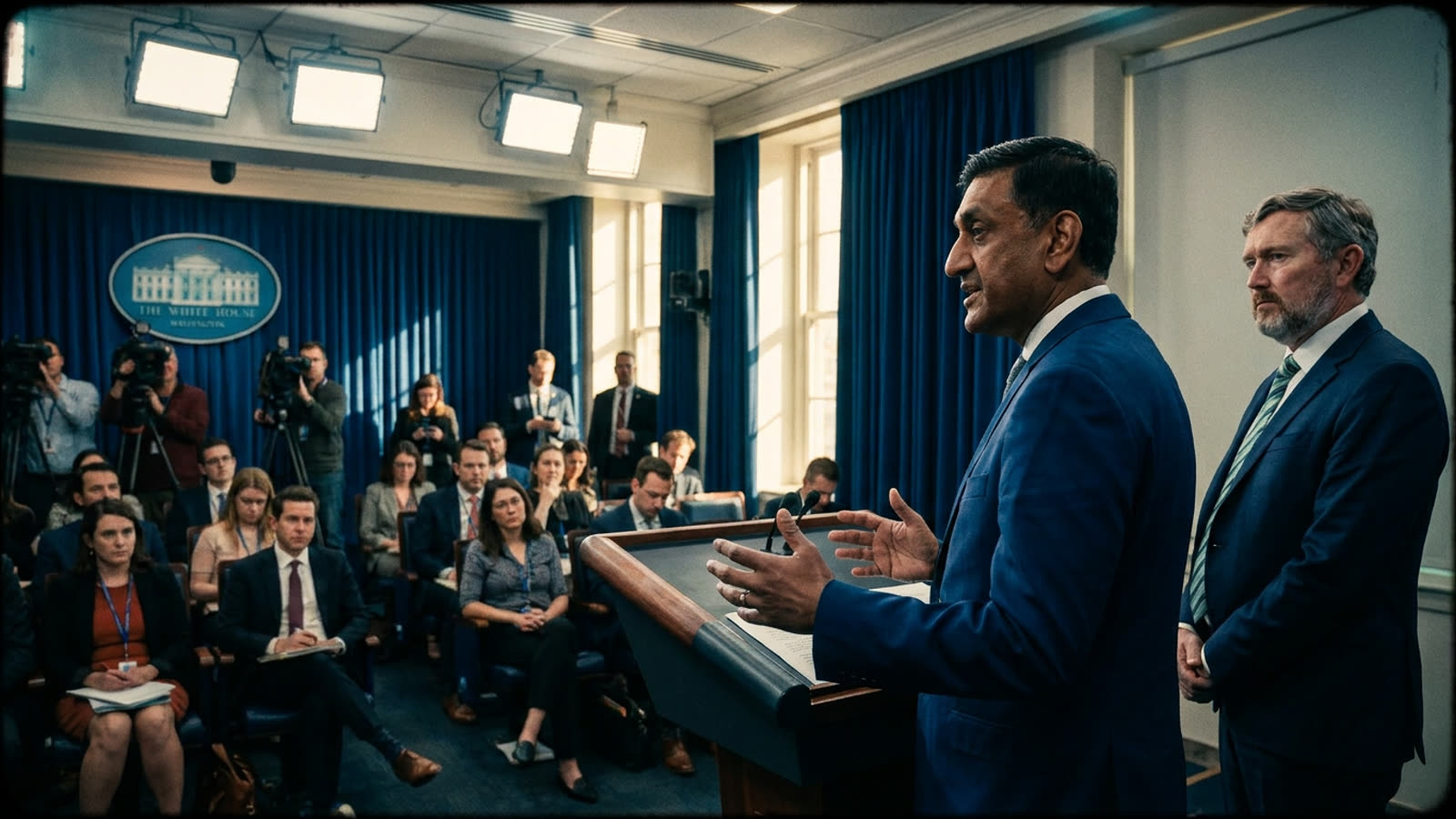
The procedural runway has run out. After weeks of parliamentary maneuvering, the House of Representatives will vote on a resolution directing the president to withdraw American forces from combat operations in Iran—a vote that will force every member of Congress to take a position on the most consequential military engagement since Iraq.
The timing could not be more fraught. Fresh exchanges of military strikes between US and Iranian forces have strained an already fragile ceasefire, Kuwait's airport has come under attack, and the Strait of Hormuz remains a flashpoint where miscalculation could trigger catastrophic escalation. Against this backdrop, the resolution represents Congress's first genuine attempt to reassert its constitutional war powers since hostilities began.
The constitutional stakes
The resolution invokes the War Powers Act of 1973, which requires congressional authorization for sustained military operations. The administration has operated under a theory of executive authority that critics across the political spectrum have called dangerously expansive. A successful vote would not immediately end the conflict—presidents have historically contested such resolutions—but it would create a constitutional crisis that even a sympathetic Supreme Court would struggle to ignore.
What makes this vote different from previous war powers skirmishes is the body count. The Iran conflict has already produced American casualties in numbers not seen since the height of the Afghanistan engagement, while Iranian civilian deaths have drawn condemnation from human rights organizations worldwide. Members who vote to continue operations will own those numbers in perpetuity.
The political calculus
The whip count remains genuinely uncertain. A coalition of progressive Democrats and libertarian-leaning Republicans has pushed the resolution to the floor, but leadership in both parties has sent mixed signals. Defense hawks warn that withdrawal would embolden Tehran and abandon regional allies. Skeptics counter that the conflict has no clear objectives, no exit strategy, and no authorization beyond executive fiat.
Vulnerable members face an impossible choice. In swing districts, voters are exhausted by overseas entanglements but wary of appearing weak on national security. The vote will provide opposition researchers with ammunition regardless of which button members press. Several have reportedly sought procedural excuses to be absent—a cowardice that speaks volumes about the political toxicity of the issue.
Our take
This is what Congress is for. Not the performative hearings, not the social media posturing, but the fundamental question of whether the republic goes to war. For decades, legislators have been content to let presidents wage conflicts while preserving their own deniability. The Iran vote strips away that comfort. Whatever the outcome, Americans will finally know where their representatives stand on a war being fought in their name. That clarity alone is worth the discomfort it will cause.