The celebrity posterior has completed its journey from tabloid humiliation to personal branding asset, and the transformation tells us everything about how power flows in contemporary fame.
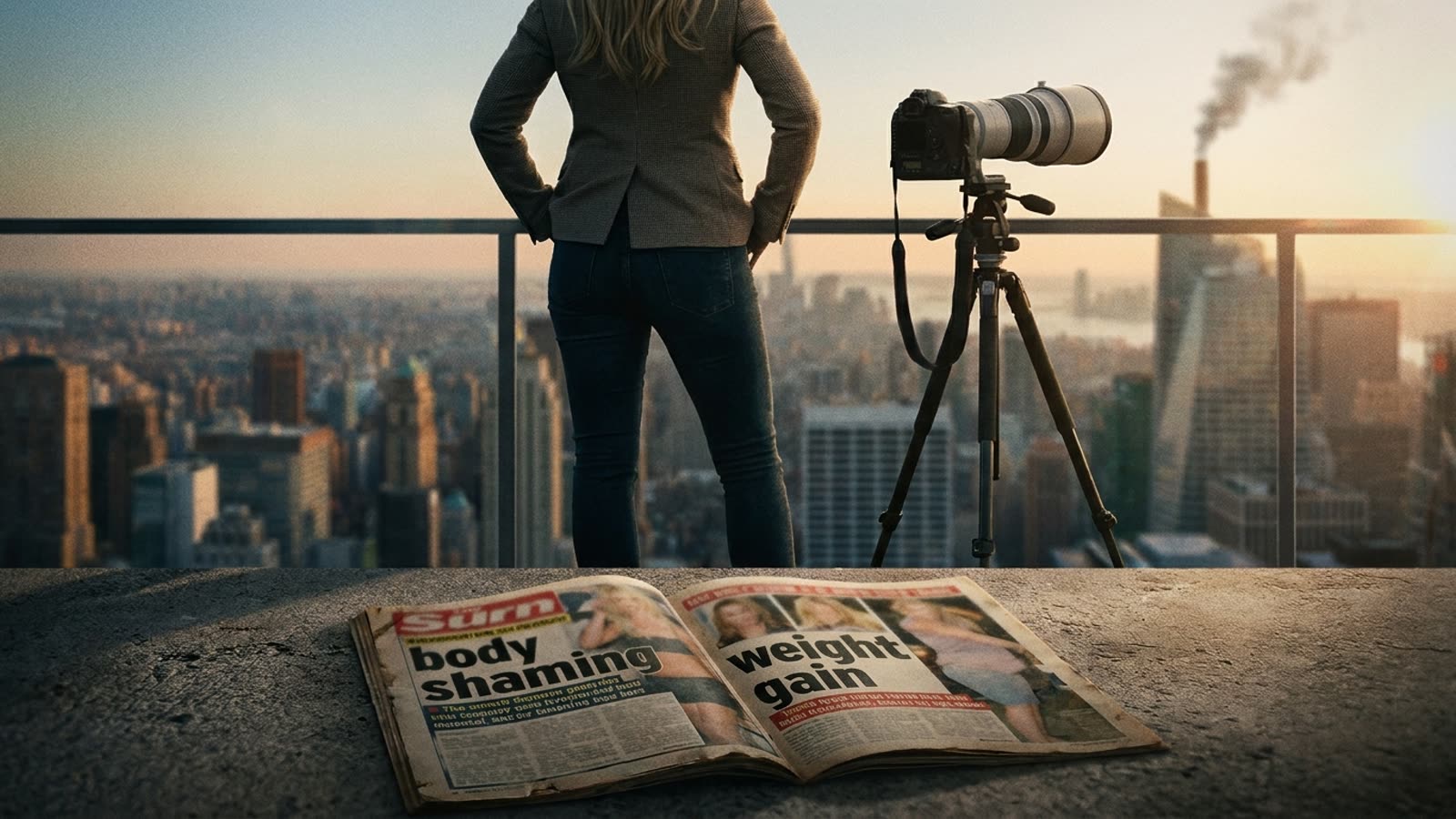
Two decades ago, a paparazzi shot of a star's backside in an unflattering bikini was weaponized content—fuel for body-shaming headlines and cruel speculation about weight fluctuations. The subject had no control. The photographer owned the moment. The publication owned the narrative.
Now scroll through any entertainment outlet's "guess the celebrity butt" feature and you'll find something fundamentally different: professionally lit images, often sourced from the star's own social media, presented as celebration rather than gotcha journalism. The power dynamic has inverted entirely.
The Instagram effect
This shift didn't happen by accident. When celebrities gained direct-to-audience channels, they could pre-empt unflattering paparazzi shots with their own curated versions. Why let a long-lens photographer catch you at a bad angle when you can post your own beach photo first? The result is a kind of détente: tabloids now often license images that celebrities themselves have approved, creating a symbiotic relationship that would have been unthinkable in the US Weekly era.
The aesthetic has changed accordingly. Where tabloid butt shots once emphasized cellulite and "flaws," today's iterations lean toward the aspirational—fitness achievements, fashion moments, body confidence as personal brand. The gaze has shifted from predatory to participatory.
Who benefits from the new rules
The obvious winners are celebrities with the resources and teams to control their image. A Kardashian can turn a bikini shot into a SKIMS marketing moment. An athlete can showcase training results. A model can demonstrate range.
But the democratization cuts both ways. Smaller influencers and reality stars now play the same game, flooding the zone with so much self-published content that paparazzi shots lose their scarcity value. When everyone is their own publicist, the ambush photo becomes less valuable.
The losers, paradoxically, might be authenticity and privacy. The curated butt shot is still a performance, just one with different choreography. And the expectation that celebrities will participate in their own objectification—enthusiastically, constantly—creates its own pressures.
Our take
There's something both liberating and exhausting about watching tabloid culture absorb body positivity's language while maintaining its fundamental interest in ranking and rating human bodies. The celebrity butt feature hasn't disappeared; it's just been rebranded as empowerment. Progress, perhaps, but also proof that the attention economy finds a way to monetize every cultural shift. At least now the subjects get a cut.