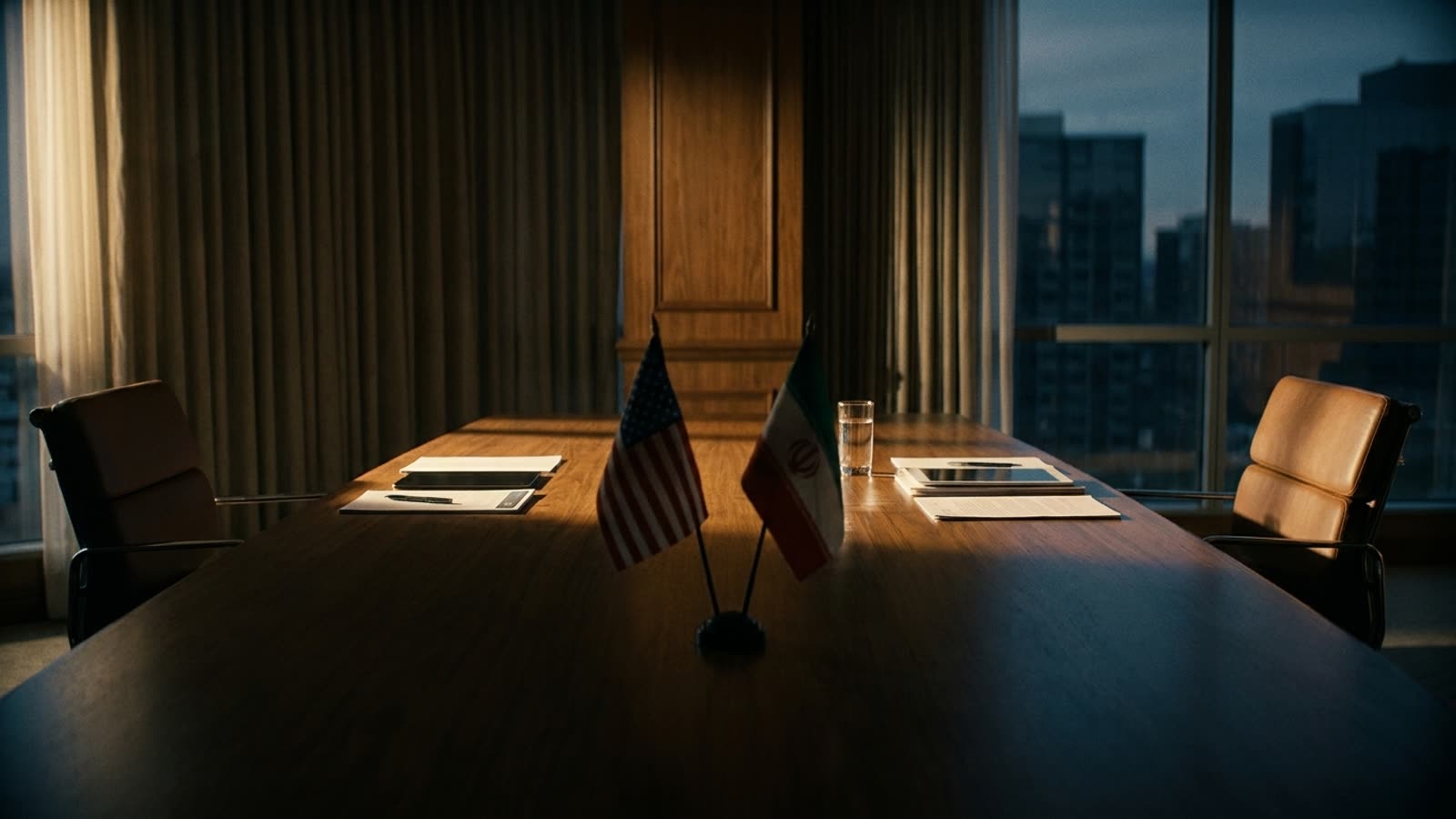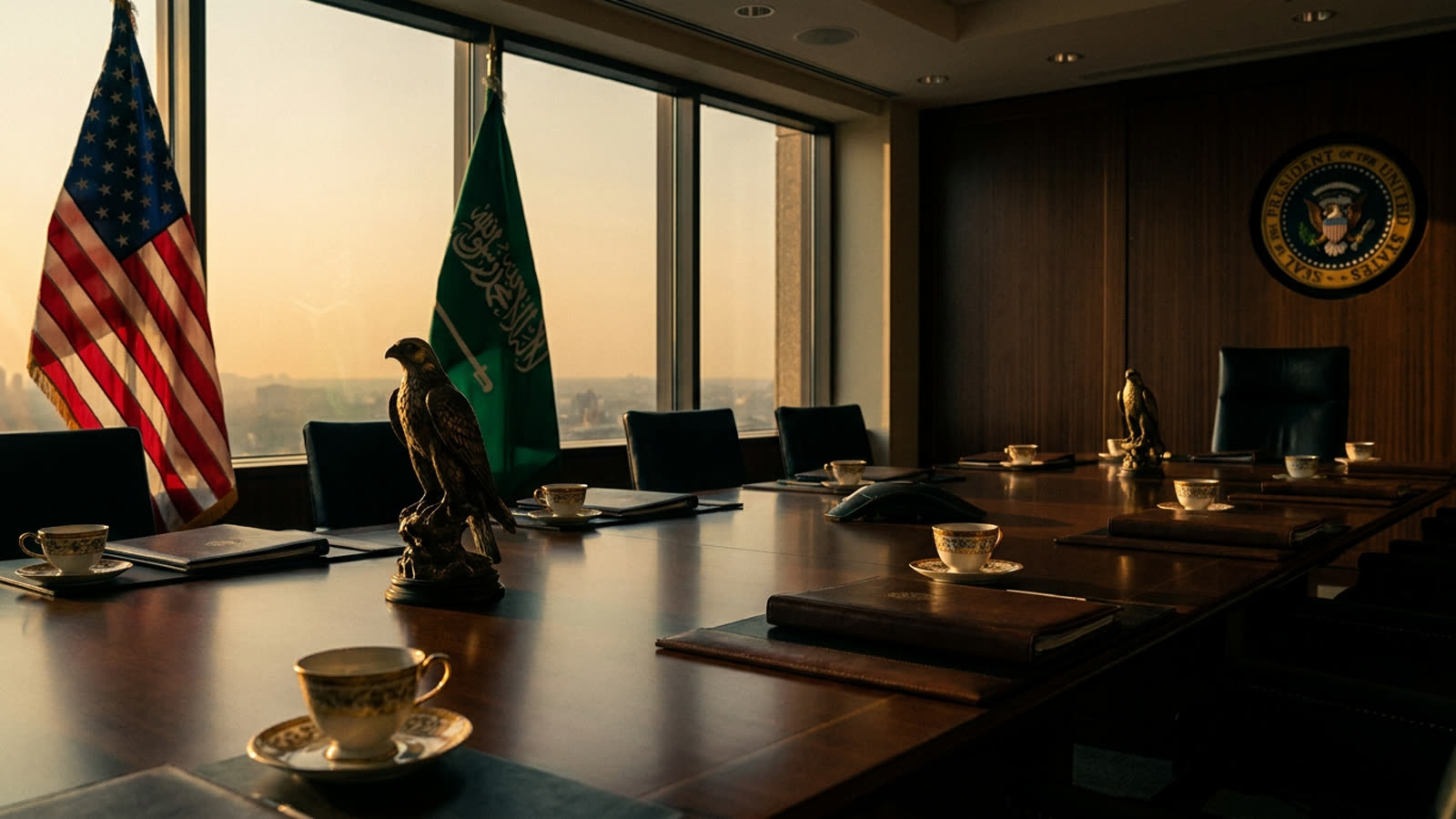
The diplomatic architecture of the Middle East has quietly inverted. Gulf leaders—long the most hawkish voices urging American confrontation with Iran—are now actively encouraging President Trump to accept Tehran's proposal for renewed negotiations, according to multiple reports of recent communications between Riyadh, Abu Dhabi, and Washington.
This is not the regional posture anyone anticipated when Trump returned to office promising to finish what his first administration started. The Abraham Accords signatories were supposed to form a unified front against Iranian expansionism. Instead, they're counseling restraint.
The calculus has changed
The Gulf states' pivot reflects cold commercial logic more than any warming toward Tehran. Saudi Arabia's Vision 2030 economic transformation requires stability; the UAE's position as a global logistics and finance hub depends on predictable shipping lanes. Both nations watched the Houthi disruptions to Red Sea commerce with alarm, and neither relishes the prospect of their gleaming cities becoming targets in a wider regional conflagration.
Mohammed bin Salman has reportedly communicated directly with Trump, emphasizing that a negotiated settlement—even an imperfect one—serves American interests better than military escalation. The crown prince's argument, per sources familiar with the exchanges, centers on the economic costs of prolonged regional instability and the limited strategic gains from strikes that would likely harden Iranian resolve without eliminating its nuclear program.
Trump's uncomfortable position
The president finds himself squeezed between competing pressures. His base expects the strongman who walked away from the JCPOA and ordered the Soleimani strike. His Gulf partners—whose sovereign wealth funds have invested heavily in American assets and whose arms purchases he has championed—want de-escalation. And his own administration appears divided, with some advisors favoring continued pressure while others see an opportunity to claim a diplomatic victory before the midterms.
Trump has historically been susceptible to the counsel of leaders who flatter him and offer transactional benefits. The Gulf monarchies understand this dynamic intimately. Their current lobbying effort reportedly includes discussions of expanded investment in American infrastructure and energy projects—sweeteners designed to make acceptance more palatable.
Our take
There is something almost poetic about Trump—the self-styled master dealmaker who tore up Obama's Iran agreement—being maneuvered toward the negotiating table by the very allies who once cheered his maximum pressure campaign. The Gulf states have learned that American presidents come and go, but geography is permanent. They will live with whatever Iran emerges from this moment; Washington's hawks will not. That the Saudis and Emiratis now prioritize stability over confrontation suggests they've calculated that Iran's proposal, whatever its flaws, offers a better path than the alternative. Whether Trump reaches the same conclusion will depend on which voice he hears last.