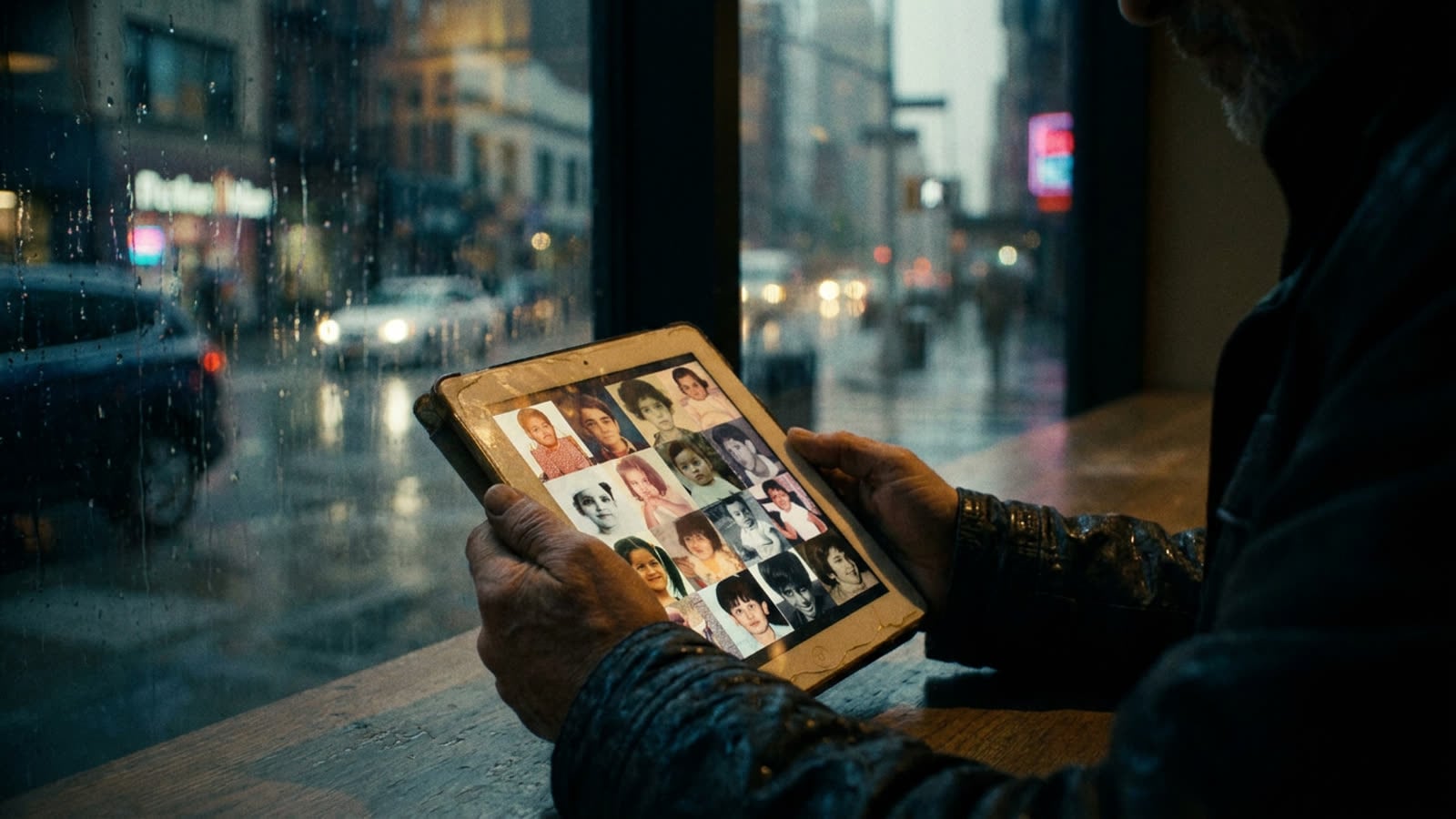
The premise is almost insultingly simple: a photograph of a child, a caption asking readers to identify the adult they became, and an engagement rate that would make a political campaign weep with envy. The celebrity childhood photo reveal — a format so elementary it barely qualifies as content — has nonetheless become one of the internet's most durable attention machines.
The latest iteration features yet another adorable youngster destined for fame, presented with the breathless urgency of breaking news. It is not breaking news. It is barely news at all. And yet here we are, clicking.
The psychology of the parasocial peek
What makes these posts so persistently effective is their offer of false intimacy. A childhood photograph feels like access — a glimpse behind the velvet rope into a time before stylists, before handlers, before the carefully constructed persona. Never mind that these images are typically supplied by publicists as part of a calculated media strategy. The illusion of authenticity is the product.
There's also the gamification element. Readers aren't passive consumers; they're participants, invited to demonstrate their celebrity knowledge like contestants on a quiz show nobody asked for. Correct identification delivers a small dopamine hit. Incorrect guesses provide the pleasure of surprise. Either outcome keeps you scrolling.
The format's curious immortality
By any reasonable measure, this content template should have exhausted itself years ago. It requires no reporting, no insight, no craft. It is the editorial equivalent of a participation trophy. And yet it persists across platforms, publications, and demographics with the tenacity of a cockroach surviving nuclear winter.
The reason is brutally simple: it converts. In an attention economy where every outlet is competing for the same finite resource — your eyeballs — the childhood photo reveal offers an unbeatable ratio of production cost to engagement. One archival image, one teasing caption, millions of clicks. The economics are irresistible.
Our take
There's something almost admirable about the format's shamelessness. It doesn't pretend to be journalism or even entertainment in any meaningful sense. It's pure engagement bait, stripped of pretense, asking nothing of the reader except a moment's curiosity and rewarding them with the hollow satisfaction of recognition. That it continues to thrive says less about the outlets publishing it than about us — endlessly hungry for any scrap of connection to people we'll never meet, even if that scrap is just a faded photograph of someone else's kindergarten picture day.