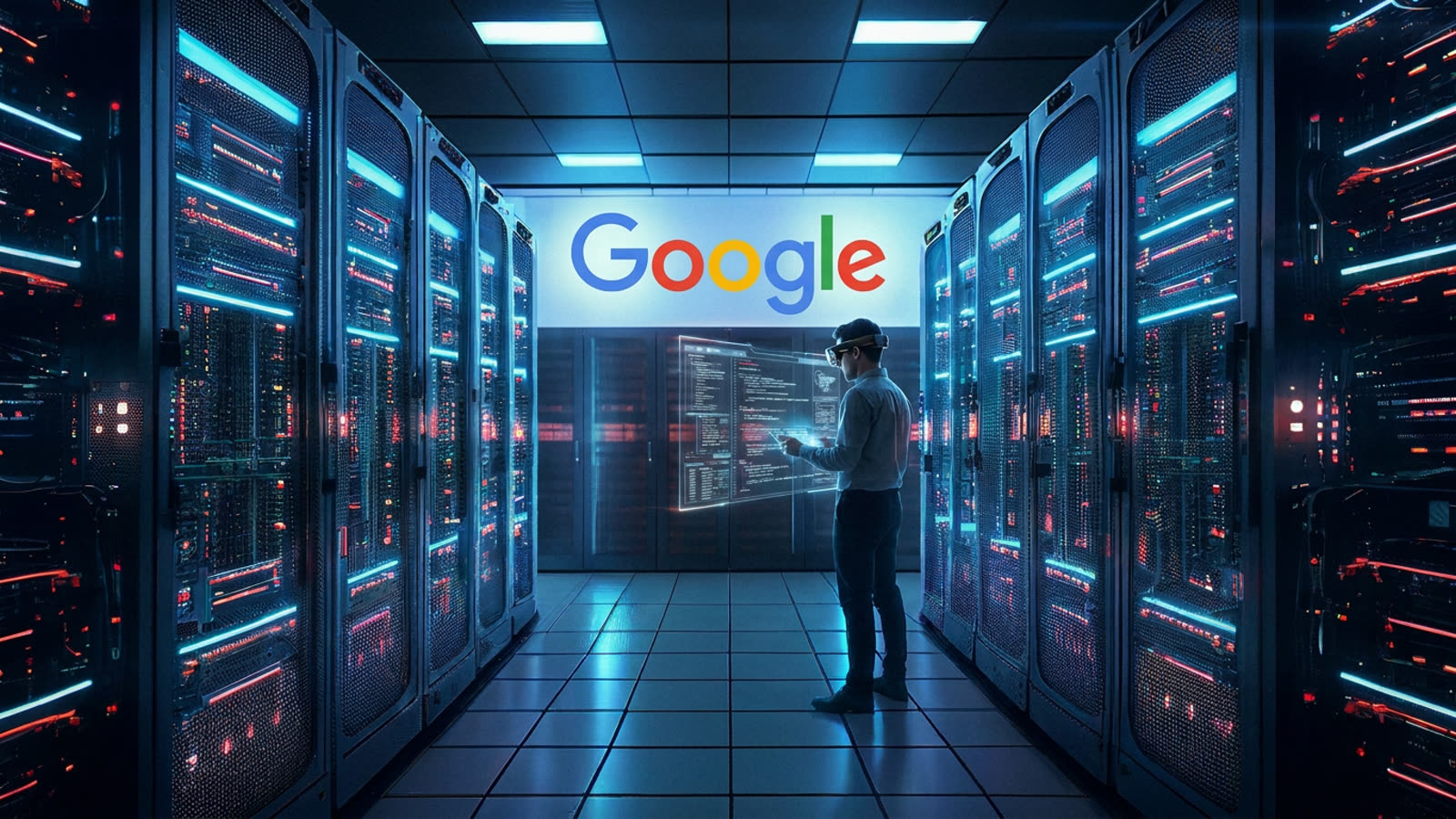
Google has spent a decade trying to make smart glasses happen, and the latest prototype suggests the company has finally solved most of the engineering challenges — which only makes the remaining gaps more glaring.
The new AI-powered glasses, demonstrated this week to select journalists, represent a genuine leap from the ill-fated Google Glass of 2013. The display is sharper, the form factor less ostentatious, and the onboard AI assistant can handle contextual queries with impressive fluency. Ask it to identify a building, translate a menu, or summarize an email thread, and the response arrives within seconds, projected onto a discreet heads-up display. The hardware, at least, has arrived.
The last mile is the longest
Yet the experience remains stubbornly incomplete. Reviewers noted persistent latency issues during complex queries, battery life that barely survives a workday, and an assistant that occasionally hallucinates details when asked about real-time information. These are not minor quibbles for a device meant to augment daily life. A smartphone that lags is annoying; glasses that misidentify a street sign while you're navigating traffic are something else entirely.
Google's challenge is that the competition is no longer hypothetical. Apple's Vision Pro, despite its bulk and price, has established a beachhead in spatial computing. Meta's Ray-Ban collaboration has normalized camera-equipped eyewear for a younger demographic. And a constellation of startups — from Brilliant Labs to Xreal — are iterating rapidly on lightweight designs. Google's AI advantage, once unassailable, now faces credible challengers in Anthropic's Claude and OpenAI's multimodal models, both of which could theoretically power rival hardware.
The social contract problem
Then there's the matter of social acceptance. The original Glass failed in part because it made bystanders uncomfortable — the "Glasshole" epithet stuck for a reason. Google's new design is subtler, but any device that can record video and run facial recognition will face scrutiny in an era of heightened privacy consciousness. The company has reportedly built in indicator lights and restricted certain features, but trust, once lost, is expensive to rebuild.
Our take
Google's AI glasses are a technical achievement and a strategic necessity, but "almost there" is a dangerous place to launch a consumer product. The company has the resources to iterate, and the AI models will only improve. But the window for establishing dominance in wearable computing is narrowing, and Google's history suggests it may lack the patience to see this through. The glasses work well enough to imagine a future where they're indispensable. Whether Google will be the company that delivers that future remains an open question.