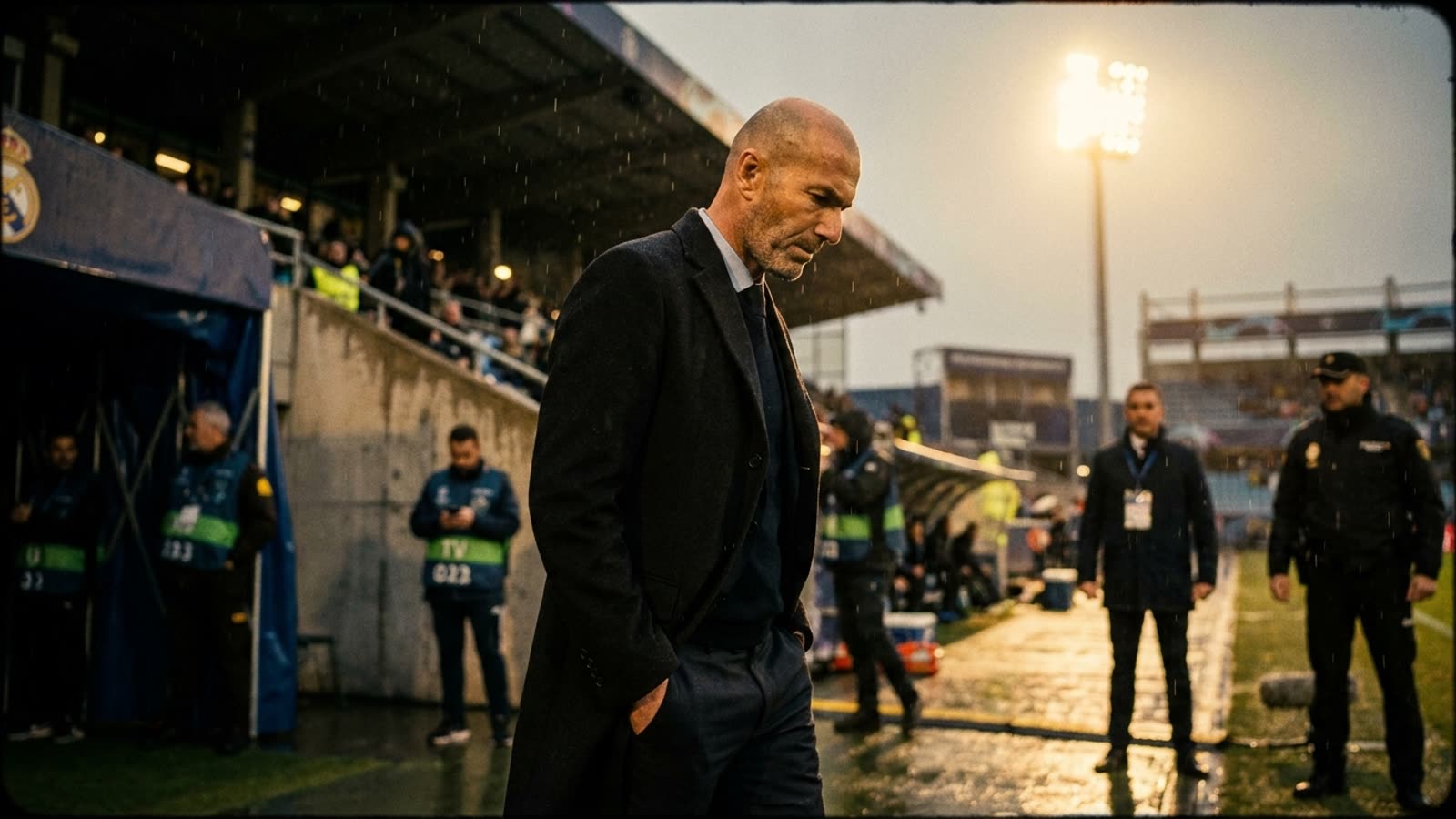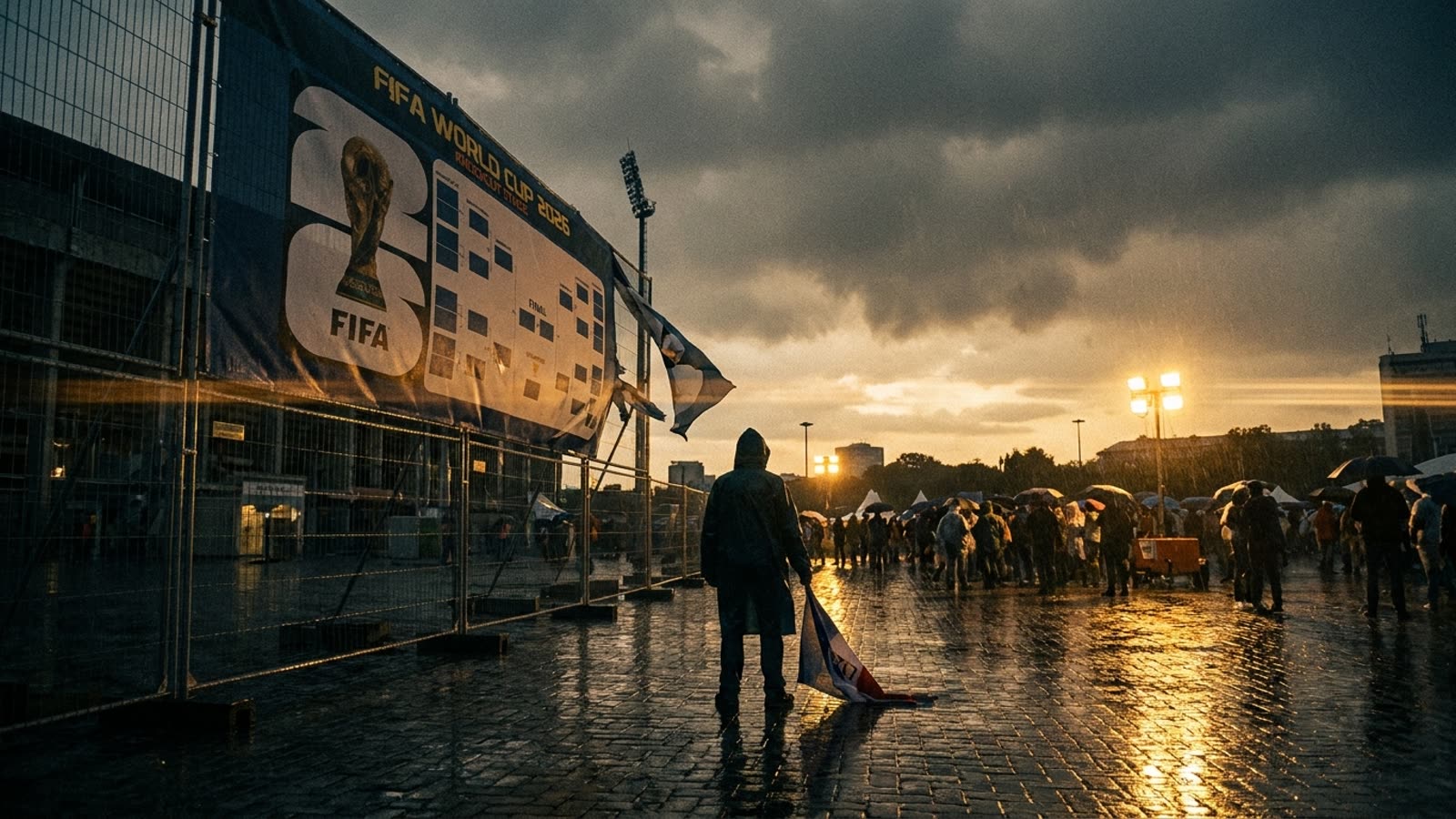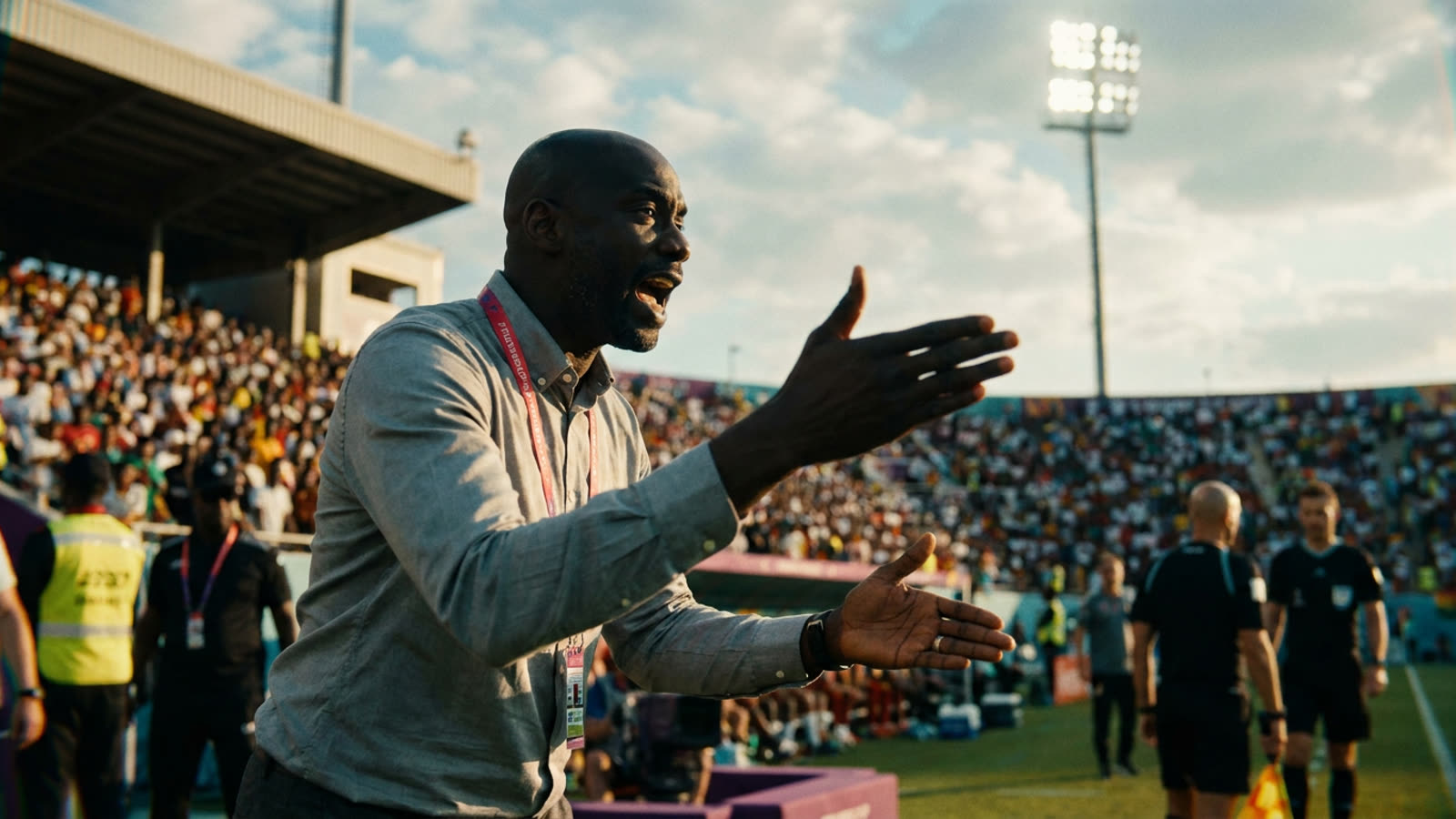
The 48-team World Cup was supposed to be a celebration of global inclusion. Ghana coach Otto Addo sees something else entirely: a tournament so bloated it risks becoming, in his words, "vulgar" and "ordinary."
Addo's critique, delivered as Ghana navigates the expanded format's labyrinthine group stage, cuts to the heart of a tension FIFA has never adequately resolved. The governing body sold expansion as democratization—more nations, more dreams, more football. What it delivered is a tournament where the path from group stage to knockout round has become so forgiving that mere qualification no longer carries the weight it once did.
The mathematics of mediocrity
Under the old 32-team format, two-thirds of participants advanced to the knockouts. The 48-team structure, with its 16 groups of three and 32 teams progressing, pushes that ratio even higher. A team can now advance with a single draw and a narrow loss. The margin for error has expanded so dramatically that the group stage increasingly resembles an extended warm-up rather than genuine competition.
For traditional powers, this matters little—they were advancing anyway. For nations like Ghana, historically on the cusp, the calculus is more complex. Yes, qualification is easier. But what does it mean to reach a World Cup knockout round when the achievement has been systematically devalued? Addo seems to grasp that his country's football development is not served by participation trophies at the global level.
FIFA's commercial imperative
The expansion was never really about football. It was about television markets, sponsorship territories, and the political arithmetic of FIFA's congress, where every member federation gets one vote regardless of footballing stature. More teams means more countries with a stake in the tournament's success, more broadcasters paying rights fees, more corporate partners reaching new demographics.
This is not inherently corrupt—sports bodies have always balanced competitive and commercial considerations. But FIFA's particular genius has been packaging naked commercial expansion as moral progress. The 48-team World Cup is sold as inclusion when it is, more accurately, dilution.
The African paradox
Addo's position is particularly striking because African football has been among expansion's most vocal advocates. The continent's allocation jumped from five guaranteed spots to nine, a recognition of Africa's growing football infrastructure and massive fan base. Yet here is an African coach suggesting the price may be too high.
Ghana's own World Cup history—the 2010 quarter-final heartbreak against Uruguay, the 2014 group-stage exit—was built on scarcity. Those moments mattered precisely because reaching them was difficult. Addo seems to understand that flooding the tournament with participants doesn't elevate African football; it merely changes the stage on which mediocrity is acceptable.
Our take
Addo will catch criticism for these remarks, accused of ingratitude or elitism. He should be applauded instead. The 48-team World Cup may be commercially inevitable, but that doesn't make it competitively sound. When a coach whose job depends on results is willing to question whether those results still mean anything, the sport's administrators should listen. They won't, of course. There's too much money involved. But at least someone is saying what football's purists have known since FIFA announced this expansion: more is not always better, and sometimes inclusion is just another word for lowering the bar.