The old gatekeepers of pop stardom — radio programmers, A&R executives with corner offices, the Grammy voting bloc — spent decades deciding who deserved to be famous. Gen-Z artists have rendered that entire apparatus charmingly obsolete.
New streaming metrics paint a picture that should alarm anyone over forty who still thinks they understand the music business. Sabrina Carpenter, Tate McRae, and a constellation of artists born after 1997 aren't merely performing well; they're dominating in ways that suggest a permanent generational transfer of cultural power.
The numbers tell a story the industry didn't expect
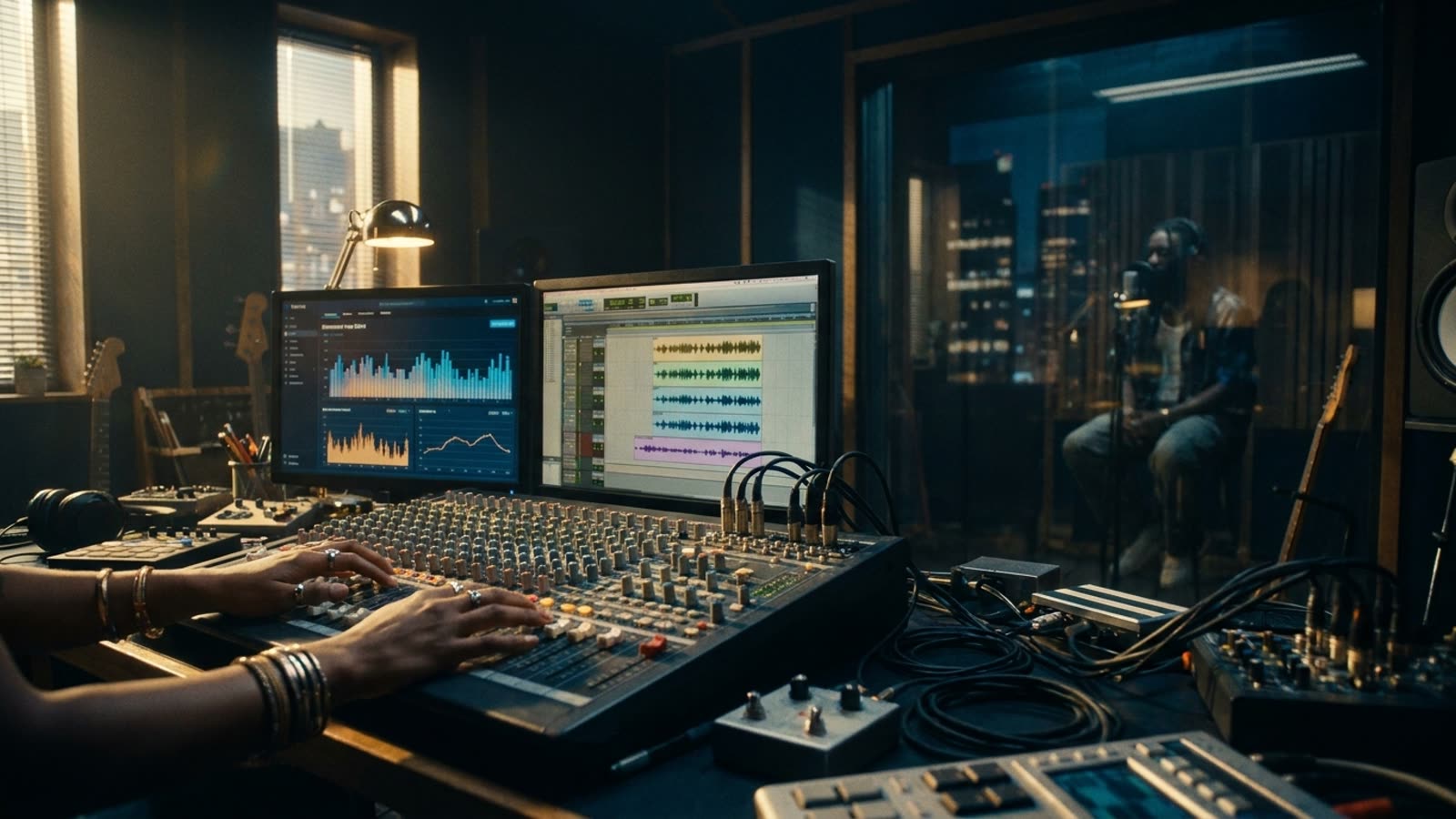
The streaming platforms that were supposed to democratize music have instead created a new aristocracy — one where virality on TikTok matters more than a Rolling Stone cover, and where an artist can go from bedroom recordings to stadium tours without ever meeting a traditional label executive. Carpenter's trajectory from Disney Channel supporting player to bona fide pop star happened almost entirely outside the mechanisms that launched previous generations. McRae built her audience through YouTube dance videos before any record label knew her name.
What makes this cohort different isn't just their age or their comfort with social media. It's their understanding that a song is no longer a finished product but a piece of content designed for infinite remix, duet, and reinterpretation. The most successful Gen-Z tracks aren't just catchy — they're engineered for participation.
The industry's awkward pivot
Major labels have responded with the grace of a middle-aged parent attempting to use slang. They've hired "TikTok consultants" and created "viral marketing divisions," essentially paying people to explain why their traditional playbooks no longer work. The smarter executives have simply gotten out of the way, signing artists who arrive with audiences already built and strategies already proven.
This represents a genuine power shift. Previous generations of pop stars needed the industry's infrastructure — its radio relationships, its promotional budgets, its connections to late-night bookers. Today's breakout artists often view label involvement as a distribution convenience rather than a career necessity.
Our take
The music industry has spent two decades complaining about how streaming destroyed its business model. What it missed was that streaming also destroyed its monopoly on stardom. Gen-Z artists didn't wait for permission to become famous — they simply became famous and let the industry catch up. The executives now scrambling to understand "the algorithm" are really trying to understand why their opinion no longer matters. It's a humbling lesson, and one suspects they haven't fully learned it yet.