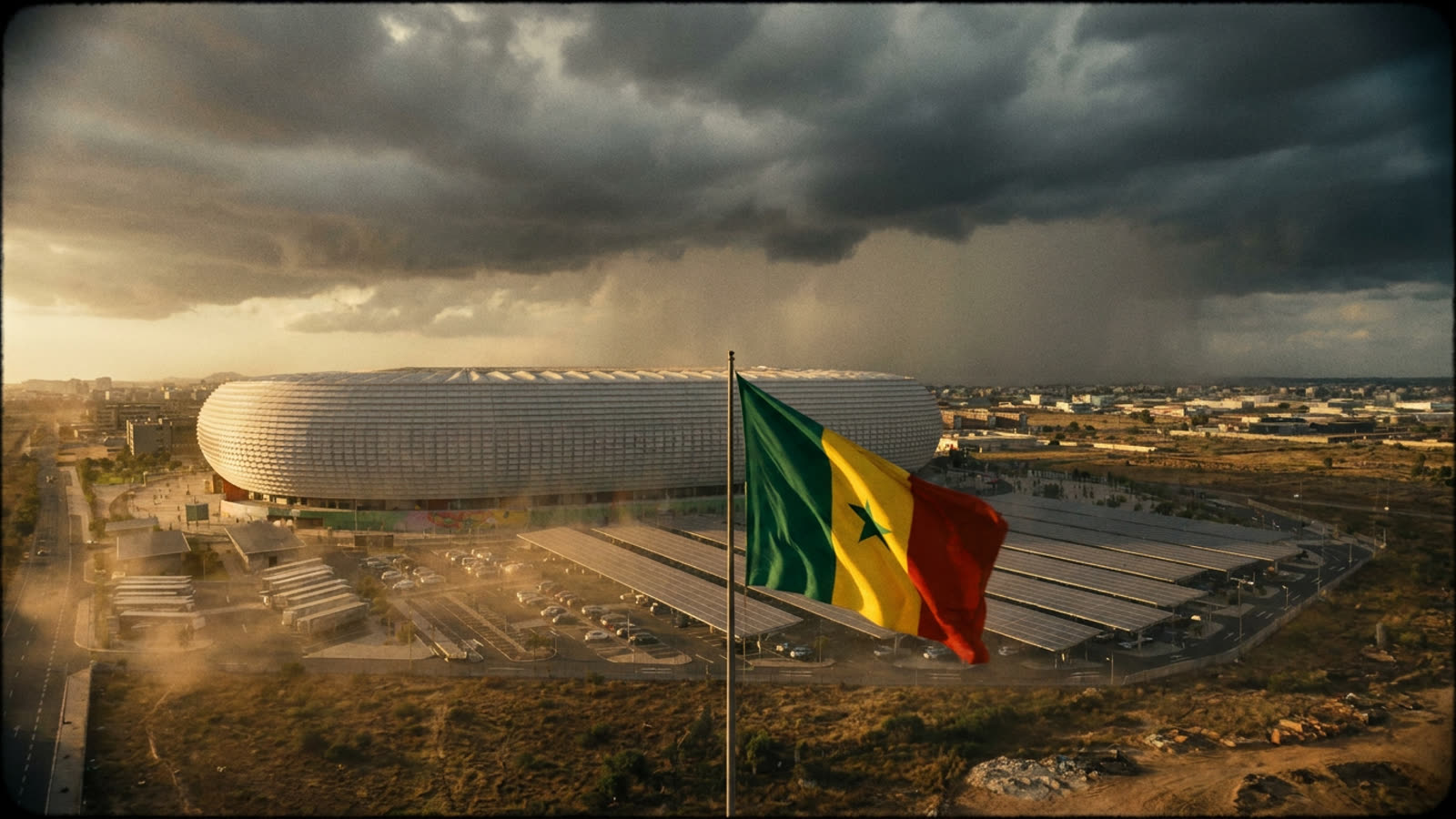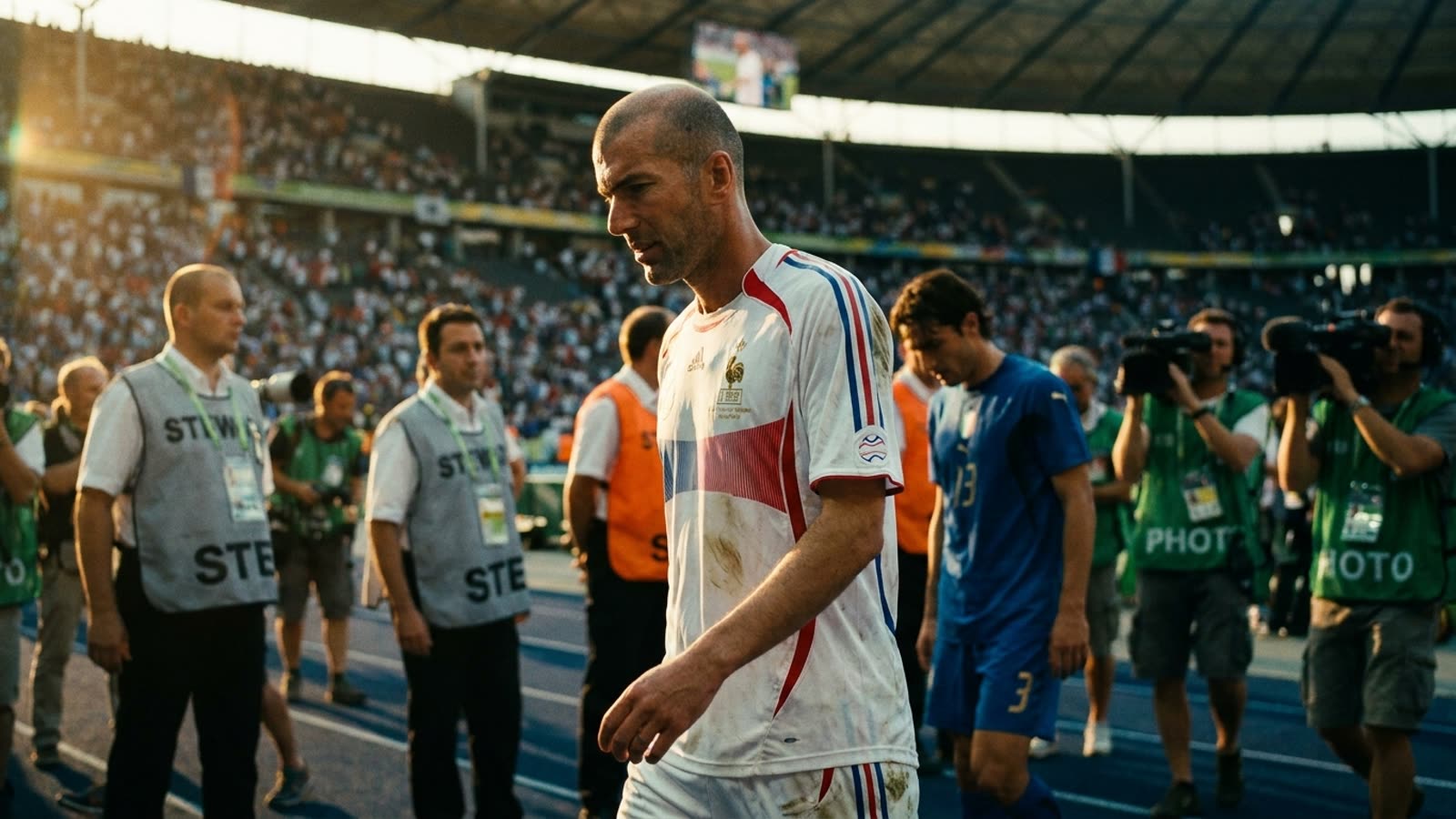
The Video Assistant Referee was supposed to end arguments, not start them. Yet here we are, three days into the 2026 World Cup, and the tournament's defining image is not a goal but a freeze-frame: a French defender's arm, a Senegalese striker's shot, and a referee's decision to let play continue despite VAR review.
France's opening match against Senegal ended 1-1, but the result feels secondary to the furious discourse that followed. Should Les Bleus have conceded a penalty in the 67th minute? The on-field official said no. VAR agreed. Half the football world disagrees violently.
The incident in question
The sequence was textbook controversy. Senegal's Ismaïla Sarr struck a shot from twelve yards that deflected off Dayot Upamecano's arm. The arm was not pinned to the body. The ball changed direction. In countless previous tournaments, this would have been a penalty. But FIFA's 2025 handball clarifications—designed to reduce "unnatural" arm-position calls—gave the referee cover to wave play on. VAR examined the footage for nearly three minutes before concurring.
Senegalese coach Aliou Cissé was diplomatic in his post-match remarks but unmistakably bitter. "We came to play football, not to study law," he said. "My players do not understand how that is not a penalty. I do not understand. Perhaps someone can explain."
French manager Didier Deschamps, predictably, saw things differently. "The rules are the rules. The referee applied them correctly. We move on."
The technology paradox
VAR arrived in 2018 with a simple promise: eliminate clear and obvious errors. Eight years later, it has achieved something more ambiguous—it has eliminated some errors while creating an entirely new category of grievance. Fans no longer argue about what the referee saw. They argue about what the referee should have seen, given unlimited replays and multiple camera angles.
The France-Senegal incident crystallizes the problem. This was not a clear and obvious error in either direction. It was a judgment call, the kind referees have made for 150 years. VAR's involvement did not clarify; it amplified. By reviewing the play and then upholding the original decision, the system implicitly endorsed a controversial interpretation as correct. The losing side feels not merely unlucky but systematically wronged.
FIFA's competition committee will face questions this week. The organization has spent years tweaking handball rules, trying to find language that removes subjectivity. The effort has failed, because subjectivity is baked into the sport. A ball striking an arm is not like a ball crossing a goal line. There is no binary answer.
Our take
VAR's original sin was promising objectivity in a game that resists it. Football is not tennis, where Hawk-Eye can measure millimeters. It is a contact sport played at speed by humans with arms attached to their bodies. The technology works brilliantly for offside calls and missed red cards—situations with genuine right answers. For handballs and soft fouls, it merely transfers the argument from the pub to the replay booth. France-Senegal will not be the last such controversy at this World Cup. It may not even be the biggest. But it is a useful reminder that football's most heated debates were never really about what happened. They were about what should count.