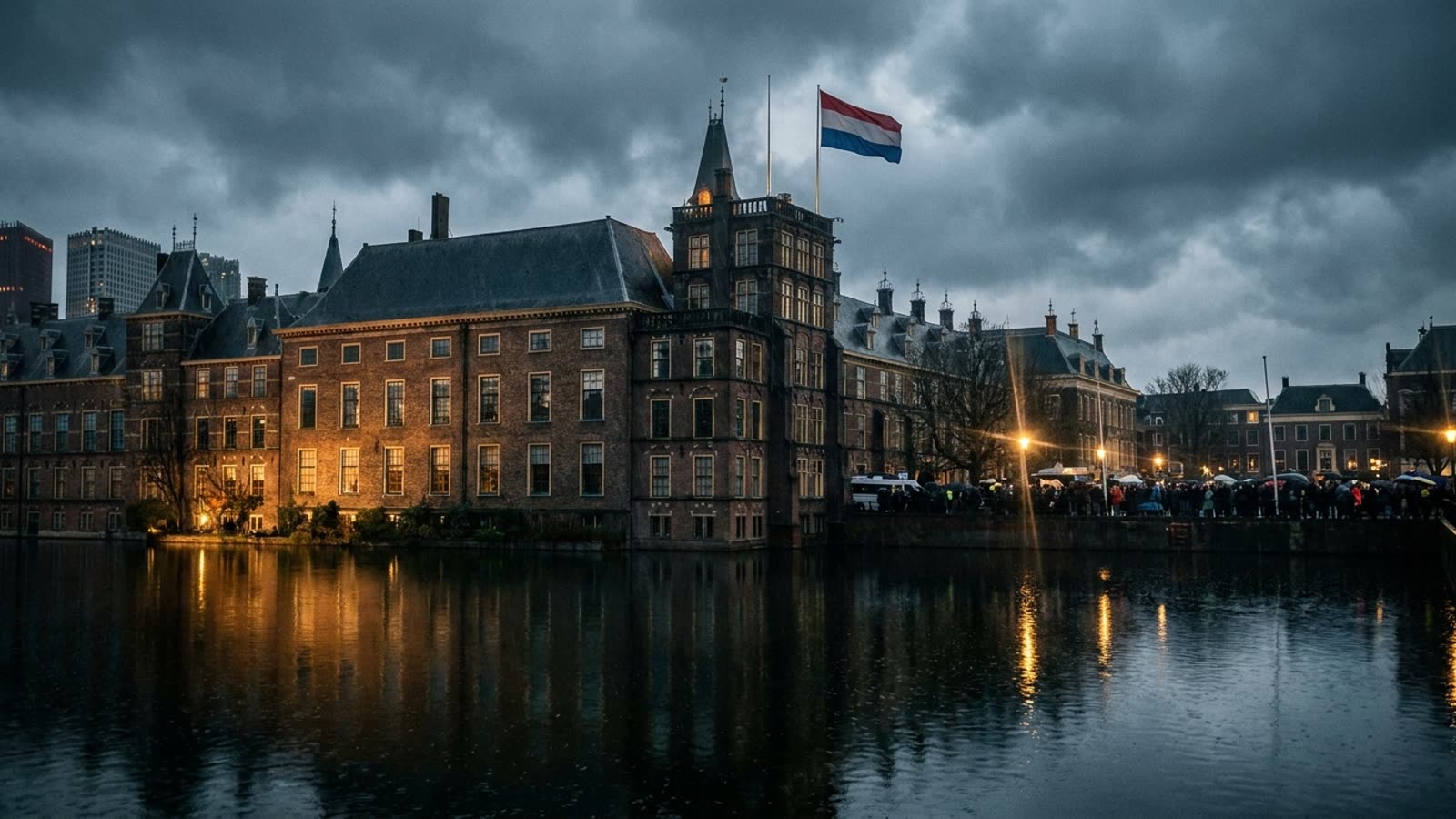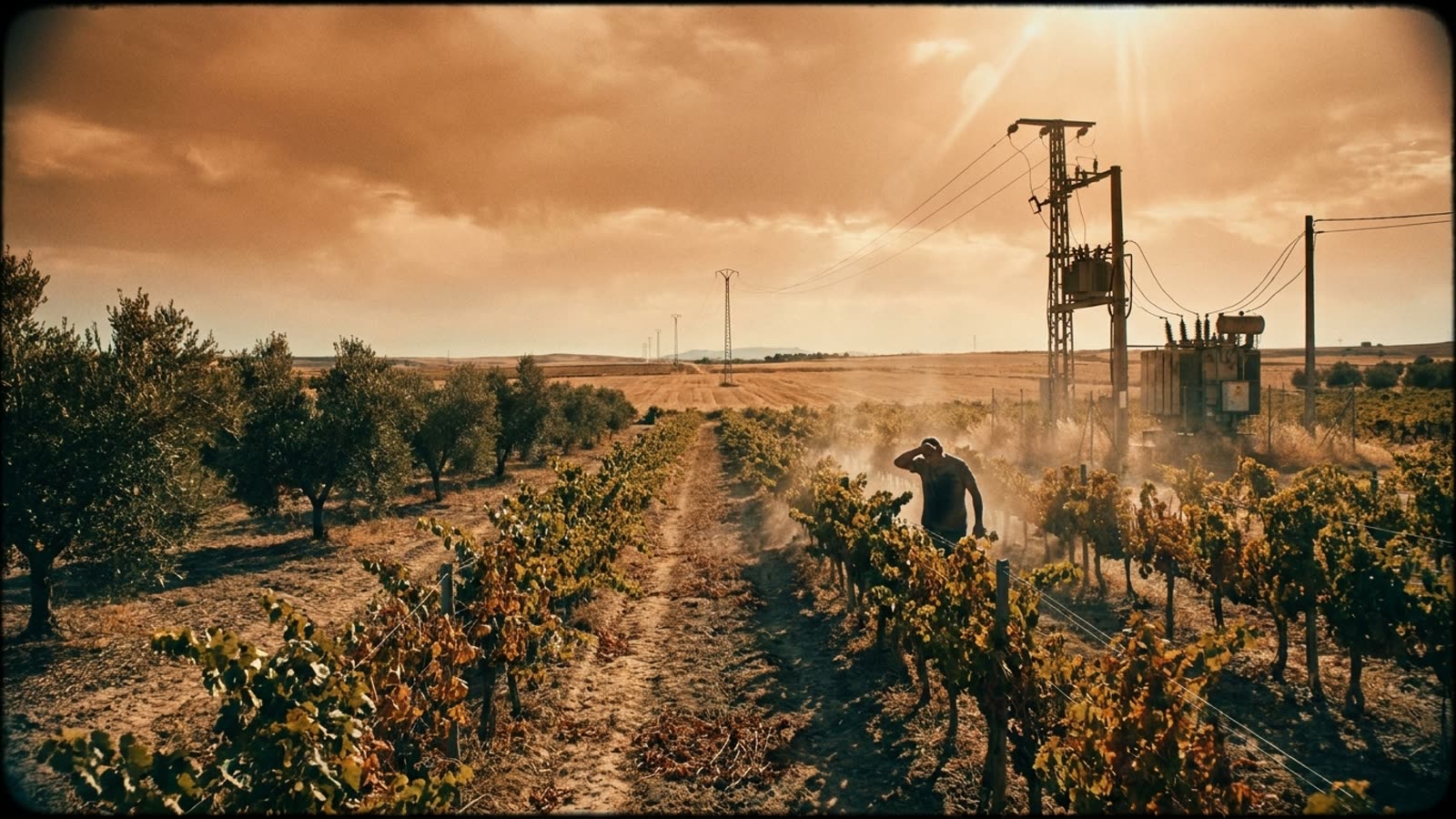
The heat wave currently scorching Europe is not merely deadly; it is expensive in ways that compound annually and resist easy fixes. Records are falling across Spain, France, Italy, and the Balkans, with temperatures in some regions exceeding anything measured since systematic tracking began. The human toll—excess deaths, hospital surges, wildfires—dominates headlines. But the economic damage, quieter and more diffuse, may prove more consequential for policymakers who still treat extreme heat as an act of God rather than a recurring budget line.
The productivity crater
Heat degrades labor output in ways that GDP statistics struggle to capture. Construction slows. Agricultural workers retreat indoors during peak hours. Logistics networks—already strained by post-pandemic recalibrations—face delivery delays as warehouse temperatures exceed safe operating limits for both humans and perishable goods. The European Commission's own research suggests that labor productivity losses from heat stress could cost the EU economy north of €50 billion annually by mid-decade, a figure that now looks conservative. Southern European economies, already grappling with demographic decline and sluggish growth, absorb a disproportionate share.
Energy grids under siege
Air conditioning demand spikes just as thermal power plants—still a meaningful share of European generation—lose efficiency. Rivers run low, constraining hydroelectric output and limiting cooling water for nuclear facilities. France, which relies heavily on nuclear power, has repeatedly curtailed reactor output during summer heat events. The irony is bitter: the infrastructure built for a temperate continent now strains precisely when demand peaks. Wholesale electricity prices surge, feeding through to industrial costs and, eventually, consumer bills.
Agriculture's slow bleed
Crop yields suffer in ways that markets only partially price in advance. Wheat, olives, wine grapes—the staples of Mediterranean agriculture—face stress that reduces both quantity and quality. Insurance claims rise. Farmers lobby for emergency subsidies. The EU's Common Agricultural Policy, already a sprawling fiscal commitment, faces pressure to expand drought relief, transferring climate costs onto taxpayers across the bloc.
Our take
Europe has spent decades building an economy optimized for mild summers and reliable rainfall. That climate no longer exists. The heat waves are not aberrations; they are the new baseline, arriving earlier, lasting longer, and pushing further north each year. Adaptation—urban redesign, grid hardening, crop diversification—requires capital and political will that remains scarce. Until European governments treat summer heat as a structural economic risk rather than a seasonal inconvenience, the damage will keep compounding. The weather has changed. The budgets have not.