The Jeffrey Epstein case refuses to stay buried, and the latest exhumation may prove the most consequential yet. Multiple survivors have now publicly accused Lesley Groff, Epstein's longtime executive assistant, of providing false testimony to Congress—allegations that, if substantiated, would constitute perjury and suggest the legislative investigation into Epstein's network was compromised from within.
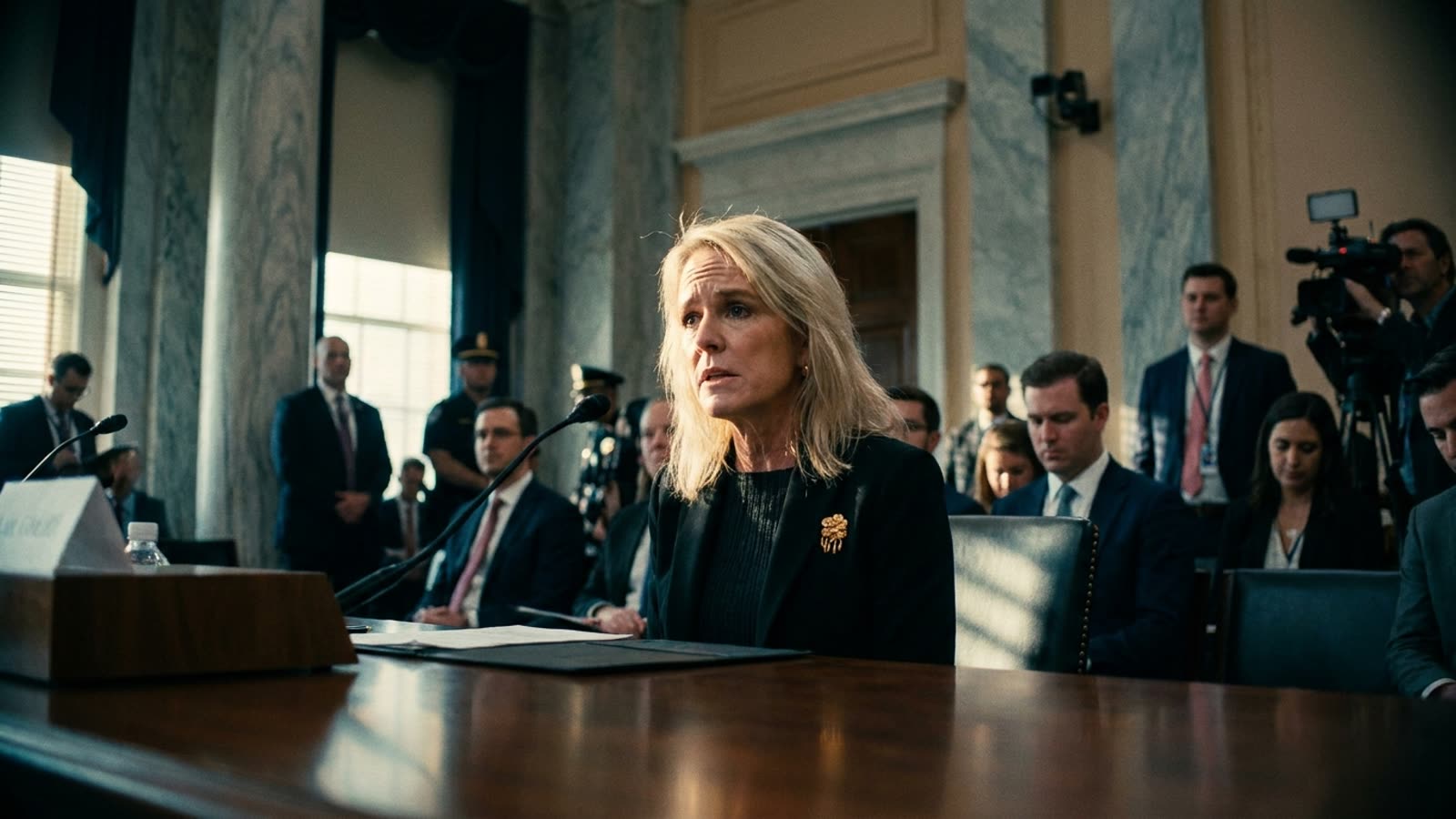
Groff, who worked for Epstein for over two decades and was named as a co-conspirator in the 2008 non-prosecution agreement, testified before congressional investigators as part of ongoing efforts to understand how the financier evaded accountability for so long. Survivors now claim her statements under oath directly contradict their own documented experiences and contemporaneous evidence.
The credibility gap
The accusations center on Groff's characterization of her role in Epstein's operations. Survivors allege she was not the passive administrative figure her testimony suggested, but rather an active participant in scheduling and logistics that facilitated abuse. Congressional testimony is protected by oath, and knowingly providing false statements constitutes a federal crime carrying up to five years in prison.
The timing matters. Congressional investigators have faced persistent criticism for failing to compel testimony from key figures in Epstein's orbit, and for accepting at face value accounts that survivors dispute. If Groff's testimony was indeed misleading, it raises uncomfortable questions about due diligence—and about whether other witnesses provided similarly sanitized versions of events.
The institutional stakes
For Congress, the allegations present a dilemma. Referring a perjury case to the Department of Justice would reopen an investigation many lawmakers considered functionally closed. It would also invite renewed scrutiny of the original inquiry's thoroughness. Yet failing to act on credible survivor testimony would reinforce the perception that powerful networks remain insulated from accountability.
The Epstein case has always been as much about institutional failure as individual criminality. From the sweetheart deal brokered by Alexander Acosta in 2008 to the circumstances of Epstein's death in federal custody in 2019, each chapter has revealed systems that bent toward protecting the connected. Survivors have spent years arguing that the full scope of complicity remains unexplored.
Our take
Perjury before Congress is not a technicality—it is an assault on the investigative function itself. If survivors' accounts are credible, and multiple corroborating voices suggest they are, then the appropriate response is referral and investigation, not institutional embarrassment management. The Epstein network's defining feature was its ability to make problems disappear through access and influence. Seven years after his death, the test is whether that machinery still functions.