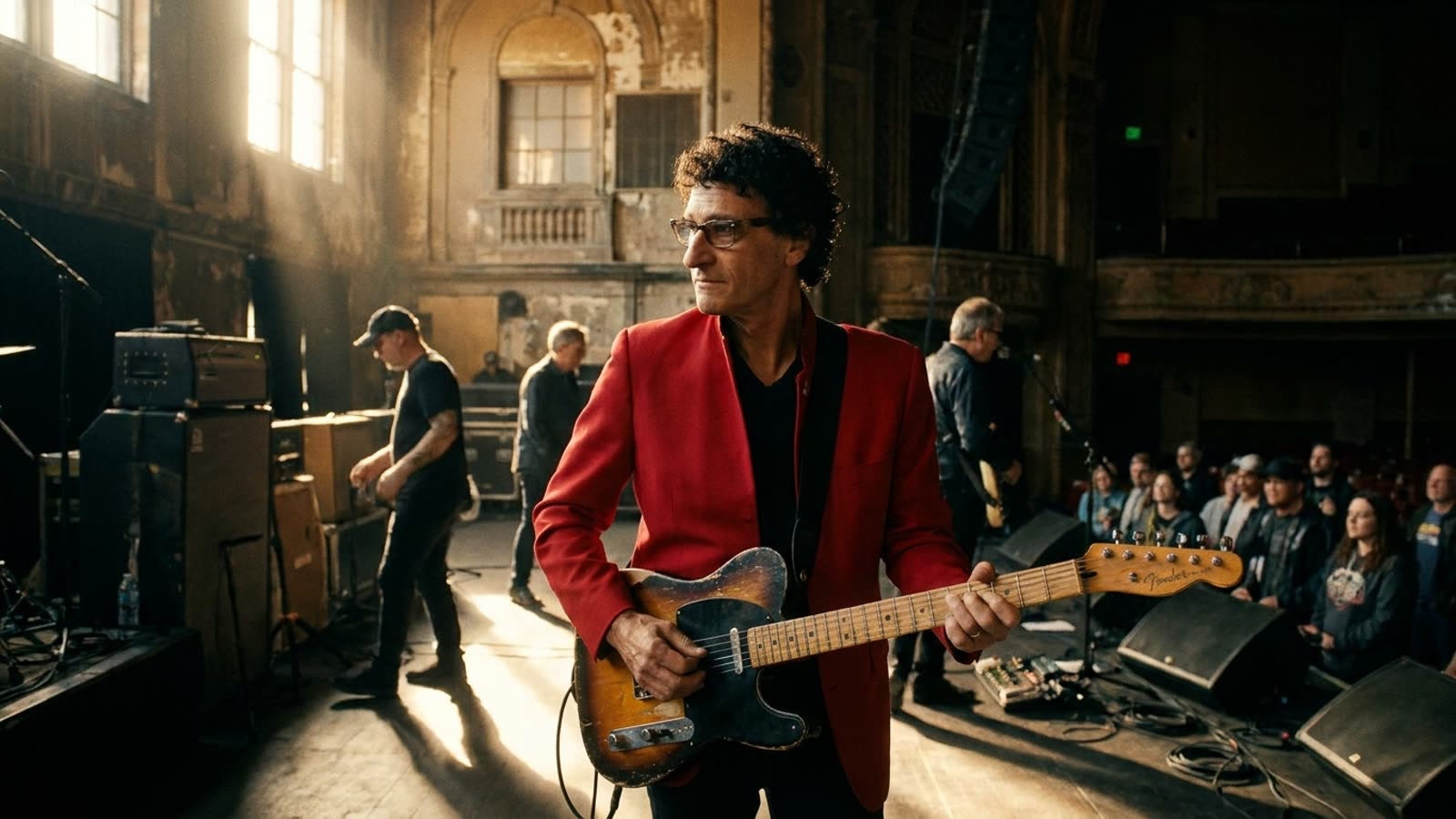
Pittsburgh has always preferred its heroes homegrown, and no musician wore that civic affection more comfortably than Dominic Ierace—better known as Donnie Iris—who died Monday after a three-year battle with bladder cancer. He was 83, still playing local stages until illness intervened, still packing clubs with audiences who knew every word to songs that never cracked the national top ten.
Iris's career traced an improbable arc. In 1970, as frontman of the Jaggerz, he delivered "The Rapper," a sly, horn-sweetened single that climbed to No. 2 on the Billboard Hot 100. It was pure bubblegum pop, catchy and disposable by design—yet Iris treated it as a beginning, not a peak. A decade later, teaming with keyboardist Mark Avsec, he reinvented himself as a power-pop auteur. "Ah! Leah!" and "Love Is Like a Rock" became FM staples in the early 1980s, their crunchy guitars and falsetto hooks landing somewhere between Elvis Costello and Cheap Trick.
The cult that commerce couldn't build
National stardom never quite arrived, and Iris seemed unbothered. He stayed in Pittsburgh, played its festivals, became a fixture at WDVE's annual charity concerts. The loyalty was reciprocal: fans who had danced to "The Rapper" at their proms brought their children to see him at Station Square. In an era when regional rock scenes were being flattened by corporate radio consolidation, Iris remained proof that geography could still matter—that a city could claim an artist the way it claims a sports franchise.
Legacy in a streaming age
His catalog is modest by streaming metrics, but metrics miss the point. Iris represented a model of sustainable, mid-level success that the modern music industry has largely abandoned. He never needed a viral moment; he had a zip code. Pittsburgh's mayor declared "Donnie Iris Day" in 2019, and the honor felt less like nostalgia than civic fact.
Our take
Donnie Iris was not a legend in the Rock Hall sense, and he would have been the first to shrug at the distinction. What he achieved was rarer: a career measured not in platinum certifications but in generational attendance, in the way a city sings along without being prompted. Pittsburgh will find other musicians to champion, but it will not soon find another artist so content to belong to it.