When one of pop music's most unpredictable stars decides to publicly antagonize the man who controls her primary promotional infrastructure, something interesting is happening in the celebrity-platform relationship.
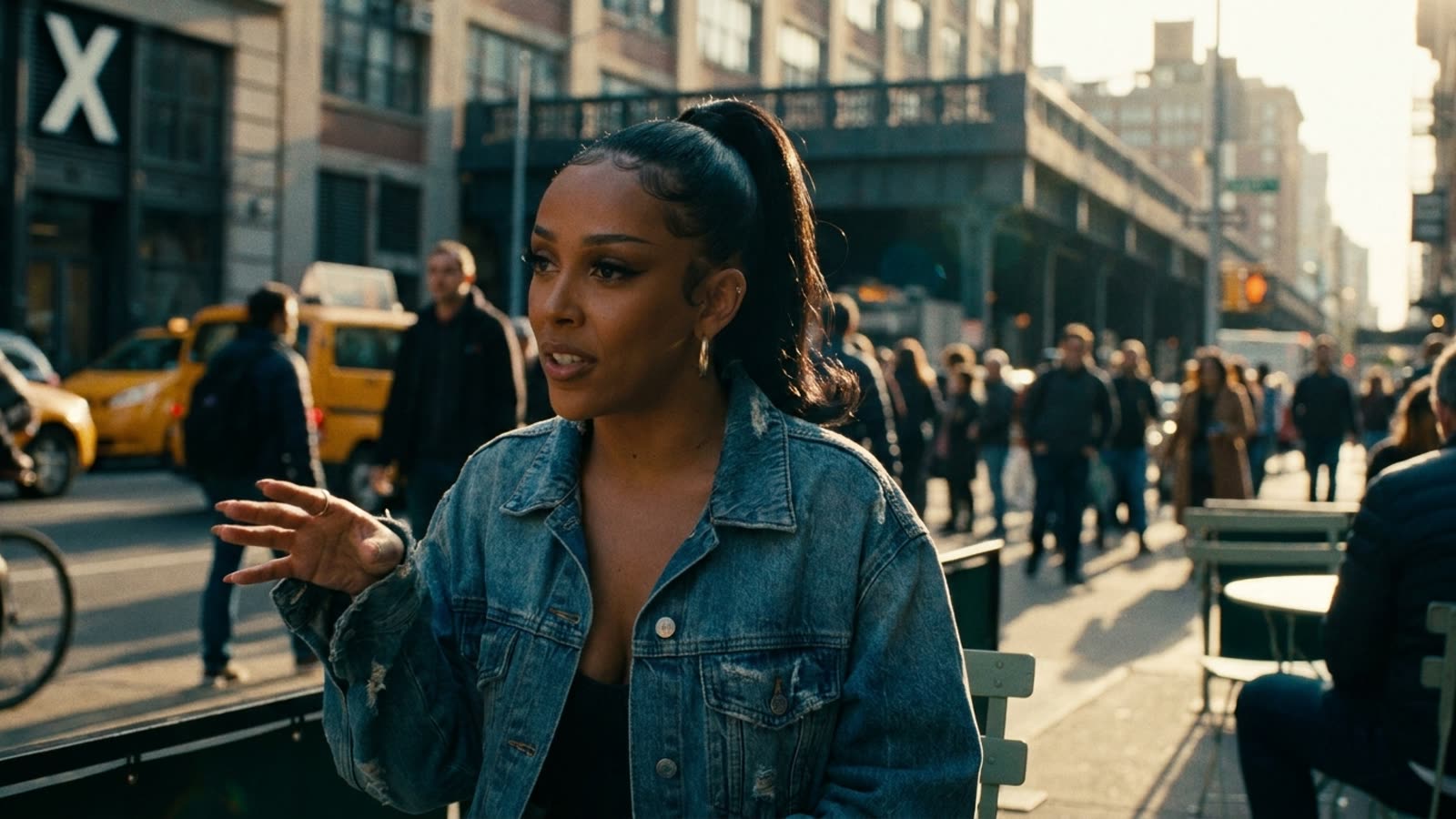
Doja Cat's pointed remarks toward Elon Musk represent more than the typical celebrity-billionaire friction that occasionally flares across social media. They arrive at a moment when artists are increasingly questioning whether the platforms that made them famous are worth the compromises they demand — algorithmic capriciousness, content moderation chaos, and the ever-present risk that one mercurial owner's whims could tank their reach overnight.
The platform dependency problem
Modern pop stardom is inseparable from social media presence. Doja Cat built her career on viral moments, from the absurdist "Mooo!" that first brought her mainstream attention to the carefully cultivated chaos of her online persona. She has nearly 25 million followers on X, a promotional asset that would have been unimaginable for artists a generation ago.
But that asset comes with strings attached. Since Musk's acquisition of Twitter and its transformation into X, artists have watched the platform's advertising revenue collapse, its verification system become a paid commodity, and its algorithmic priorities shift in ways that remain opaque. For celebrities who built audiences on the old Twitter, the new X feels like a landlord who changed the locks and raised the rent simultaneously.
Why artists are getting bolder
Doja Cat is not the first celebrity to express frustration with Musk or his platform, but her willingness to do so publicly reflects a broader calculation shifting in Hollywood and the music industry. The conventional wisdom — never alienate a platform owner who controls your visibility — is weakening as artists recognize that X's cultural dominance has eroded.
Instagram, TikTok, and YouTube offer alternative megaphones. Threads, Meta's X competitor, has been aggressively courting celebrity users. For an artist like Doja Cat, whose fanbase skews young and platform-agnostic, the risk of antagonizing Musk may be lower than the reward of positioning herself as an artist who speaks her mind regardless of corporate pressure.
There's also the simple matter of brand alignment. Musk has become an increasingly polarizing figure, and for artists whose audiences lean progressive, visible distance from him may be strategically valuable.
Our take
The celebrity-platform détente was always unstable. Social media companies needed famous faces to attract users; famous faces needed platforms to reach fans. But that mutual dependency assumed both sides had something to lose. As X's cultural relevance fades and alternatives multiply, artists like Doja Cat are discovering they can afford to be honest about their landlord. Whether Musk notices or cares is almost beside the point. The audience certainly noticed.