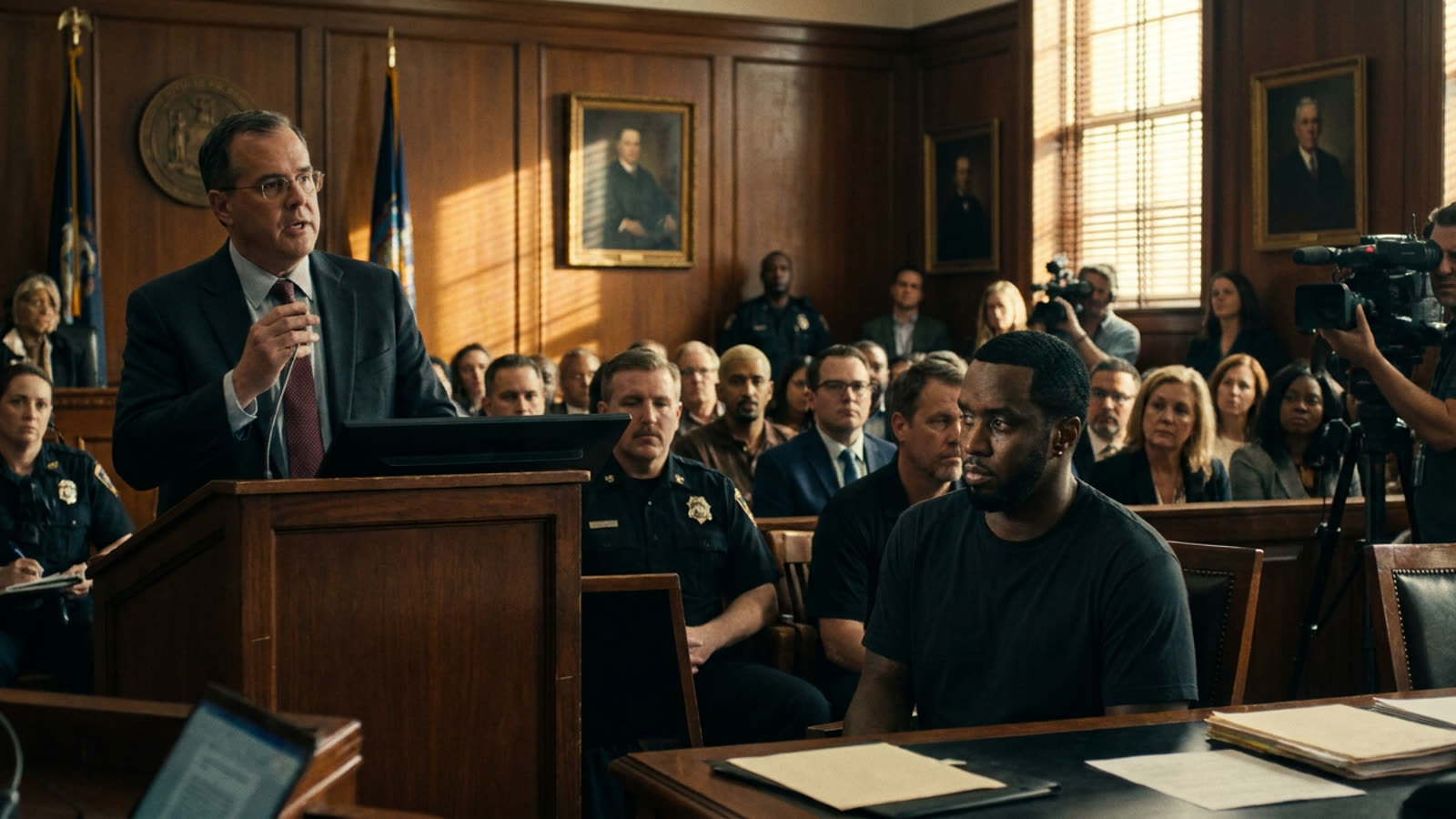
Sean Combs has spent months in federal custody, his empire dismantled, his reputation in ruins, his trial date looming. And yet the legal machinery grinding against him may only be warming up. The Los Angeles County District Attorney's office has confirmed it is reviewing a new case against the music mogul—one that could result in state criminal charges entirely separate from the federal racketeering and sex trafficking indictment that has already upended his life.
The development is significant not merely for its prosecutorial ambition but for what it reveals about the cascading nature of Combs's legal exposure. When federal authorities unsealed their indictment last year, the document painted a portrait of alleged abuse spanning decades and multiple jurisdictions. Los Angeles, where Combs maintained residences and conducted business, was always going to be fertile ground for state-level scrutiny.
The California question
California's statute of limitations on sexual assault has been repeatedly extended in recent years, a legislative response to the #MeToo movement that has given prosecutors wider latitude to pursue older allegations. For Combs, whose accusers have described incidents stretching back to the 1990s, this legal landscape is treacherous. State charges would not merely duplicate federal ones—they would expose him to an entirely different sentencing framework and, crucially, would survive even if the federal case were to collapse on appeal or technicality.
The D.A.'s office has offered no timeline and declined to specify which allegations it is examining. But the mere announcement of a review sends a signal: Los Angeles is watching the federal proceedings closely and is prepared to act independently.
A pattern of accumulation
Combs's legal troubles have followed a familiar trajectory for defendants facing institutional accountability. First came the civil suits—Cassie Ventura's bombshell complaint, settled within a day, followed by a procession of accusers whose claims painted a consistent picture of coercion and violence. Then the federal raid, the arrest, the indictment. Now, state prosecutors are positioning themselves as a backstop.
This layered approach has become something of a template in high-profile cases. Harvey Weinstein faced prosecution in both New York and California; R. Kelly was tried in multiple jurisdictions. The strategy ensures that no single courtroom failure can deliver total exoneration—and it maximizes the pressure on defendants to consider cooperation or plea arrangements.
Our take
Sean Combs built a career on omnipresence—the music, the fashion, the vodka, the relentless personal branding. That same ubiquity now works against him. He operated everywhere, which means prosecutors everywhere have potential jurisdiction. The Los Angeles review may or may not result in charges, but its existence confirms what has been obvious for months: the legal system is not going to let Diddy slip through on a technicality or a single jury's doubt. The walls are not closing in. They have already closed. Now they are just adding more walls.