When you purchase Bitcoin on a major exchange, the confirmation appears in seconds. Your balance updates. You feel the satisfaction of ownership. But in most cases, nothing has moved on the blockchain at all — and understanding that gap is the difference between a crypto tourist and someone who grasps why this technology exists in the first place.
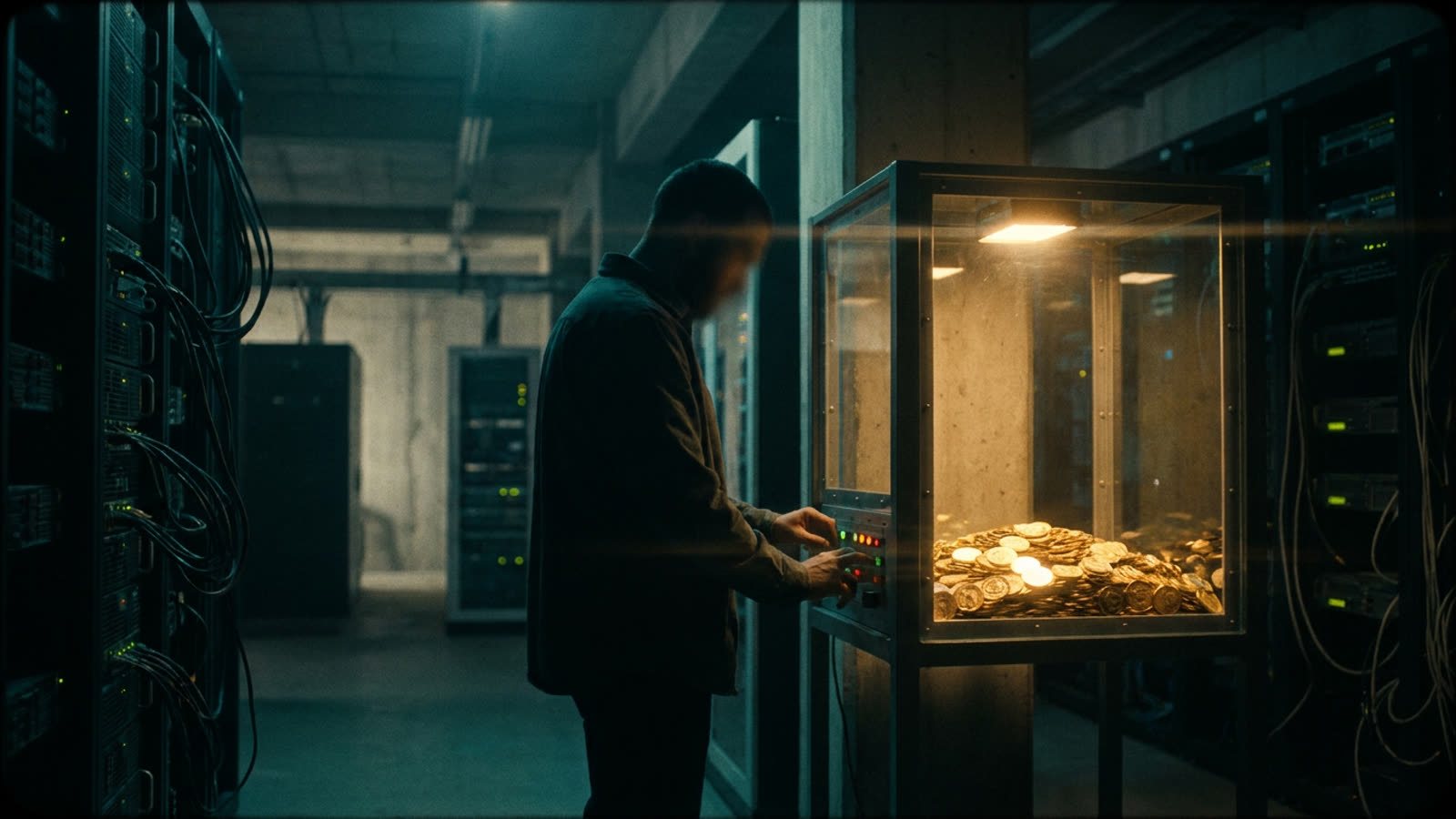
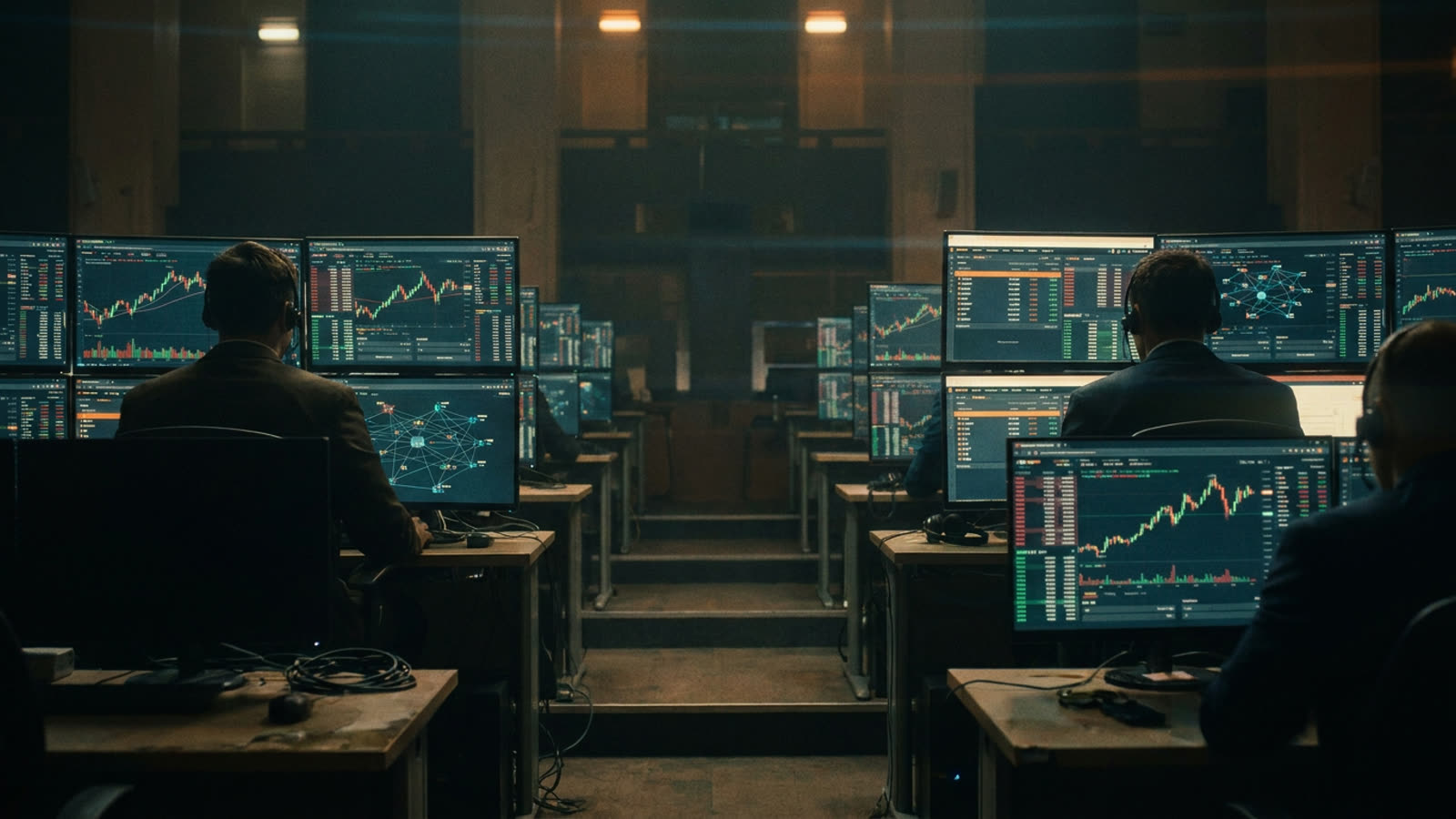
The vast majority of retail cryptocurrency trades occur entirely within exchange databases. You buy Bitcoin from Coinbase or Binance, and what actually happens is an entry in their internal ledger changes. The exchange holds a pool of Bitcoin in wallets it controls; your 'purchase' is a claim on a fraction of that pool. This is not fraud — it is how every brokerage works, from Charles Schwab to your local forex shop. But it is also not what the cypherpunks had in mind.
The settlement layer nobody sees
Actual blockchain settlement is slow, expensive, and final. When Bitcoin moves on-chain, it takes roughly ten minutes for a block to confirm the transaction, and prudent recipients wait for multiple confirmations before considering the transfer irreversible. Ethereum is faster but still measured in minutes, not milliseconds. This latency is a feature, not a bug — it is the time required for a decentralized network to reach consensus without trusting any single party.
Exchanges batch withdrawals precisely because on-chain transactions cost money. Every Bitcoin transaction requires a fee paid to miners, regardless of the amount transferred. Moving one dollar costs the same as moving one million. Exchanges accumulate withdrawal requests and process them in batches, sometimes hourly, sometimes daily, optimizing for fee efficiency rather than user immediacy.
Why this matters for your money
The phrase 'not your keys, not your coins' exists because exchange custody introduces counterparty risk. When your Bitcoin sits in Coinbase's omnibus wallet, you are a creditor of Coinbase. If the exchange is hacked, becomes insolvent, or freezes withdrawals — as several prominent platforms have done — your claim joins a queue of other creditors. The blockchain itself is secure; your relationship with the intermediary is not.
This is why serious holders eventually learn to withdraw to wallets they control. A hardware wallet generates cryptographic keys that never touch the internet. When you send Bitcoin to an address derived from those keys, the settlement is real — recorded on a distributed ledger maintained by thousands of nodes worldwide, irreversible without your private key. The trade-off is responsibility: lose the key, lose the coins, no customer service to call.
The institutional plumbing evolving underneath
Traditional finance is slowly building bridges. Prime brokers now offer crypto custody with the same insurance frameworks as equities. Settlement networks are experimenting with near-instant finality for institutional trades. The irony is that these innovations often reintroduce the trusted intermediaries that Bitcoin was designed to eliminate — but they also bring the regulatory clarity that pension funds require before allocating capital.
Our take
The dashboard lie is not malicious; it is practical. Most people do not want to wait ten minutes for a coffee purchase to confirm, and most traders do not want to pay network fees on every speculative position. But the abstraction layer should be understood, not ignored. Crypto's value proposition is not faster PayPal — it is the option to bypass intermediaries entirely when the stakes justify the friction. Knowing when you are using that option, and when you are merely trusting a database with a Bitcoin logo, is the beginning of actual literacy in this space.