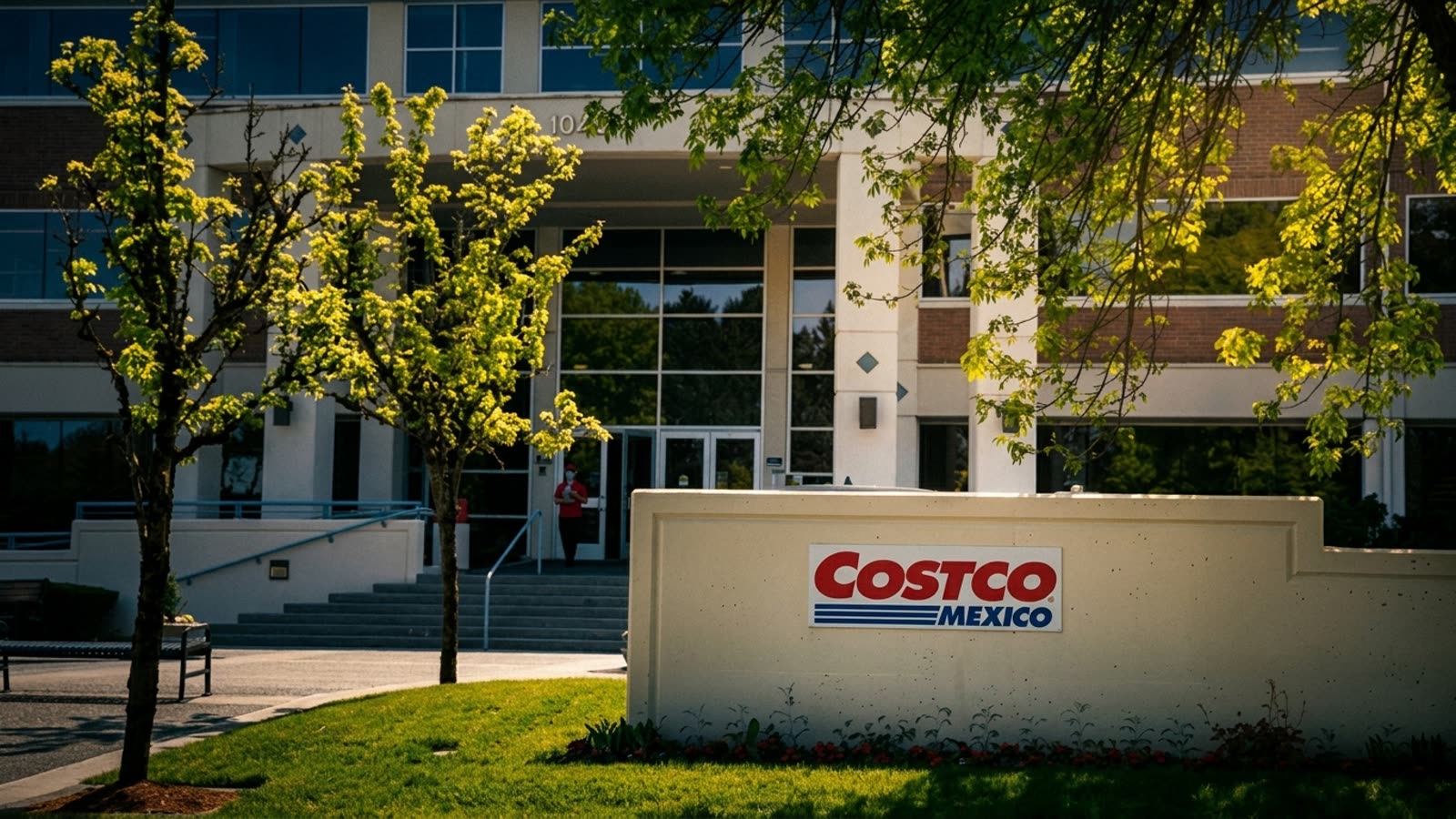
While most retailers are scrambling to explain away margin compression and inventory bloat, Costco delivered fiscal third-quarter results that made analysts look timid. The Issaquah-based warehouse club beat consensus estimates on both revenue and earnings, demonstrating that its particular formula—bulk buying, ruthless cost discipline, and a membership model that prints recurring revenue—translates into genuine pricing power even as import duties inflate input costs across the consumer sector.
The numbers tell a straightforward story: same-store sales growth exceeded expectations, membership renewal rates held near historic highs, and management offered guidance that suggested confidence rather than caution. In an environment where Target has stumbled, Dollar General has warned, and even Walmart has hedged its language, Costco's tone was almost breezy.
The tariff arbitrage nobody discusses
Costco's advantage in the current trade environment is structural, not tactical. Because it carries roughly 4,000 SKUs compared to the 30,000-plus at a typical supermarket, the company can concentrate purchasing volume into fewer supplier relationships and negotiate harder. When tariffs hit a category, Costco has the leverage to demand that vendors absorb a larger share of the cost increase—or to drop the item entirely without leaving a visible gap on the shelf.
That discipline extends to private-label. Kirkland Signature now accounts for nearly a third of sales, and because Costco controls the supply chain for its house brand, it can source from alternative countries faster than competitors locked into legacy vendor contracts. The result is a pricing architecture that looks stable to members even when the underlying cost structure is in flux.
Membership as a hedge
The real moat, though, is psychological. Costco's 135 million cardholders pay an annual fee for the privilege of shopping there, which inverts the usual retail dynamic. Instead of chasing customers with promotions, Costco can focus on delivering value that justifies renewal. That annuity stream—approaching $5 billion annually—funds investments in price cuts, which in turn reinforces the value proposition. It is a flywheel that tariffs cannot easily disrupt.
Competitors have tried to replicate the model. Amazon launched a bulk-buying program; Walmart experimented with Sam's Club expansions; BJ's Wholesale leaned into digital. None has matched Costco's renewal rate, which hovers above 90 percent in North America. The reason is partly cultural: Costco's employees are paid well above industry average, turnover is low, and the in-store experience reflects that stability. Shoppers notice.
Our take
Costco's beat is not just a company story; it is a referendum on which retail models survive policy volatility. The answer, increasingly, is that scale plus loyalty plus operational simplicity wins. Retailers built on thin margins and sprawling assortments are exposed; those with pricing power and recurring revenue are not. If the tariff regime persists—or tightens—expect Costco to keep gaining share while its competitors issue guidance cuts. The warehouse club was designed for exactly this kind of chaos.