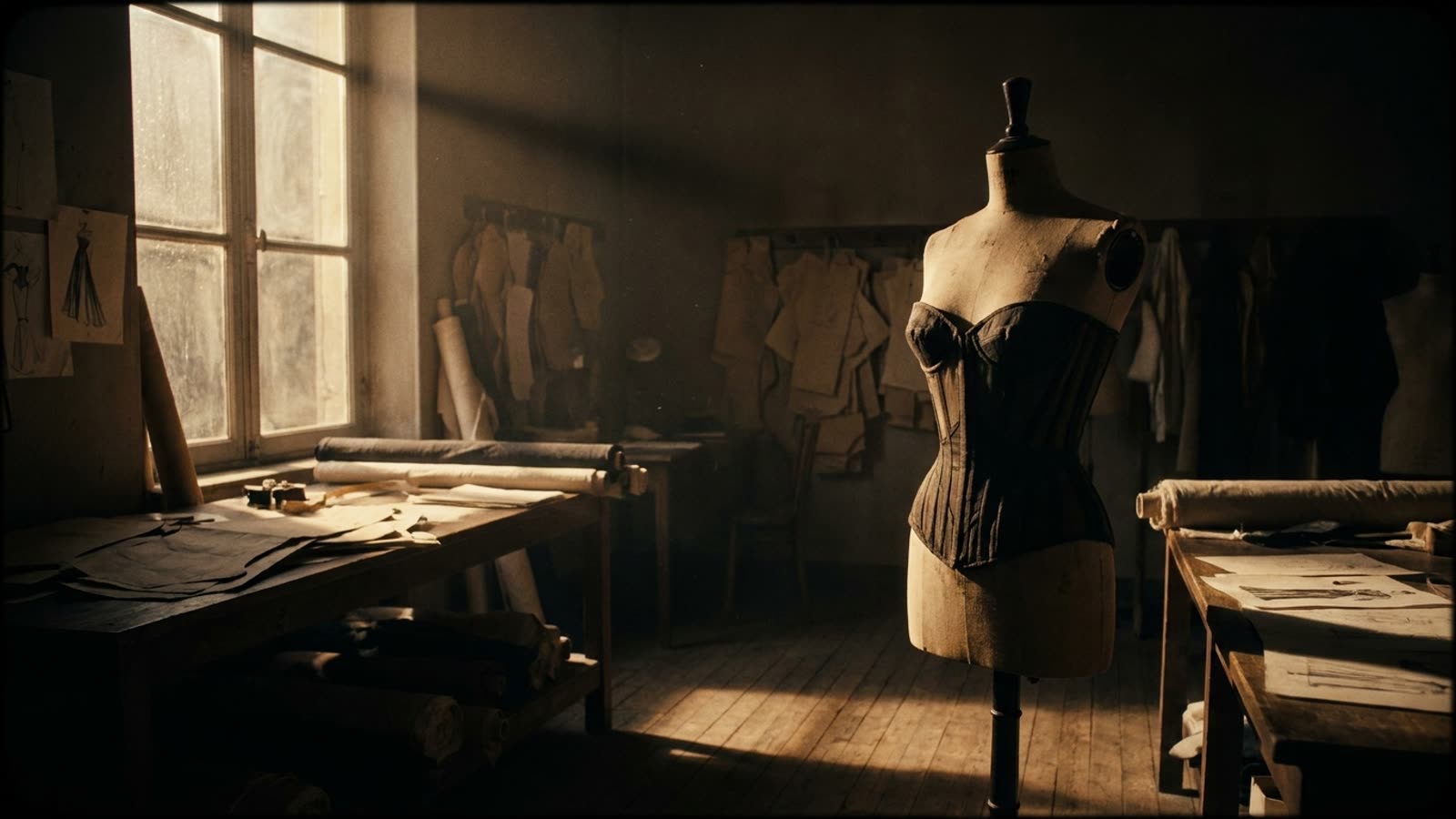
The corset never really left; it just learned to rebrand. What was once dismissed as a relic of Victorian oppression has become the defining silhouette of 2026's celebrity style, with everyone from A-list actresses to reality stars embracing the structured bodice with an enthusiasm that would make a 19th-century lady's maid wince.
The difference now is the performance of choice. Where historical corsets were mandatory undergarments hidden beneath layers of propriety, today's versions are meant to be seen—worn as outerwear, photographed from multiple angles, and posted with captions that suggest the wearer selected this particular form of beautiful discomfort.
The anatomy of a comeback
Fashion's corset revival has been building for years, but 2026 marks its full mainstream saturation. The structured bodice has migrated from haute couture runways to fast-fashion retailers, from Met Gala staircases to suburban brunch spots. Designers from Vivienne Westwood's legacy house to emerging labels have made boning and lacing central to their collections.
The celebrity embrace has been crucial. When stars share images of themselves cinched into elaborate corseted looks, they're not just displaying clothing—they're participating in a visual language that equates restriction with glamour, effort with authenticity. The subtext is clear: beauty requires sacrifice, and the sacrifice should be visible.
The comfort question nobody asks
What's striking about the current corset moment is the absence of the usual fashion-industry euphemisms. Nobody is claiming these garments are "actually comfortable" or "surprisingly easy to wear." The discomfort is the point, or at least part of the aesthetic package.
This honesty is refreshing in its way. After years of athleisure dominance and pandemic-era elastic waistbands, there's something almost defiant about choosing a garment that demands you sit up straight and breathe shallowly. It's fashion as discipline, style as commitment.
But the honesty only goes so far. The corset's return coincides with a broader cultural moment obsessed with body optimization—from Ozempic to waist trainers to surgical interventions. The structured bodice offers a temporary, reversible version of the same transformation, a costume you can remove at the end of the night.
Our take
The corset's revival isn't a regression or a liberation; it's fashion doing what fashion always does—recycling silhouettes while pretending to invent them. What's genuinely interesting is the dropped pretense. Previous generations of celebrities would insist their restrictive garments felt "like a second skin." Today's stars post themselves being laced in, grimacing attractively, performing the labor of beauty rather than hiding it. Whether that transparency represents progress or just a more sophisticated form of the same old game depends entirely on who's asking—and who's wearing the corset.