For weeks, markets braced for another inflation gut-punch. They got something else entirely: a core Consumer Price Index reading of just 0.2% month-over-month in May, the tamest print since early 2024 and a genuine surprise given the oil-fueled chaos in headline numbers.
The distinction matters enormously. Headline CPI—the figure splashed across cable news—topped 4% for the first time in three years, driven almost entirely by energy prices that spiked after Middle East supply disruptions. But the Federal Reserve has spent years training markets to look past volatile food and energy components. Core inflation, which strips those out, is what actually moves the policy needle. And core just whispered rather than screamed.
Why the market exhaled
Treasury yields, which had been climbing on expectations of prolonged Fed hawkishness, trimmed their gains within minutes of the release. The two-year note—the maturity most sensitive to near-term rate expectations—fell several basis points as traders recalibrated their bets. Equity futures ticked higher. The logic was straightforward: if underlying price pressures are genuinely cooling, the Fed can afford to wait rather than hike again.
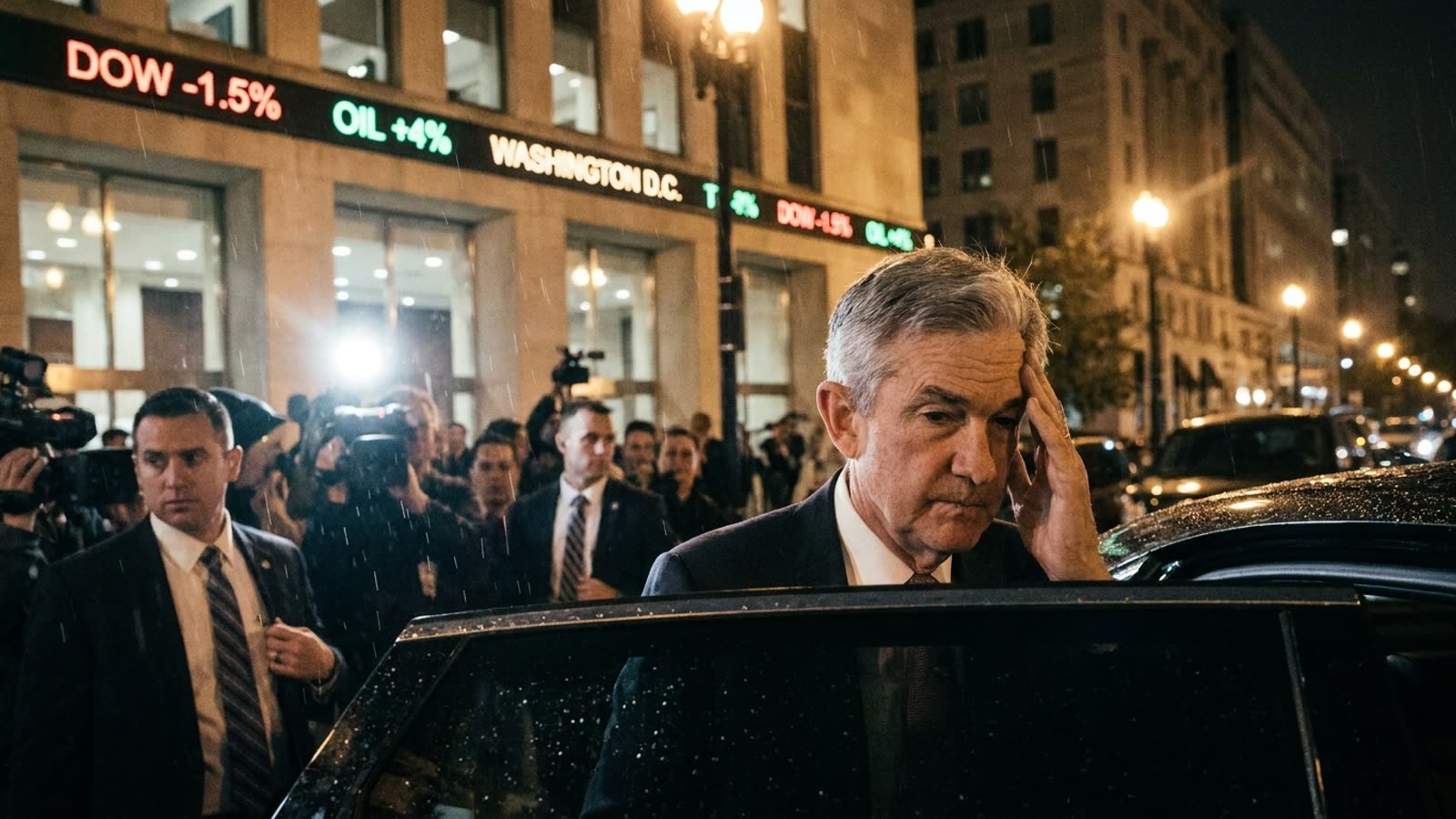
This is the scenario Chair Jerome Powell has been hoping for. The central bank's communications have emphasized data-dependency to the point of cliché, but a soft core read gives the FOMC cover to hold rates steady at its next meeting while still sounding vigilant about headline risks. Hawks can point to the 4% topline; doves can point to the 0.2% core. Everyone gets to claim vindication.
The oil problem hasn't vanished
None of this means the inflation story is over. Energy prices remain elevated and volatile, and the geopolitical conditions driving them—supply uncertainty in the Persian Gulf, production cuts from OPEC+—show no signs of resolving. If oil stays above $90 a barrel through summer, headline inflation will keep printing ugly numbers regardless of what services and goods prices do.
The risk is that consumers and businesses eventually stop distinguishing between headline and core the way economists do. Inflation expectations, once unanchored, are notoriously hard to re-anchor. The Fed's credibility rests on convincing everyone that the underlying trend is what counts—a messaging challenge that gets harder every time someone fills up their gas tank.
Our take
The May CPI report is a reprieve, not a resolution. Core inflation behaving itself buys the Fed time, but time is not the same as victory. The central bank still faces an economy where labor markets remain tight, fiscal policy remains expansionary, and energy shocks can reignite price pressures overnight. Powell will take the win, but he knows better than to celebrate. The next few months will determine whether this soft print was a trend or a head-fake—and markets will be watching every decimal point.