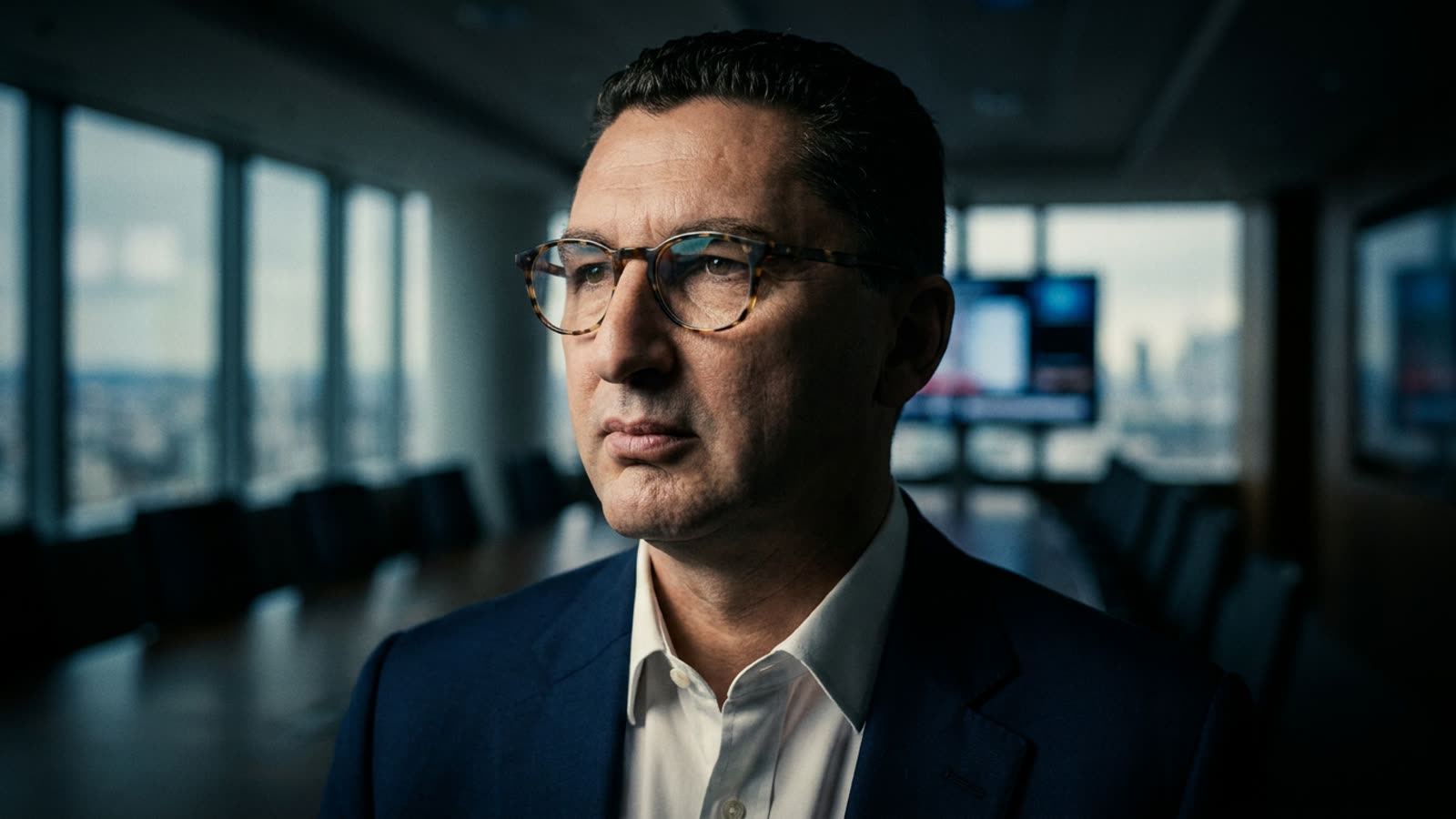
The quiet part is now very loud. Canal+ chief executive Maxime Saada has announced he will refuse to work with actors and filmmakers who signed an open letter opposing Vincent Bolloré, the conservative billionaire who controls the French media giant. Among those now persona non grata: Juliette Binoche, Adèle Haenel, and dozens of other prominent French cultural figures who dared to question whether one man's political agenda should shape their national cinema.
This is not a labor dispute or a contract negotiation. It is a media executive explicitly punishing artists for political speech—and doing so on the record, without apparent concern for the optics.
The Bolloré question
Vincent Bolloré has spent the past decade assembling a media empire that spans publishing, television, and advertising across France and beyond. His outlets have drifted rightward, platforming voices that critics describe as nationalist and Eurosceptic. The open letter Saada now treats as a blacklist was signed by artists who argued that Bolloré's consolidation threatens editorial independence and cultural pluralism.
Their concerns were not fringe. French regulators and EU officials have raised similar questions about concentration in the country's media landscape. But Saada's response reframes legitimate criticism as disloyalty—a framing more familiar from state broadcasters in illiberal democracies than from a premium European network.
Why this matters beyond France
Canal+ is not a minor player. It remains one of Europe's most significant film financiers, a gatekeeper for French cinema's pipeline to international audiences. If major talents are systematically excluded from its productions, the economic and creative consequences will ripple through Cannes, the César Awards, and co-production deals across the continent.
The precedent is equally chilling. Media consolidation is accelerating globally, and owners with strong ideological commitments—left or right—are increasingly willing to use their platforms as instruments of political influence. Saada's declaration offers a template: sign a petition, lose your career.
The talent's dilemma
Binoche and Haenel are established enough to survive a Canal+ freeze. Younger artists are not. The blacklist threat creates a climate where emerging filmmakers and actors must weigh every public statement against potential professional exile. Self-censorship, not formal censorship, is how these dynamics typically operate.
French unions and industry guilds have condemned Saada's remarks, but their leverage is limited. Canal+ controls too much of the domestic market for a boycott to be practical. The question now is whether European regulators or competing financiers will step into the breach—or whether silence will be the safer career choice.
Our take
Saada's announcement is a stress test for European cultural institutions, and so far, they are not passing. A media executive should not be able to blacklist artists for political speech without facing meaningful consequences—regulatory scrutiny, advertiser pressure, talent solidarity, something. The fact that he felt comfortable saying this out loud suggests he expects none of those things. That confidence should alarm anyone who believes a healthy democracy requires a media ecosystem where dissent is not a fireable offense.