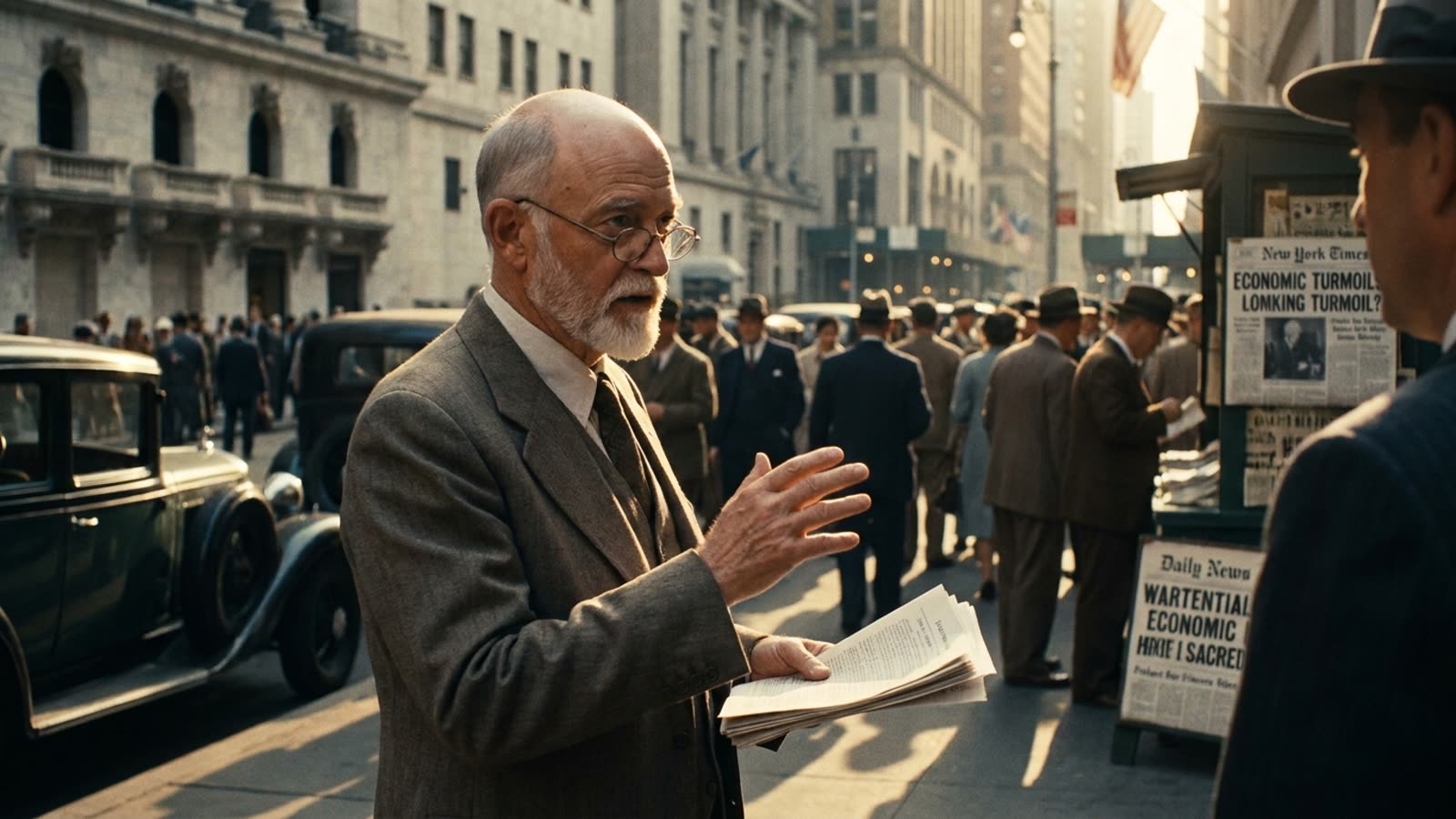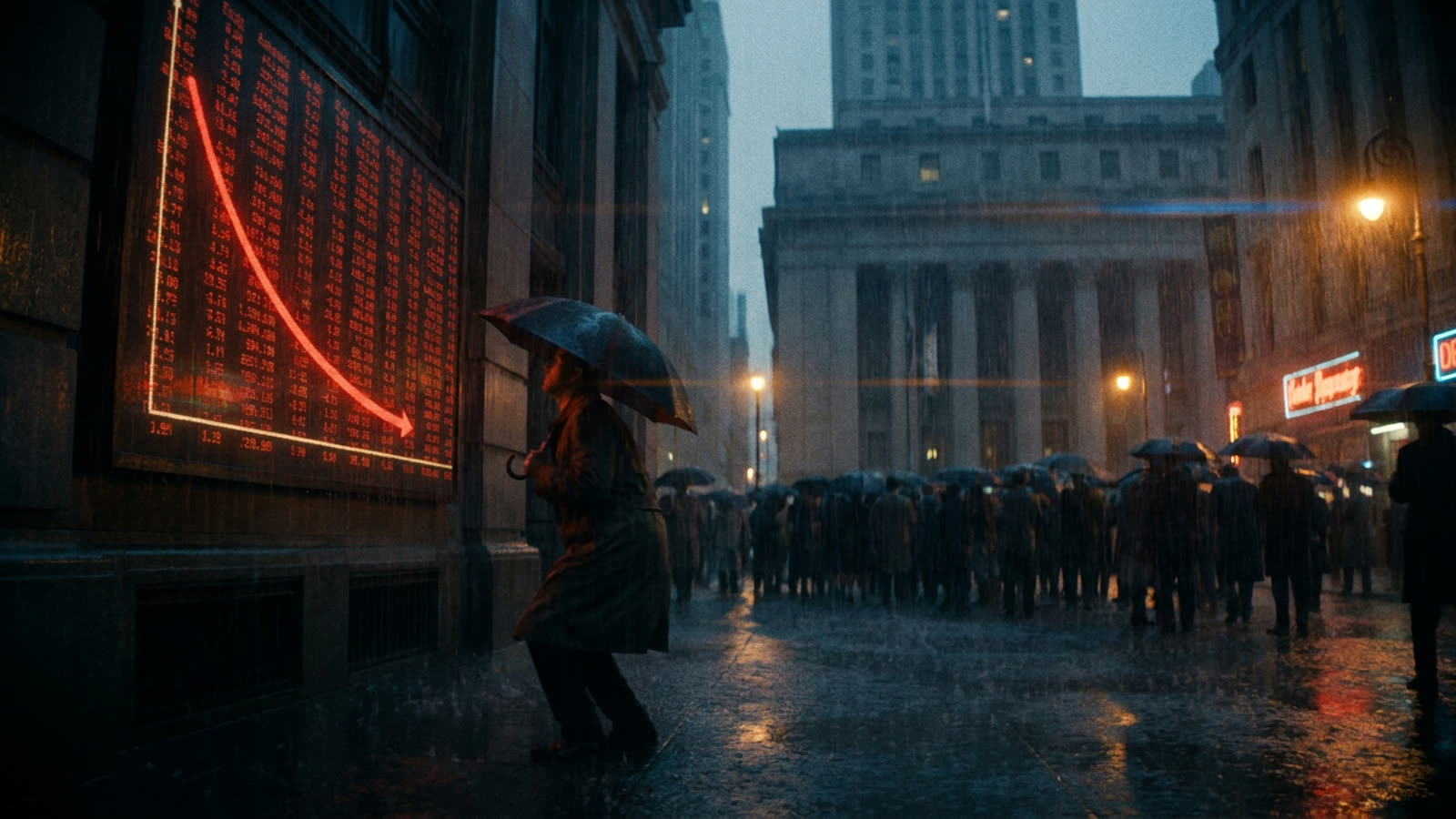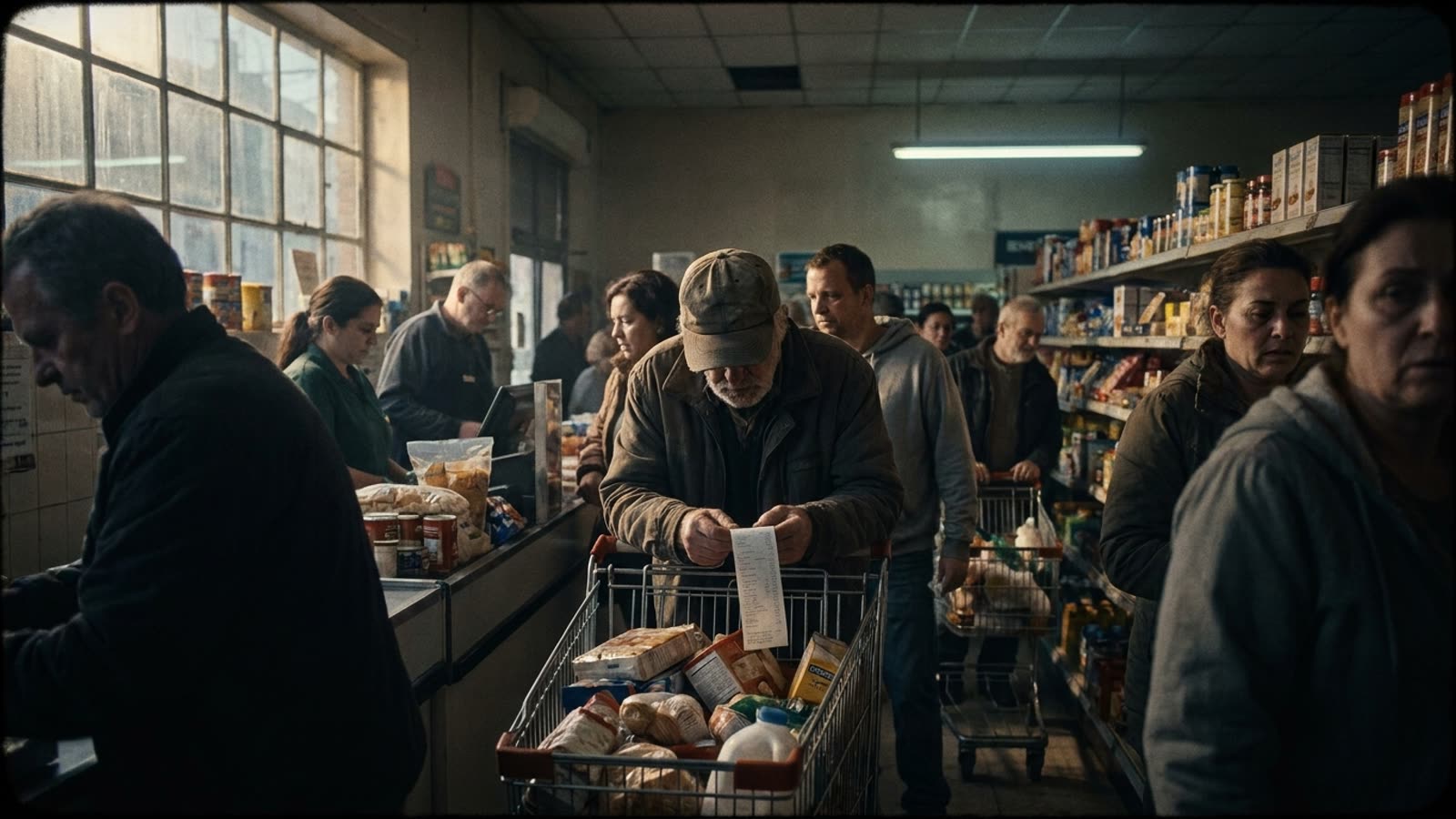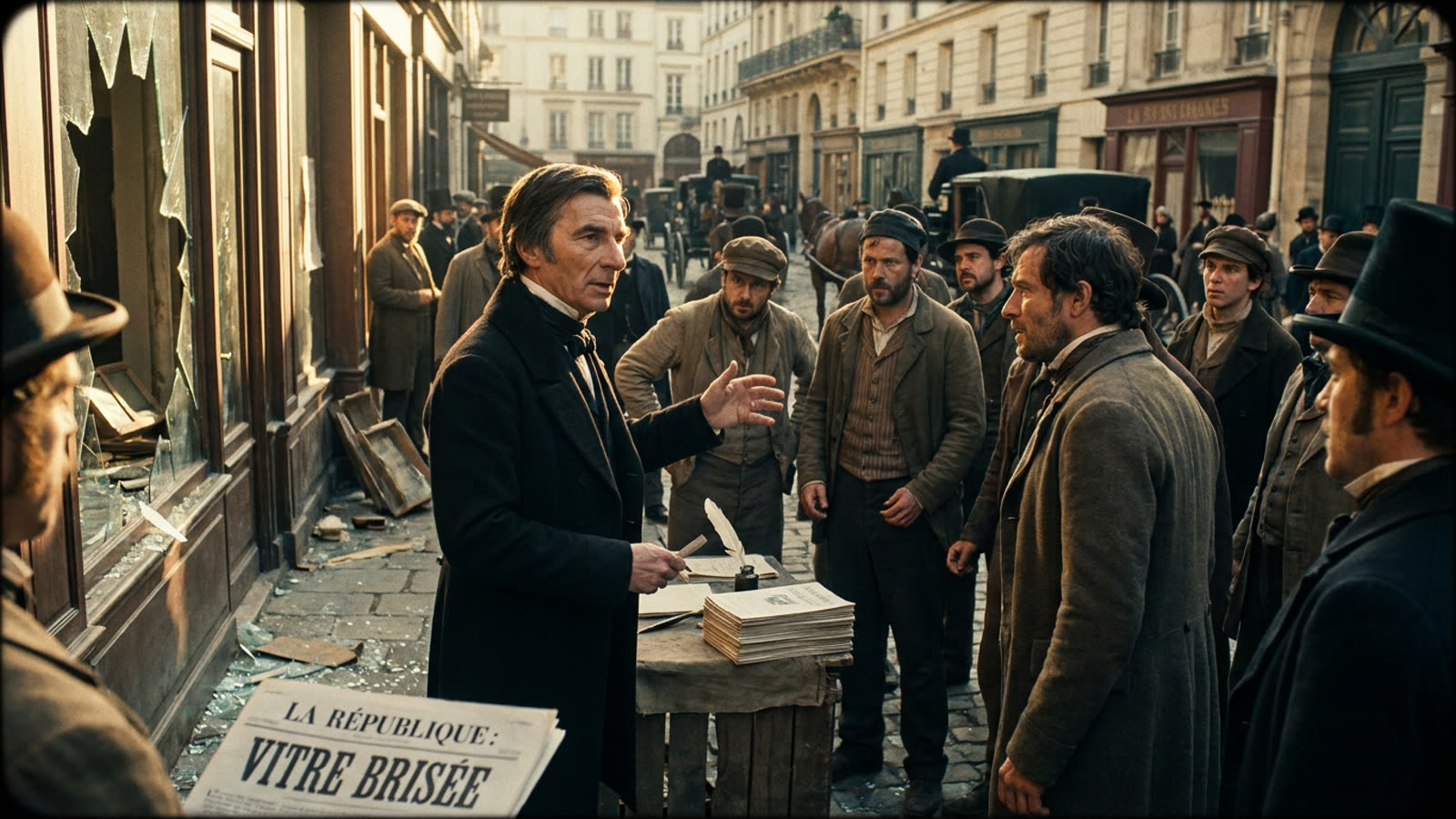
Every natural disaster brings the same chorus: rebuilding will boost GDP, construction workers will spend their wages, and the local economy will emerge stronger than before. This logic feels intuitive and sounds vaguely Keynesian. It is also completely wrong, and a French economist explained why in 1850 with nothing more than a hypothetical broken window.
Frédéric Bastiat's essay "That Which Is Seen, and That Which Is Not Seen" introduced what later economists would call the broken window fallacy. The setup is simple: a shopkeeper's son breaks a pane of glass. Onlookers console the father by noting that the glazier will now earn six francs, which he will spend elsewhere, stimulating the economy. Everyone can see this chain of transactions. What they cannot see is what the shopkeeper would have done with those six francs had the window remained intact—perhaps buying new shoes, or a book, or saving toward an expansion. The glazier's gain is the cobbler's loss. Society has one fewer window and no additional wealth.
Why the fallacy persists
The broken window endures because visible spending is emotionally satisfying while invisible opportunity costs are abstract. When a hurricane flattens a coastal town, cameras capture the lumber deliveries and the crews hammering new roofs. No camera captures the family vacation that was cancelled, the small business that delayed hiring, or the retirement account that was raided. Economists call this the seen versus the unseen, and human psychology heavily favours the seen.
Politicians and pundits exploit this asymmetry routinely. Military spending, stadium subsidies, and infrastructure projects are defended not on their intrinsic merits but on the jobs they create—as if the taxes funding them would otherwise evaporate rather than flow toward private consumption and investment. Bastiat's insight is not that public spending is always wasteful; it is that the burden of proof belongs to the spender, who must demonstrate that the chosen use exceeds what the market would have produced.
The fallacy in modern dress
Consider the recurring claim that wars are good for economies. World War II did coincide with the end of the Great Depression in the United States, but correlation is not causation. The war mobilised idle resources and suspended normal consumption, channelling output into tanks and bombs that were then destroyed. Citizens emerged with savings they could finally spend, but the prosperity came from pent-up demand and productivity gains, not from the destruction itself. Europe and Japan, where the physical devastation was immense, required years of painful reconstruction to return to pre-war output levels. No serious historian argues that Berlin was economically better off for having been flattened.
The fallacy also haunts debates about automation. When machines replace workers, commentators lament the lost wages without celebrating the freed-up labour and lower prices that allow consumers to spend elsewhere. Bastiat would recognise the pattern: the displaced factory hand is seen, the new jobs enabled by cheaper goods are not.
Our take
Bastiat's little parable is not a cudgel against all government action; it is a demand for intellectual honesty. Every franc, dollar, or yuan spent by the state is a franc not spent by a citizen on something else. That trade-off may be worthwhile—roads, courts, and defence have genuine public-goods characteristics—but pretending the trade-off does not exist is the economic equivalent of believing in perpetual motion. The broken window fallacy is elementary, which is precisely why its persistence is so damning. Nearly two centuries later, the seen still dazzles while the unseen goes begging for attention.