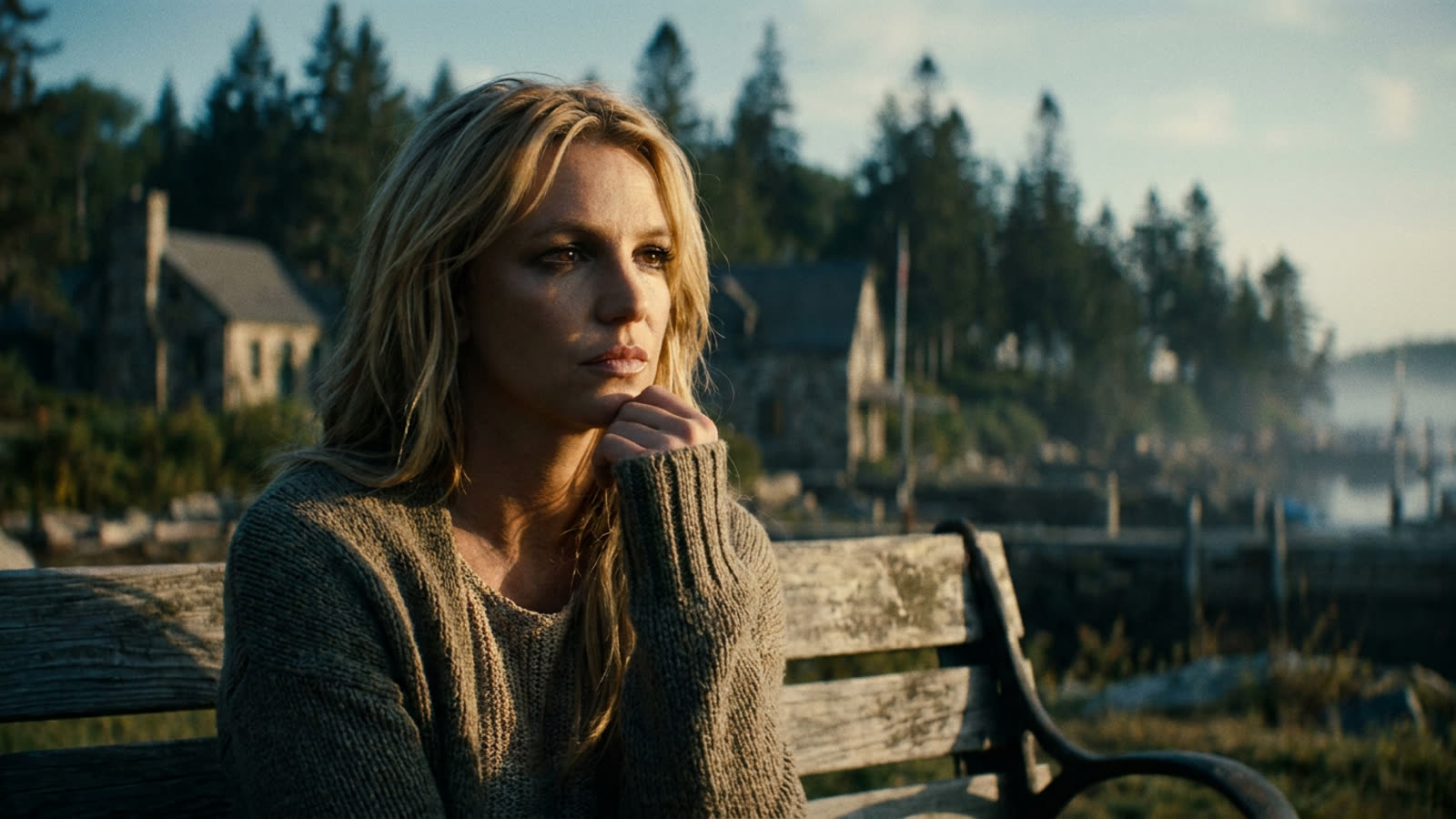
Britney Spears has never been good at hiding. She is arguably the most photographed woman of the last twenty-five years. So when TMZ reported Friday that the pop star spent weeks inside a private treatment center in Camden, Maine — population 4,800 — without a single paparazzi photo escaping, it felt less like a leak and more like a miracle.
The facility is Borden Cottage, a 14-acre residential treatment estate tucked into the coast about two hours north of Portland. It specializes in what clinicians call dual-diagnosis care — the simultaneous treatment of substance use disorders and underlying mental health conditions. For Britney, sources told TMZ, that combination has been the knot no one could untie for twenty years.
Why Maine, and why now
The trigger was her March DUI arrest in Los Angeles, a night that ended with her hatchback clipping a concrete divider on the 101 and a field sobriety test that went viral within the hour. The arrest forced the conversation her family had been trying to have since her conservatorship ended in 2021. This time, according to two people familiar with the planning, it was Britney herself who made the call to go.
She did not want California. She did not want Arizona. She wanted somewhere the helicopters could not follow. Borden Cottage, which advertises private suites, chef-prepared meals, a pool, and an art studio, fit the brief. It also came with something Britney has almost never had access to as an adult: anonymity.
The twenty-year knot
Everyone in Britney's orbit has had a theory about what she needs. Her father thought she needed control. Her mother thought she needed medication. Justin Timberlake, in a 2011 interview everyone has chosen to forget, thought she needed a better publicist. What Britney apparently needed, at forty-four, was two weeks in a small town in Maine and a therapist who did not recognize her at the intake.
The dual-diagnosis model is not new, but it has become the gold standard for patients whose addictions are tangled with mood disorders, complex trauma, or both. Clinicians treat the substance use and the psychiatric condition together rather than in sequence, because treating one without the other almost always fails. For a woman whose adult life has been a public laboratory in what happens when you treat the addiction, ignore the trauma, and hand the bill to a documentary crew, it is a staggeringly overdue approach.
The post-conservatorship question
The story Britney's fans have been waiting to read for five years is whether she can be free and well at the same time. The conservatorship answered the second question by eliminating the first. The post-conservatorship era has answered the first by leaving the second open. Maine, quietly, is the first real attempt to answer both.
She has already left the facility, according to TMZ, but her team is reportedly planning continuing outpatient care closer to home. For the first time in a long time, the next chapter does not have a release date.
Our take
The fact that Britney Spears spent two weeks at a rehab in Maine and the internet didn't find out until after she left is, by itself, a form of victory. The actual treatment matters more than the optics — but for a woman whose every breakdown has been livestreamed since she was sixteen, a quiet recovery is a political act. We hope the next headline about her is one she writes herself.