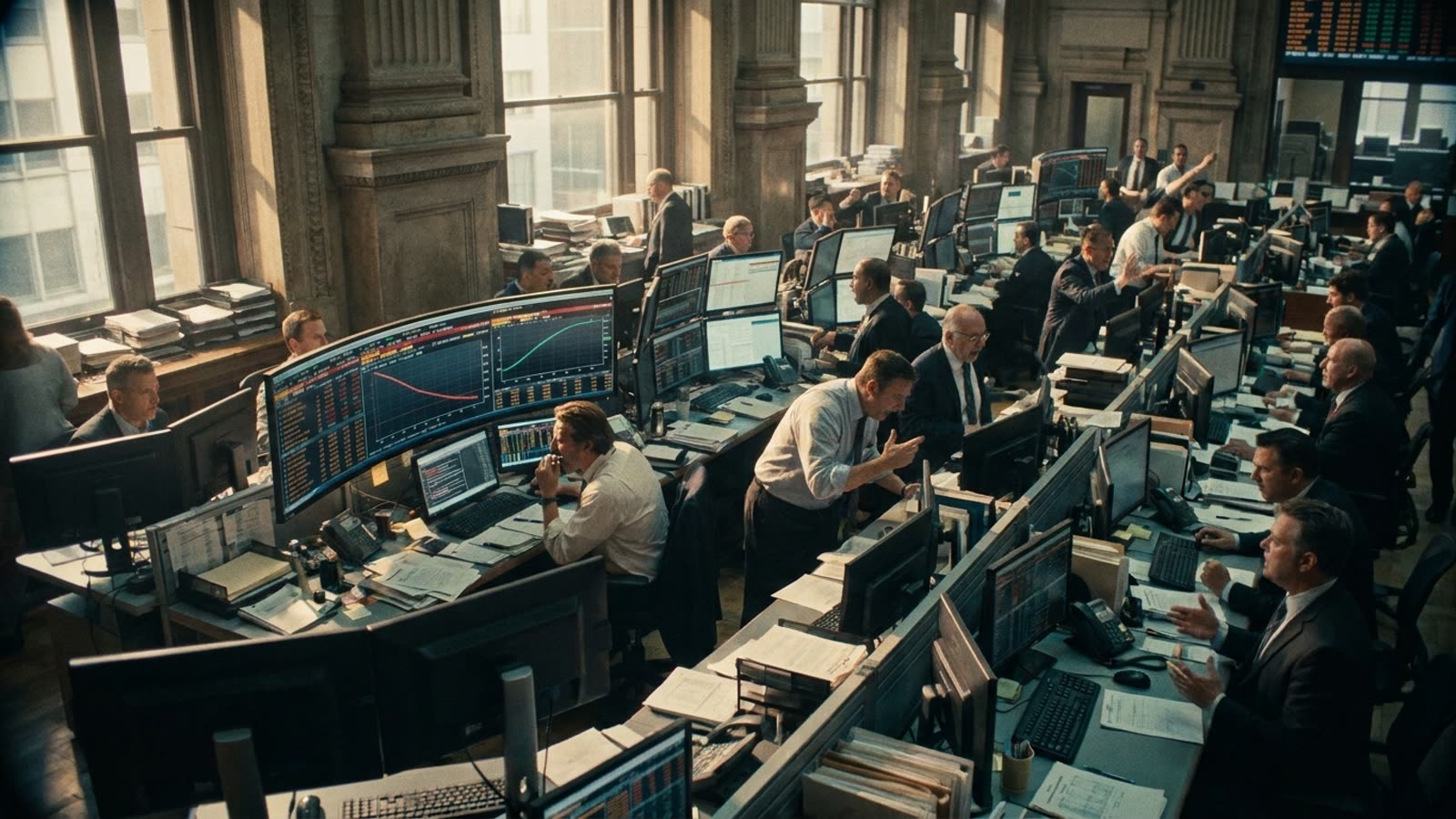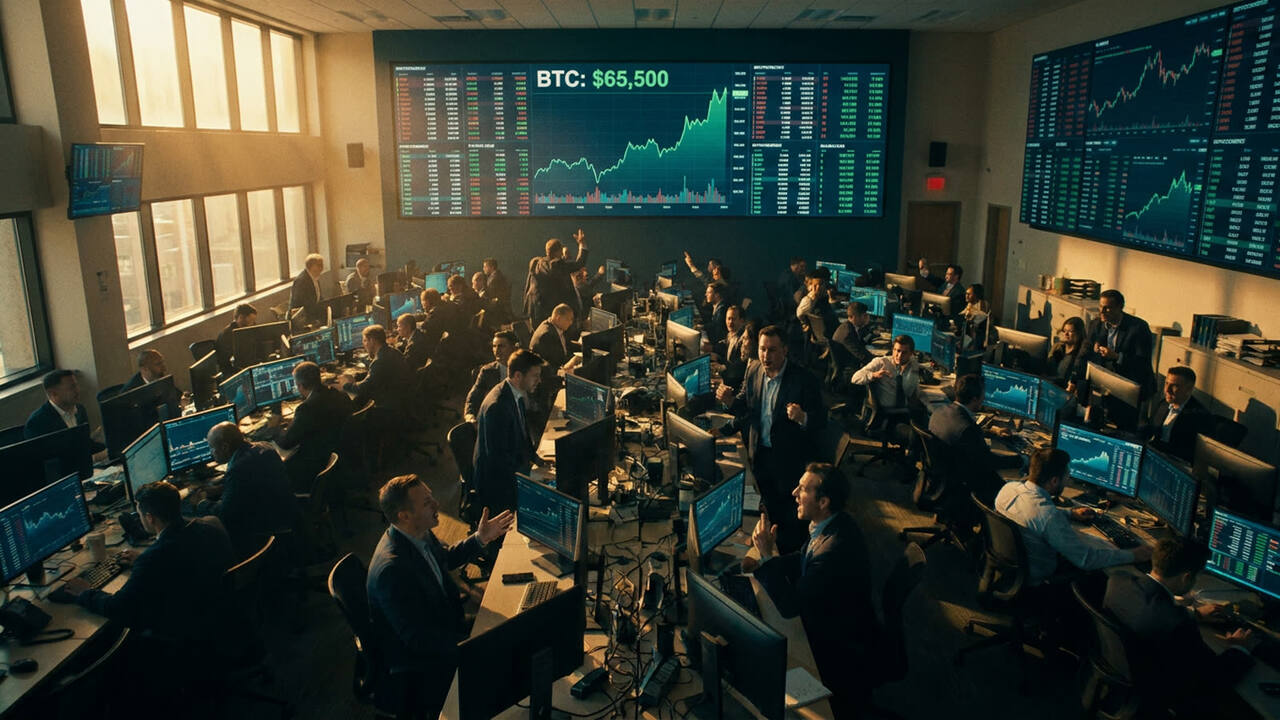
For years, Bitcoin maximalists have insisted their asset is a hedge against chaos — digital gold for a world on fire. This week's price action tells a different story. As the US-Iran nuclear framework sent crude tumbling and equity futures climbing, Bitcoin broke above $65,500 for the first time in two weeks, moving in lockstep with the very risk assets it supposedly diversifies against.
The pattern is familiar to anyone who watched crypto during the 2020-2021 liquidity surge: when fear recedes and capital seeks yield, Bitcoin catches a bid. When genuine crisis arrives — actual war, actual contagion — it sells off alongside everything else. The Iran deal, by removing a significant tail risk from global markets, has triggered exactly the reflexive rally that correlation-aware traders expected.
The macro mechanics
The transmission mechanism is straightforward. Lower oil prices reduce inflation expectations. Reduced inflation expectations ease pressure on central banks to maintain restrictive policy. Easier policy, or even the anticipation of it, lifts all boats — equities, credit, and speculative assets including crypto. Bitcoin's move above $65,500 is less a statement about its unique properties than a reflection of this broader repricing of risk.
What makes this rally notable is its speed. Within hours of the deal's announcement, Bitcoin had recaptured territory it lost during the May volatility. The move suggests that crypto markets, for all their retail mythology, are now dominated by sophisticated actors running macro playbooks indistinguishable from those in traditional finance.
The gold comparison, revisited
Gold, by contrast, barely moved. The yellow metal has spent decades building its reputation as a genuine hedge — rising during the 2008 crisis, the 2011 European debt scare, and the 2020 pandemic panic. Bitcoin has no comparable track record. Its largest drawdowns have coincided with exactly the moments when hedges are supposed to shine.
This is not necessarily a criticism. A high-beta risk asset can be a perfectly sensible portfolio allocation for investors seeking upside exposure. But it requires abandoning the "digital gold" narrative that has powered so much of crypto's institutional marketing. Bitcoin is not a hedge against disorder; it is a bet that disorder will not arrive.
Our take
The Iran deal rally is a useful reminder that Bitcoin's price movements are now almost entirely explained by the same factors that drive the Nasdaq: liquidity conditions, risk appetite, and the path of monetary policy. This is what institutional adoption looks like — not a new asset class with uncorrelated returns, but a familiar one with extra volatility. Investors who bought Bitcoin expecting shelter from geopolitical storms have purchased the opposite. Those who bought it as a leveraged play on global growth may yet be vindicated, provided the calm persists.