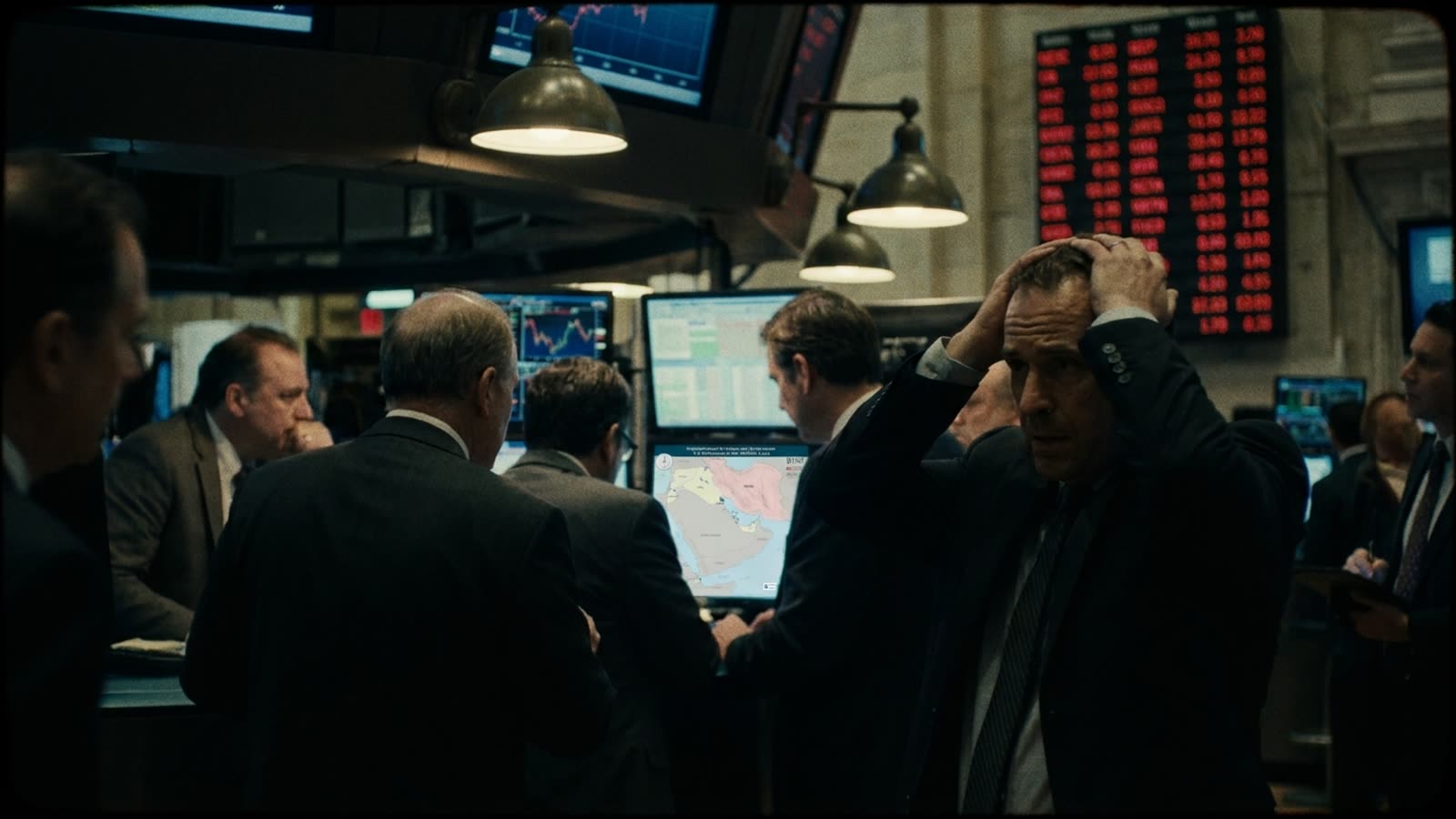
For years, the pitch was elegant in its simplicity: when central banks tighten, hold bitcoin or gold—preferably both—and watch paper assets suffer while your hedges shine. That thesis met its quietest, most devastating refutation this week, as both assets fell in tandem while rate-hike expectations surged. The correlation that wasn't supposed to exist has arrived, and it raises uncomfortable questions about what, exactly, investors thought they were buying.
The immediate trigger is familiar enough. Federal Reserve officials have spent the past fortnight walking back any suggestion that the tightening cycle is over, and futures markets have responded by pricing in at least one more quarter-point increase before year-end. Treasury yields climbed accordingly. What followed was not the textbook flight to alternative stores of value but a synchronized retreat: bitcoin dropped below $60,000 for the first time since late 2024, while gold slid to its lowest level in three months.
The correlation nobody wanted
The uncomfortable truth is that both assets have become creatures of the same liquidity environment they were supposed to escape. When real rates rise, the opportunity cost of holding non-yielding assets—whether digital or metallic—increases in lockstep. Institutional allocators, who now dominate flows into both markets, treat them as risk-on positions to be trimmed when borrowing costs climb. The result is a correlation coefficient that has crept toward 0.7 over the past quarter, a level that makes diversification arguments look faintly ridiculous.
Gold bugs will protest that the yellow metal has survived millennia of monetary regimes, and they are not wrong. But survival is not the same as hedging. An asset that falls 4% when the thing you fear most—tighter money—actually materializes is not a hedge; it is a bet dressed in hedging language. Bitcoin maximalists face a sharper version of the same problem. The digital-scarcity narrative assumes that fiat debasement is the only risk worth insuring against. When the risk shifts to fiat appreciation—higher real rates, stronger dollars—the narrative offers no shelter.
What actually hedges rate risk
The honest answer is: almost nothing, cleanly. Short-duration Treasuries do the job mechanically, but they are not hedges so much as capitulations—you accept the rate environment rather than betting against it. Inflation-linked bonds work if inflation is the driver, but they suffer when real rates rise for other reasons. Commodities tied to physical demand—oil, copper—sometimes decouple, but they carry their own cyclical baggage. The search for a pure rate-hike hedge is, in practice, a search for a free lunch that markets have already priced away.
Our take
The death of the safe-haven thesis is not a tragedy; it is a correction. Bitcoin and gold are interesting assets with real use cases—censorship-resistant value transfer for one, industrial and jewelry demand for the other. What they are not, and never were, is magic insurance against monetary policy you dislike. Investors who bought them as hedges were buying stories, and stories do not pay coupons when the Fed raises rates. The sooner portfolios reflect that reality, the fewer surprises they will contain.