For years, Bitcoin evangelists promised that the world's largest cryptocurrency would function as digital gold—a store of value that would rise when traditional markets panicked and central banks lost credibility. That thesis took a sledgehammer to the face this week as Bitcoin plunged below $60,000 for the first time since late 2024, driven by the very monetary policy uncertainty it was supposed to transcend.
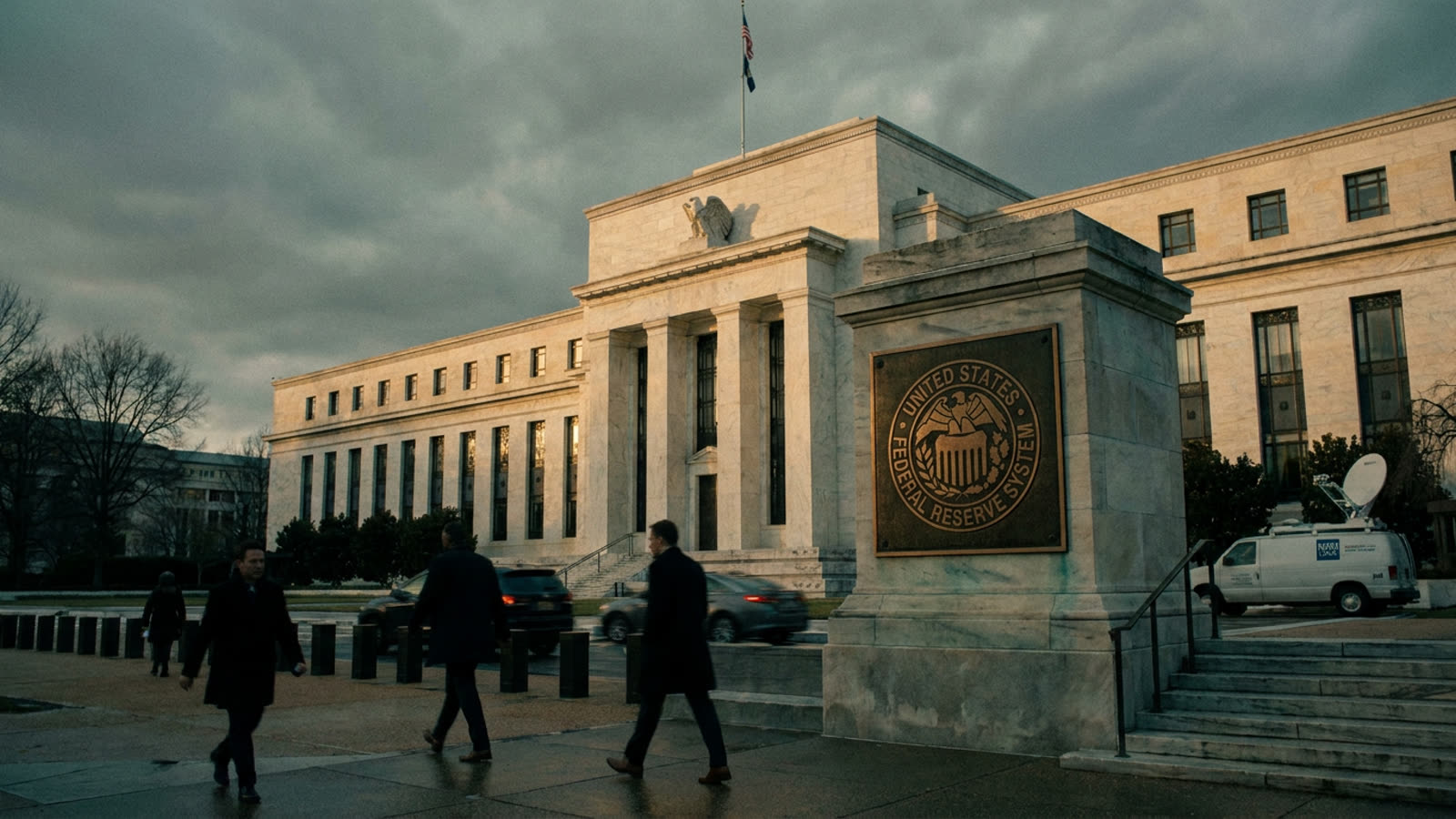
The proximate cause is familiar: markets are now pricing in the possibility that the Federal Reserve will not only delay rate cuts but may need to raise rates again if inflation continues accelerating. The May CPI print, due within hours, has traders bracing for another hot number. BlackRock's latest note warned of an "energy shock" scenario that could push headline inflation back toward 4 percent. In this environment, risk assets are getting crushed—and Bitcoin is behaving exactly like a risk asset.
The correlation problem nobody wants to discuss
Bitcoin's correlation with the Nasdaq has been the industry's dirty secret for years. When tech stocks fall, Bitcoin falls harder. When liquidity tightens, Bitcoin bleeds. The theoretical case for Bitcoin as an inflation hedge rests on its fixed supply of 21 million coins, but markets don't trade on supply schedules—they trade on flows. And when the Fed signals tighter policy, flows leave speculative assets first.
The irony is exquisite. Bitcoin was born from the 2008 financial crisis as a rebuke to central bank money-printing. Its founding myth involves protection from currency debasement. Yet here we are in 2026, watching Bitcoin crater not because the Fed is printing too much money, but because the Fed might keep money too tight for too long. The asset that was supposed to thrive on monetary dysfunction is instead being destroyed by monetary hawkishness.
What the price action reveals
The break below $60,000 is technically significant. That level had served as psychological support through multiple corrections, and its violation suggests the buyer pool has thinned considerably. Institutional flows, which drove the 2024-2025 rally following the spot ETF approvals, appear to have reversed. The same BlackRock that championed Bitcoin ETFs is now warning about macro conditions that make risk assets toxic.
Meanwhile, Middle East tensions that might once have been cited as a reason to buy Bitcoin are instead accelerating the selloff. The dollar is strengthening on safe-haven demand—actual safe-haven demand, the kind that flows to the currency backed by the world's largest military and deepest bond market, not to a volatile digital token.
Our take
Bitcoin may yet prove its long-term value proposition, but the safe-haven narrative was always more marketing than reality. What we are witnessing is a market that behaves like leveraged tech equity with extra volatility—useful for speculation, perhaps, but not for the monetary hedge its advocates promised. The honest case for Bitcoin is that it is a bet on future adoption and network effects, not a bunker against financial chaos. The crash below $60,000 is just the market finally admitting what the correlation data showed all along.