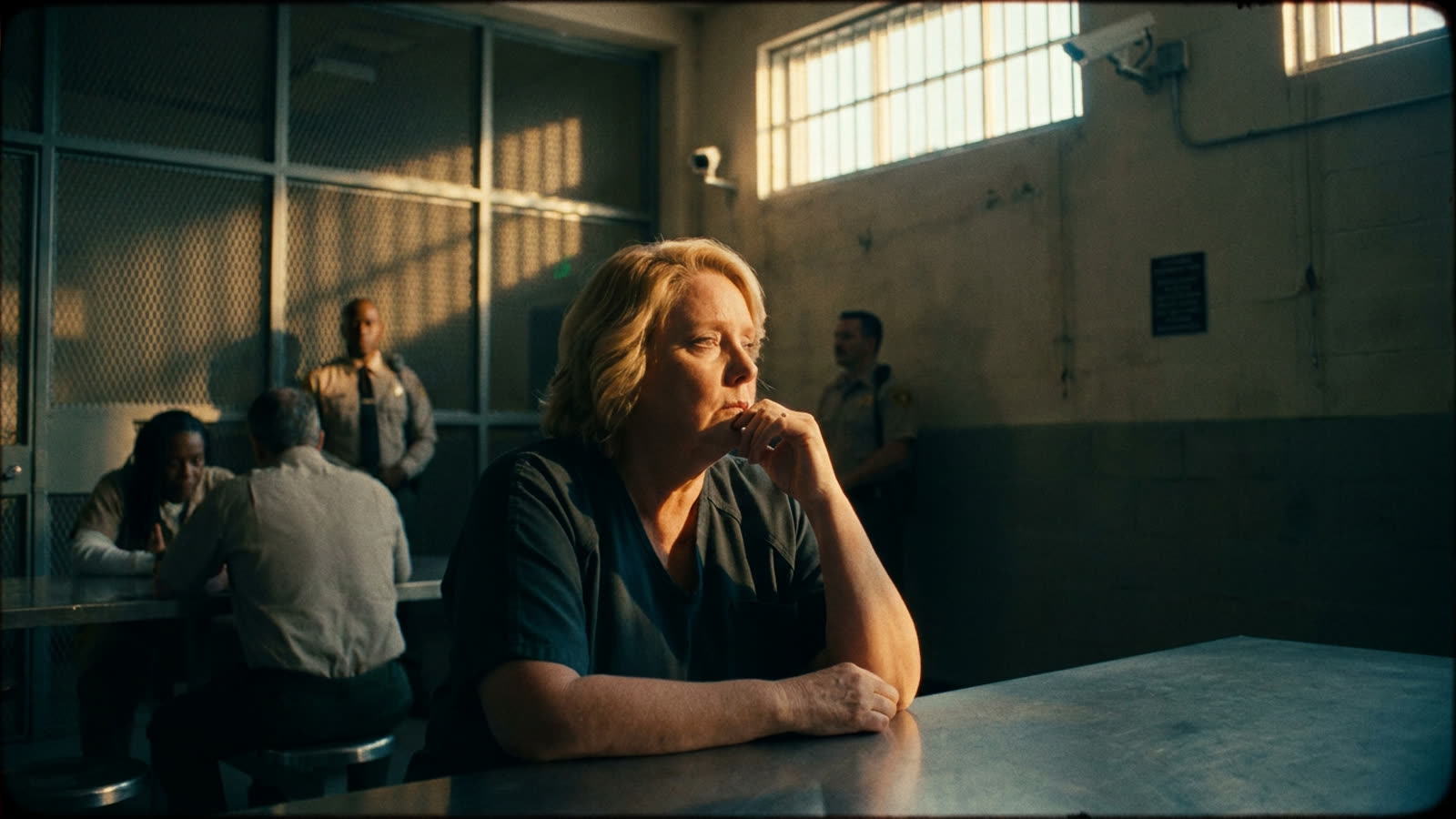
Betty Broderick killed her ex-husband Dan Broderick and his new wife Linda Kolkena in their bedroom on November 5, 1989, shooting them while they slept. Thirty-seven years later, she remains in the California Institution for Women, having been denied parole for the fourth time. The facts of her case have never been in dispute. What has changed, dramatically, is how America processes them.
The Broderick case predates the true crime industrial complex by decades, yet it anticipated nearly every trope the genre would come to fetishize: the wronged wife, the philandering husband, the younger replacement, the spectacular unraveling of upper-middle-class respectability. Betty's defense—that years of psychological abuse and financial manipulation by her attorney ex-husband drove her to temporary insanity—failed twice in court. It has succeeded spectacularly in the court of public opinion.
The streaming resurrection
USA Network's 2020 limited series "Dirty John: The Betty Broderick Story," starring Amanda Peet, introduced the case to a generation that hadn't been alive when Betty drove to Dan and Linda's Hillcrest home with a .38 revolver. The show's sympathetic framing—lingering on Dan's cruelties, his gaslighting, his systematic financial strangulation of his ex-wife—prompted a wave of social media advocacy for Betty's release. Petitions circulated. Podcasts proliferated. The hashtag #FreeBetty gained traction among viewers who saw her not as a murderer but as a victim who snapped.
This reframing says less about Betty Broderick than about the cultural moment consuming her story. The rise of "coercive control" as a recognized form of domestic abuse, the #MeToo movement's excavation of institutional male power, and true crime's particular appetite for narratives of female vengeance have combined to make Betty a Rorschach test for contemporary anxieties about marriage, money, and the legal system's treatment of women.
The parole board's persistence
California's parole board has remained unmoved by the cultural reassessment. At her 2017 hearing, commissioners noted Betty's continued lack of remorse and her tendency to position herself as the victim. At subsequent hearings, the calculus hasn't changed: she killed two people in their bed, and she has never fully accepted responsibility in terms the board finds adequate. She is now 77 years old and has served more than three decades—longer than many convicted of similar crimes. Her supporters argue this constitutes cruel and unusual punishment. Her detractors note that she has had multiple opportunities to express the kind of accountability that might earn release, and has declined each time.
The Broderick children remain divided. Some have advocated for their mother's release; others have not. The family's fractures have themselves become content—interviews, documentaries, competing memoirs. The tragedy has been monetized from every conceivable angle.
Our take
Betty Broderick is neither the feminist avenger her online supporters imagine nor the cold-blooded killer prosecutors painted. She is a woman who committed premeditated murder after enduring genuine mistreatment, and who has spent nearly four decades paying for it while refusing to fully reckon with what she did. The true crime apparatus that has elevated her case treats her as a symbol when she is, in fact, a person—one whose story resists the clean narratives we prefer. That discomfort is precisely why we keep returning to it.