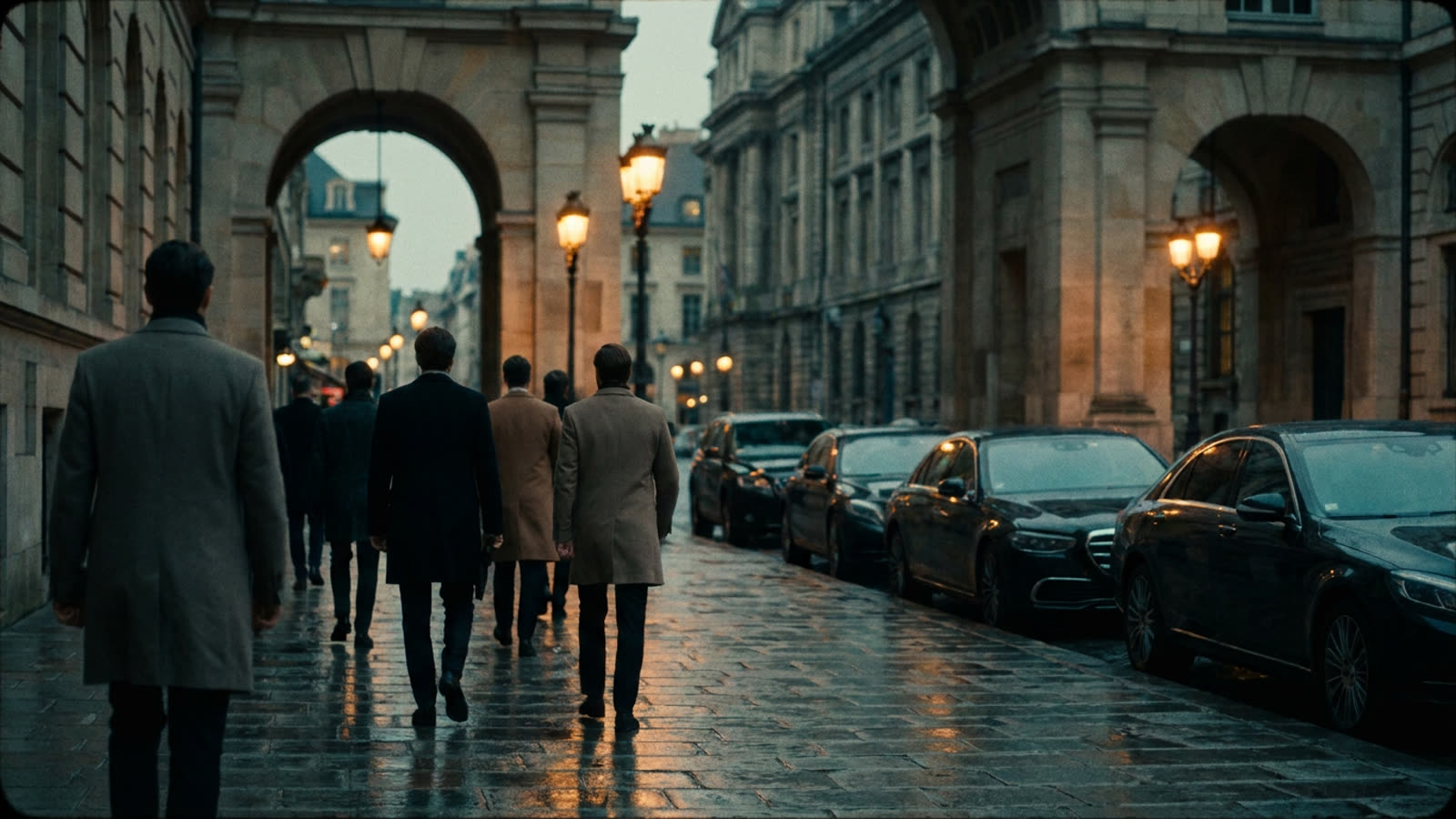
The waiting list at certain Parisian ateliers now stretches past eighteen months. The clients are not celebrities seeking promotional tie-ins or oligarchs furnishing superyachts. They are, increasingly, the quietly wealthy who have exhausted every other avenue of distinction and arrived at the same conclusion: in an age of infinite reproduction, the only true luxury is the unreproducible.
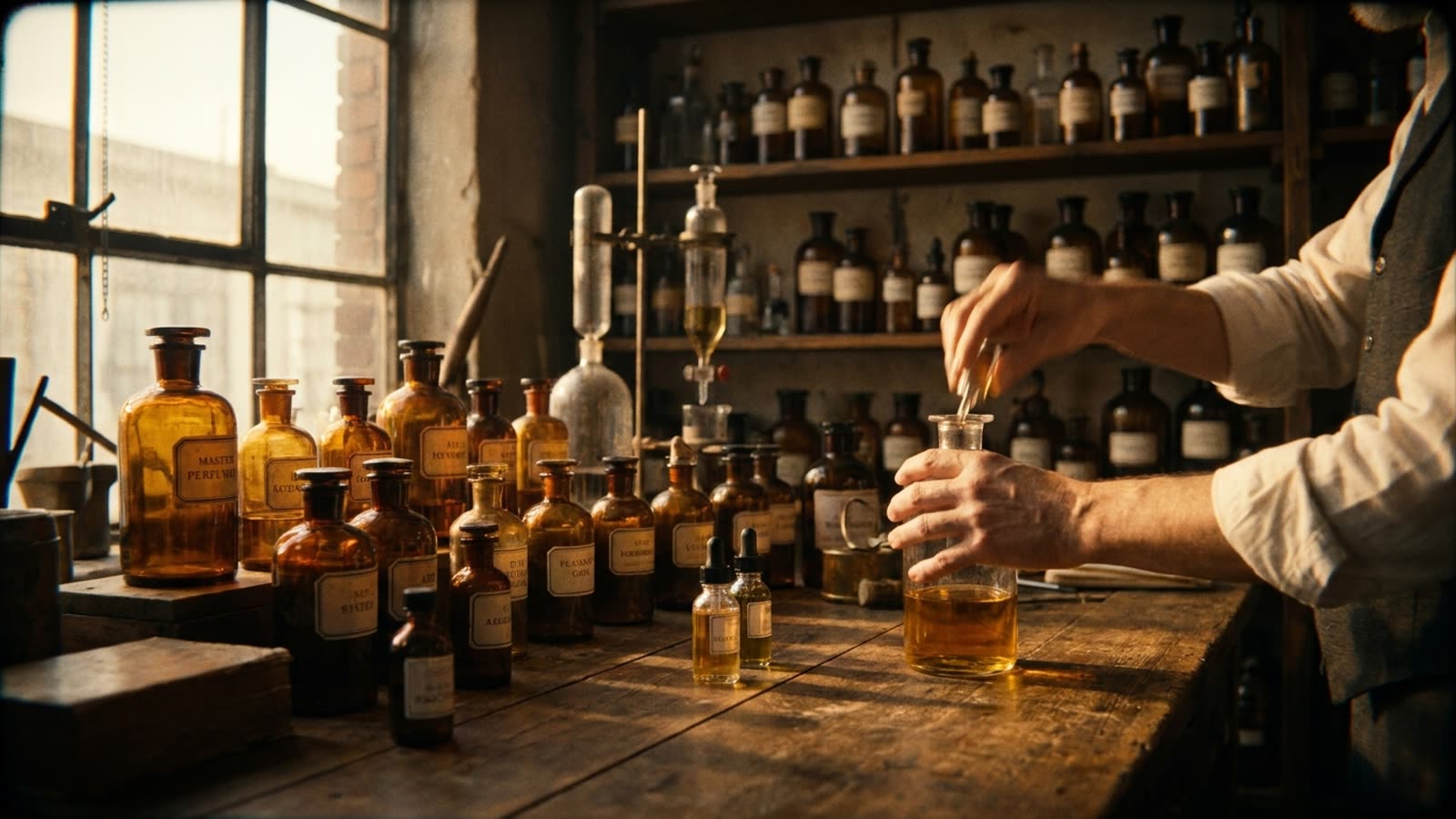
Bespoke fragrance — the creation of a scent formulated exclusively for a single individual, never to be sold or replicated — has existed for centuries. What has changed is its cultural positioning. Once the province of royalty and the genuinely eccentric, custom perfumery has become the final frontier for a generation of affluent consumers who find themselves owning the same Hermès bags, driving the same restored Defenders, and summering in the same Cycladic villas as everyone in their orbit.
The economics of exclusivity
A bespoke fragrance commission typically begins at fifteen thousand dollars and can climb into six figures for houses that insist on rare natural ingredients — oud aged for decades, iris butter extracted over years, ambergris of verifiable provenance. The process itself is deliberately slow. Clients undergo multiple consultations, sometimes spanning months, during which a perfumer constructs not merely a pleasant smell but a olfactory autobiography: the linden trees of a childhood summer, the particular mineral quality of water in a remembered place, the leather of a grandfather's study.
The business model inverts conventional luxury economics. Where most high-end brands extract margin through scale — selling aspiration to millions — bespoke houses extract margin through radical scarcity. A single client may generate more revenue than a thousand bottles of designer fragrance, with none of the marketing overhead. The constraint is talent: there are perhaps two dozen perfumers globally with both the technical skill and the client-facing temperament to command such commissions.
Why now
The surge in demand tracks neatly with the democratization of traditional luxury. When a handbag becomes a meme, when a watch appears on every finance professional's wrist, when even private aviation is available by the hour, the signifiers of wealth lose their signal. Scent, uniquely, cannot be photographed for Instagram or spotted across a restaurant. It operates in the intimate register — noticed only by those close enough to matter.
There is also something defensive in the appeal. A bespoke fragrance cannot be counterfeited because no one knows what it should smell like. It cannot be knocked off because the formula exists in a single vault. In a world of algorithmic recommendation and mass personalization, it represents genuine singularity.
Our take
The bespoke fragrance phenomenon is less about perfume than about the exhaustion of visible luxury. When everything can be bought, displayed, and copied, the wealthy retreat to pleasures that resist exhibition. It is a strange inversion: spending more to be noticed less. Whether this represents refined taste or merely a new species of competitive consumption is perhaps beside the point. The market has spoken, and it smells expensive.