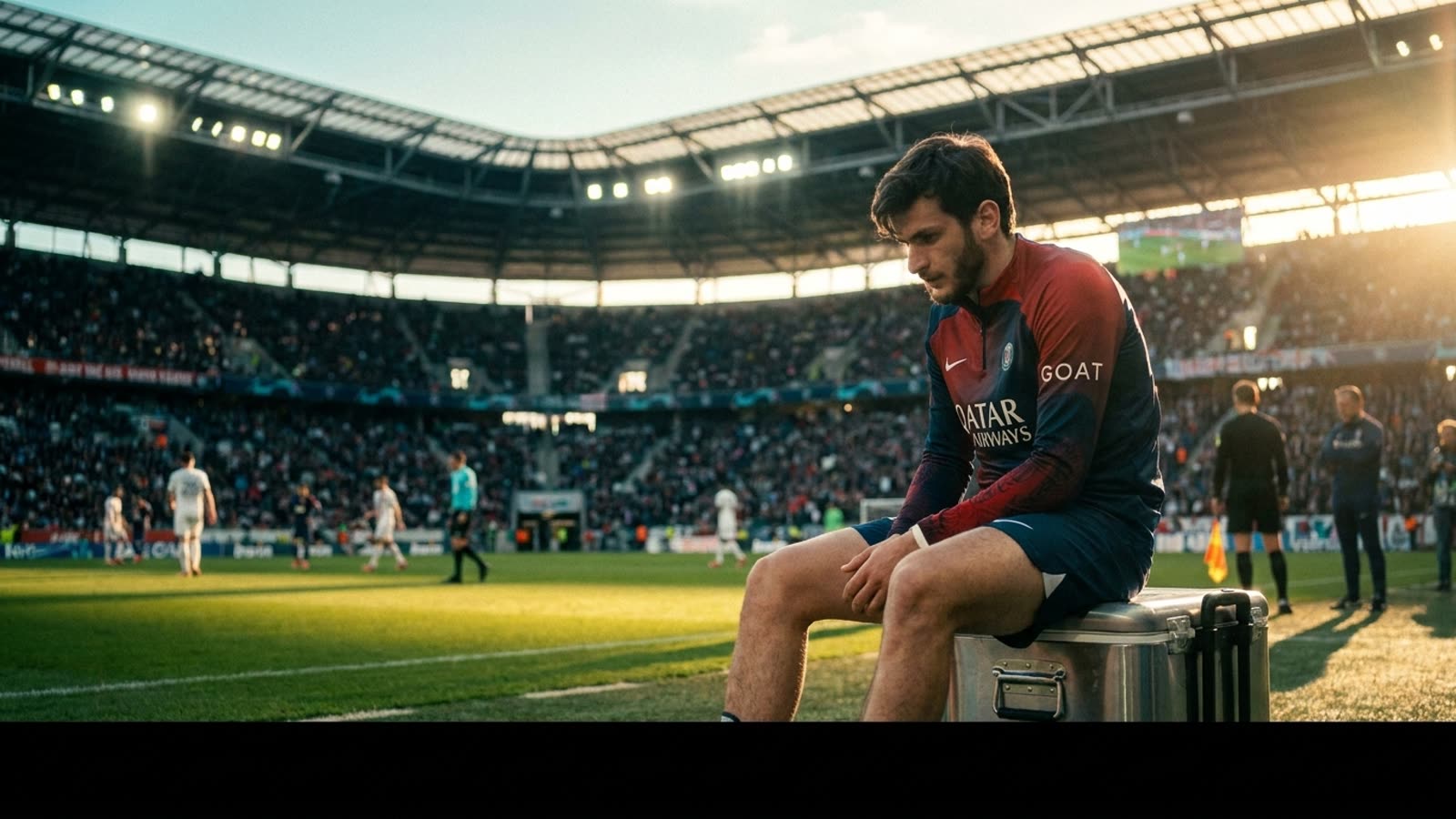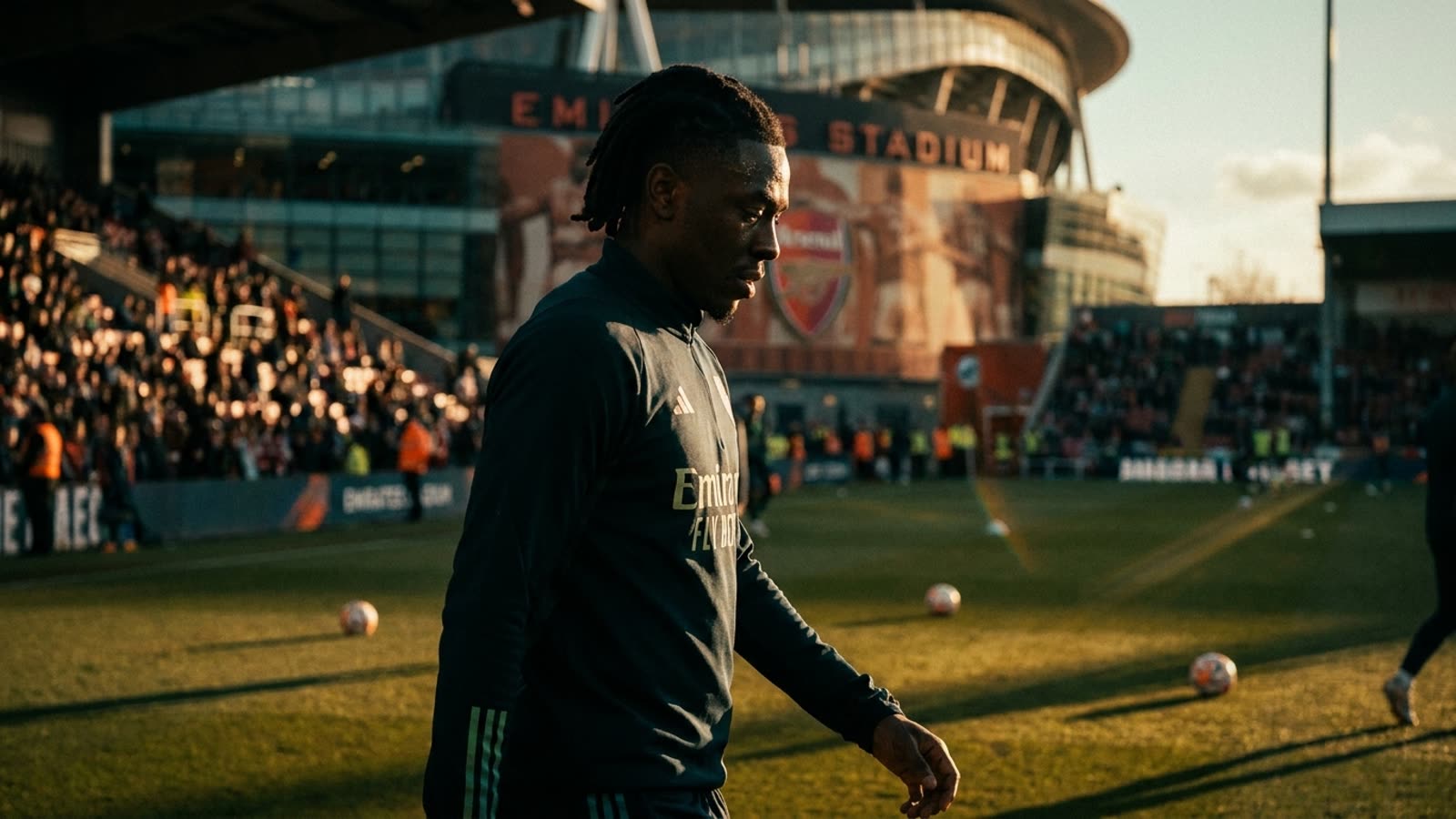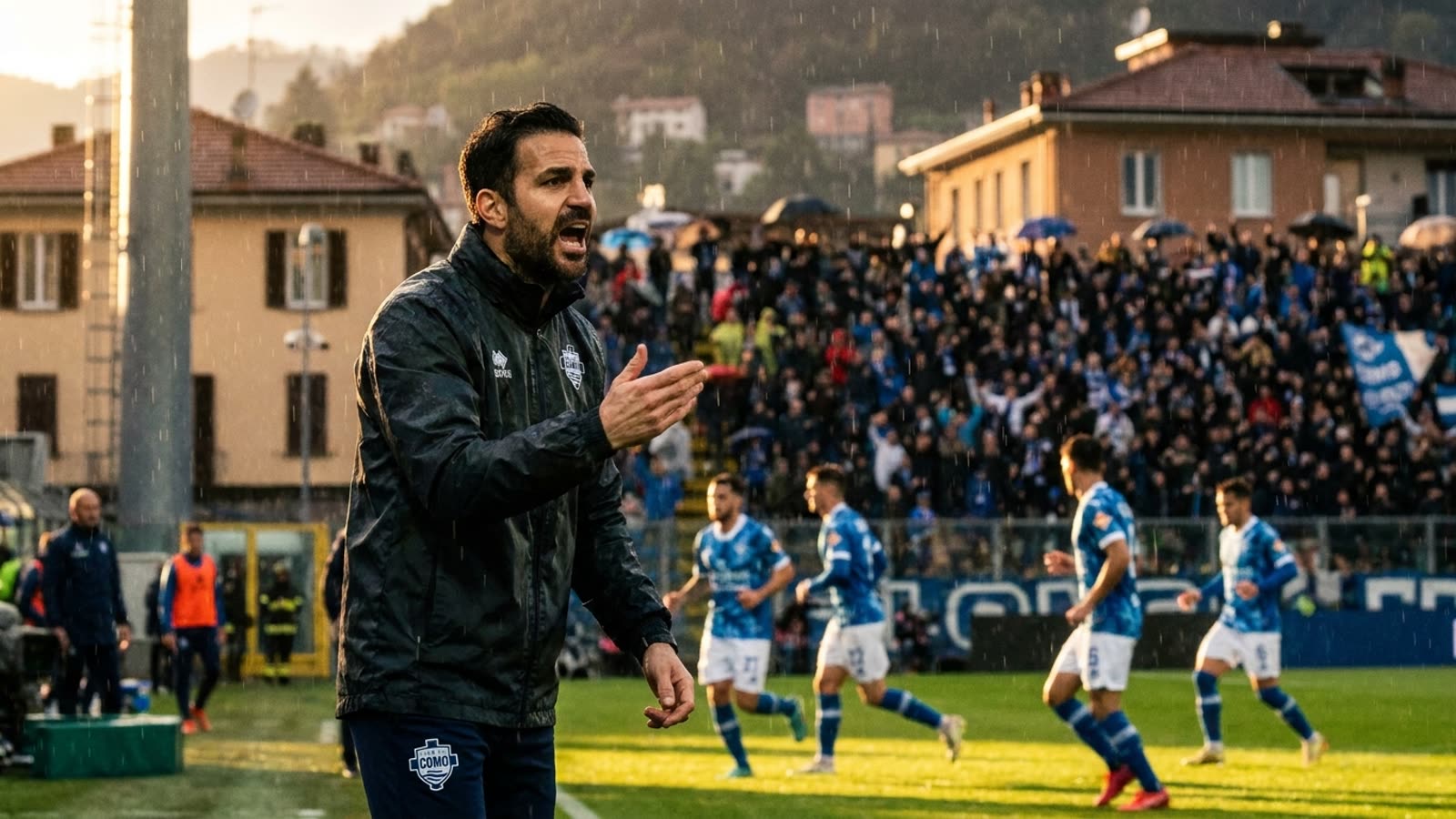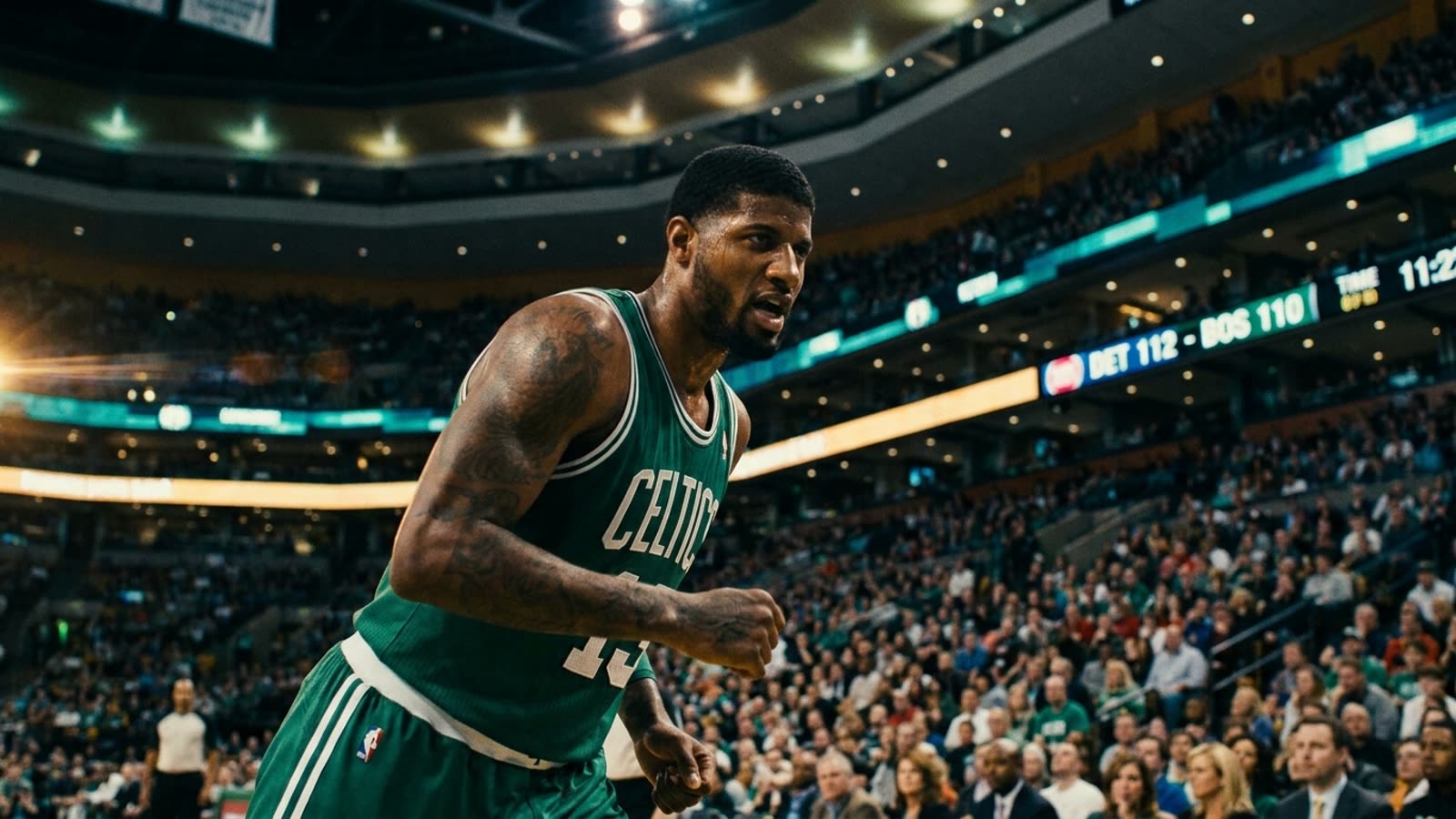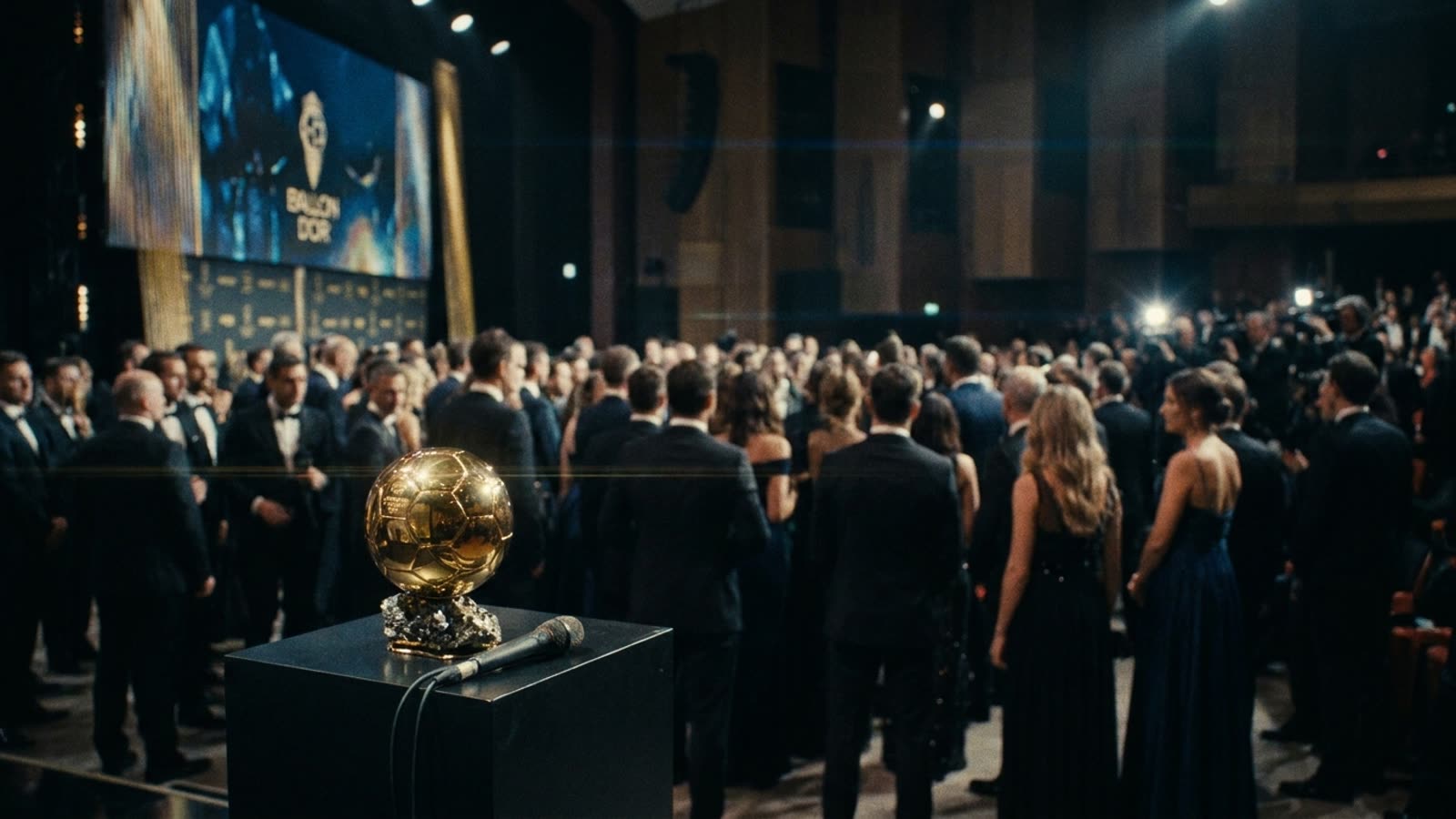
The quaint notion that the Ballon d'Or rewards the year's best footballer died quietly sometime in the last decade, and nobody sent flowers. What replaced it is more interesting: a sophisticated lobbying operation in which agents, clubs, and players themselves wage coordinated campaigns to shape the narrative around candidacy. The trophy now goes not merely to the most talented, but to the most persuasively marketed.
This is not cynicism. It is simply how modern football works.
The machinery behind the golden ball
Winning the Ballon d'Or in 2026 requires a three-front war. First, obviously, you must perform—goals, assists, trophies, the statistical architecture that justifies consideration. But that is table stakes. The second front is visibility: carefully timed interviews, documentary access, social-media presence calibrated to project humility without anonymity. The third is coalition-building among the journalists who vote, a process that stops short of outright solicitation but involves making oneself available, quotable, and sympathetic.
Agents now treat Ballon d'Or season the way political consultants treat the final weeks before an election. Media training intensifies. Club communications departments coordinate with national-team press offices. The player's "story"—underdog origins, injury comebacks, personal sacrifices—gets polished and distributed through friendly outlets. None of this is illegal or even unethical. It is simply the industrialisation of reputation.
Why trophies alone no longer suffice
The shift reflects football's broader transformation into a content economy. A player's value to sponsors, to streaming platforms, to the club's global brand, depends on narrative as much as performance. The Ballon d'Or, once a retrospective honour, has become a forward-looking asset—proof of marketability, a line item in contract negotiations, a data point for investors evaluating club portfolios.
Consider the candidates this year. Each has a compelling statistical case. But the frontrunners are those whose camps have most effectively controlled the conversation: timely leaks about training-ground leadership, well-placed features in prestige publications, strategic appearances at fashion weeks and charity galas that signal range without distraction. The voters, overwhelmed by information, increasingly rely on these curated narratives to break ties.
Our take
Purists will mourn the days when the award simply went to whoever dazzled most consistently between the white lines. But that nostalgia misunderstands what football has become. The sport is a multimedia enterprise, and its highest individual honour now reflects that reality. A player who cannot articulate his own greatness—or hire someone who can—is at a structural disadvantage, regardless of talent. Whether this is corruption or evolution depends on your tolerance for modernity. Either way, the Ballon d'Or is no longer just a prize. It is a product launch.