The pointe shoe is perhaps the most inefficient product in all of performance. A professional ballerina at a major company will go through somewhere between 100 and 200 pairs per year—sometimes more, sometimes one pair per act. Each shoe is handmade by artisans using techniques largely unchanged since the late nineteenth century, sold for roughly $80 to $120 retail, and rendered useless after a few hours of hard use. The box crushes, the shank snaps, the satin shreds. Then the dancer reaches for another pair.
This is not a business model that would survive scrutiny in any normal industry. And yet the pointe shoe market persists, dominated by a handful of manufacturers who have somehow made the math work for over a century.
The craft that refuses to scale
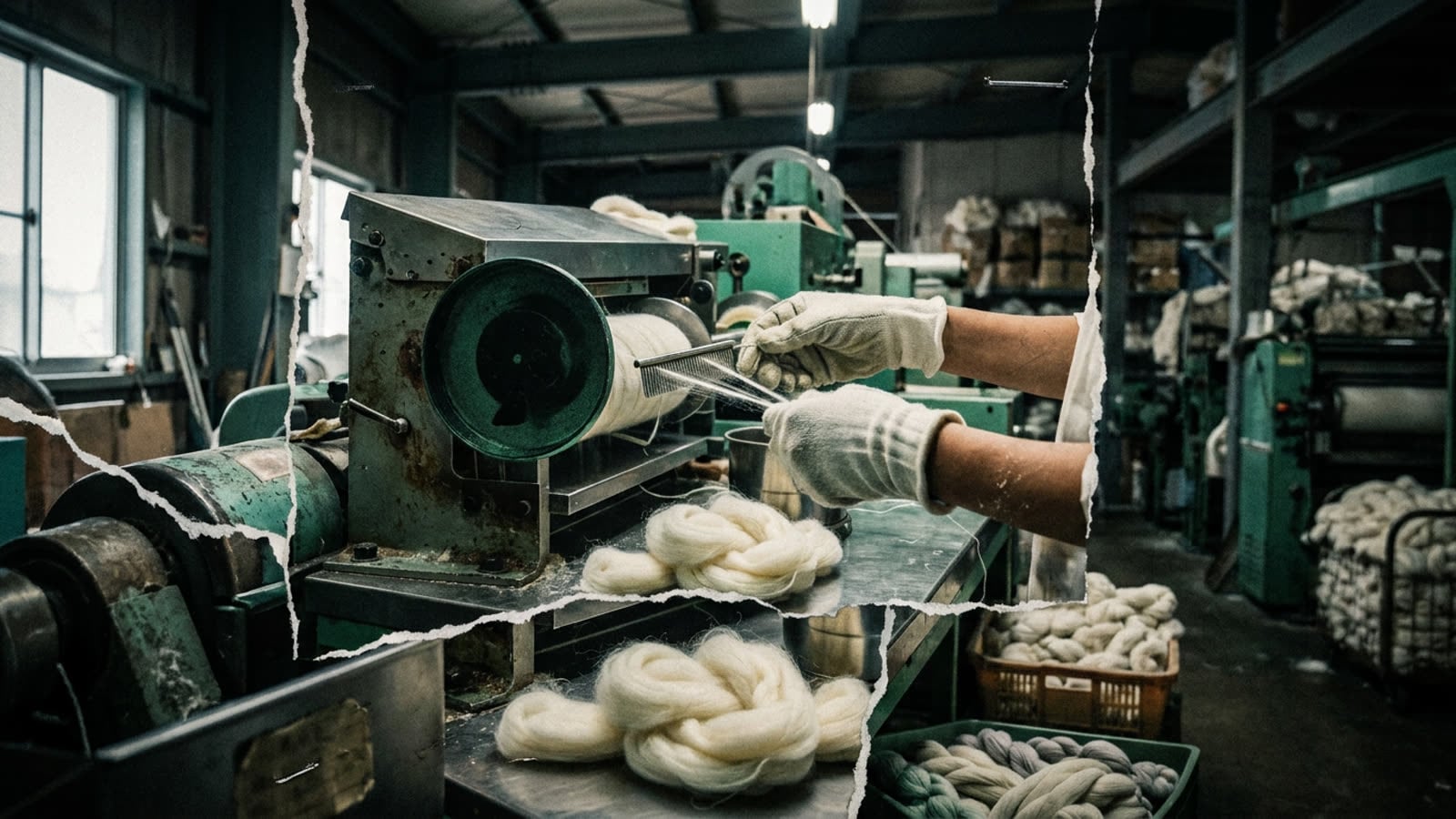
The major pointe shoe makers—Freed of London, Bloch, Gaynor Minden, Grishko, Capezio—operate in a peculiar economic twilight. Their products require skilled handwork that resists automation. A single shoemaker at Freed, for instance, might produce only a few dozen pairs per day, each one signed with their personal stamp. Principal dancers at companies like the Royal Ballet or American Ballet Theatre develop relationships with specific makers whose hands produce shoes that suit their particular feet.
This artisanal model creates a ceiling on production and a floor on price. Yet that price cannot rise too dramatically, because the customer base—professional dancers, serious students, and recreational adults—is neither large nor wealthy. Company dancers typically receive shoe allowances from their employers, but these rarely cover actual consumption. The gap comes out of salaries that, outside the very top tier, remain modest.
Why innovation struggles
Gaynor Minden disrupted the market somewhat in the 1990s by introducing a shoe with a polymer box and shank instead of traditional materials. The shoes last longer—sometimes dramatically so—and require less breaking-in. Many dancers swear by them. Many others refuse to wear them, insisting that the traditional shoe's responsiveness and feel cannot be replicated.
This is the central tension. The product's inefficiency is also, in some ways, its point. The pointe shoe is supposed to be temporary, responsive to the dancer's body on a given night, broken in and then broken down. A shoe that lasts too long might feel dead, unresponsive, wrong. The destruction is part of the design.
Manufacturers have thus found themselves in the strange position of being unable to make their product too durable without alienating their core customers. They sell disposability to people who cannot easily afford it.
Our take
The pointe shoe economy is a small, strange monument to the limits of rationality in markets. It survives not because it makes sense but because the art form requires it, and the art form has decided—for reasons aesthetic, traditional, and perhaps slightly masochistic—that sense is beside the point. Every performance is built on planned obsolescence, and every dancer knows it. The beauty is expensive, brief, and non-negotiable.