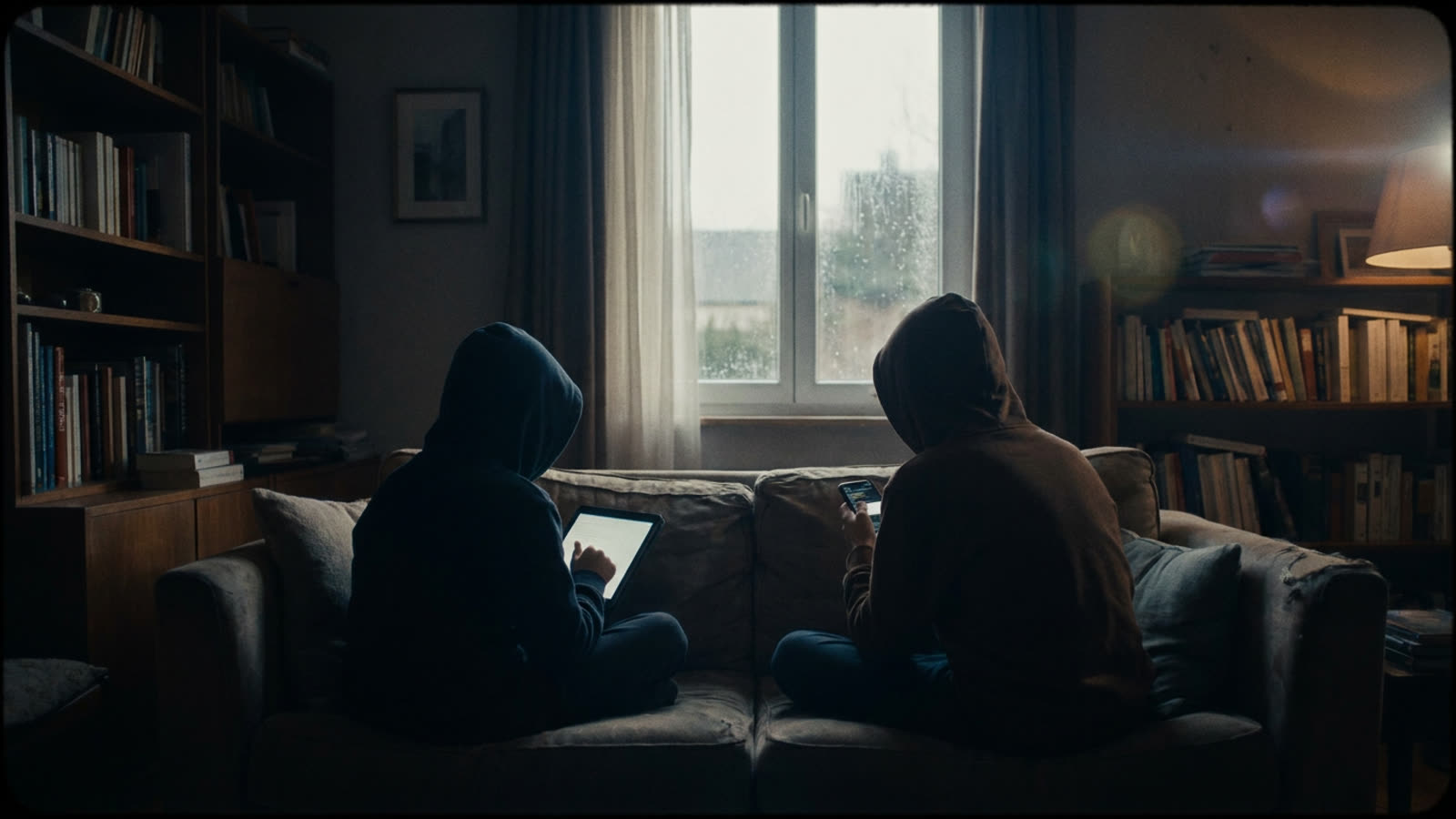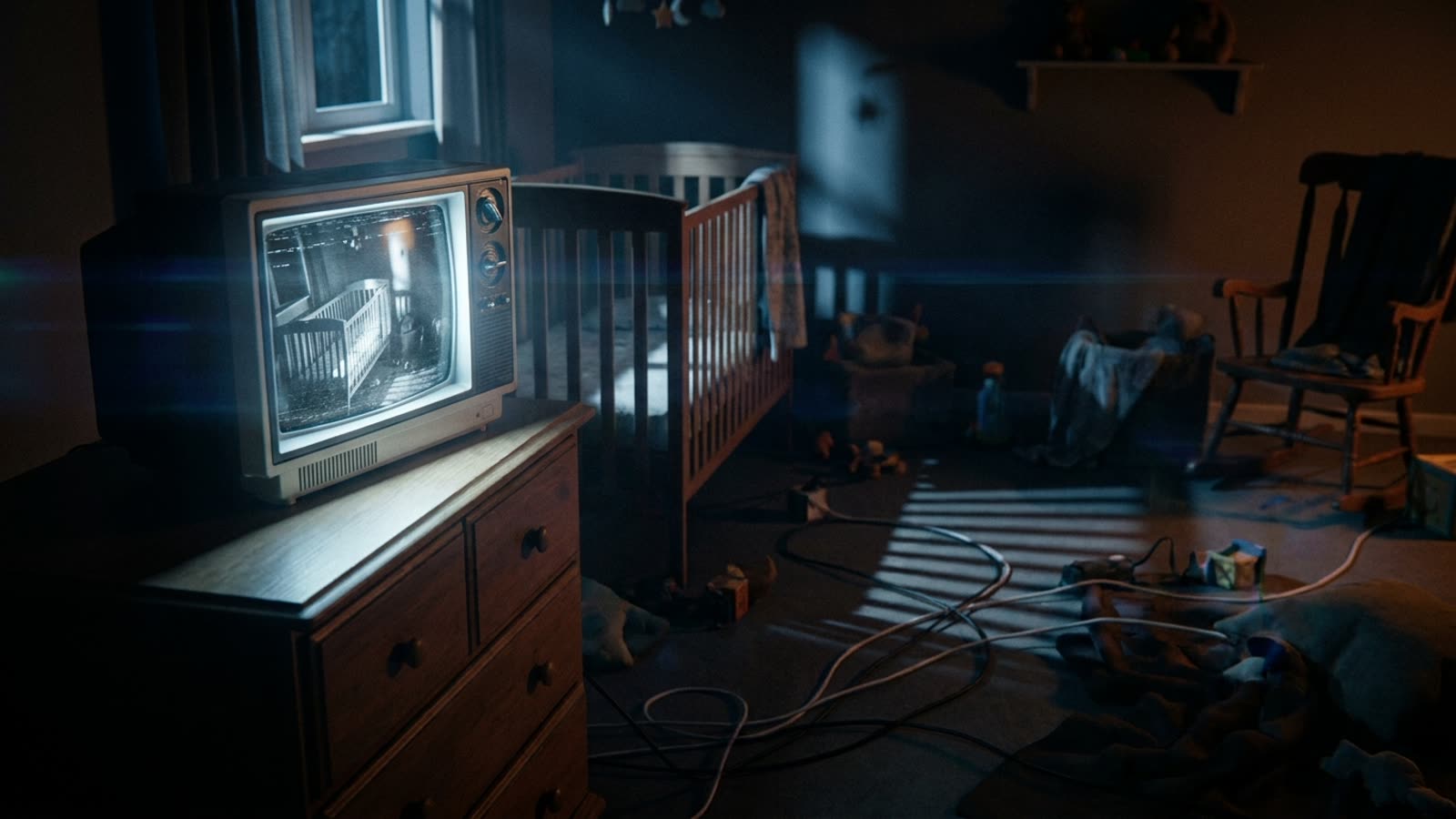
The images are the stuff of parental nightmares: infants staring into camera lenses, children playing in their bedrooms, the intimate chaos of family life captured and catalogued by strangers. A newly disclosed vulnerability affecting over one million baby monitors and home security cameras has laid bare what security researchers have warned about for years — the devices we install to protect our families are often the weakest links in our digital lives.
The breach, which affected cameras from multiple manufacturers, allowed hackers to view live feeds with trivial effort. No sophisticated exploits were required; in many cases, default credentials and unencrypted connections were sufficient. The affected devices represent a cross-section of the consumer IoT market, from budget monitors sold on Amazon to mid-tier security systems marketed as "smart home" solutions.
The economics of insecurity
The fundamental problem is structural, not technical. Securing connected devices costs money — encryption, regular firmware updates, penetration testing, and secure authentication all add to manufacturing expenses. In a market where consumers comparison-shop primarily on price, the incentive to invest in security is minimal. A baby monitor that costs $30 and works adequately will outsell a $60 competitor with robust security features every time.
Manufacturers face no meaningful liability for shipping insecure products. Unlike automobiles, which must meet federal safety standards, or pharmaceuticals, which require FDA approval, IoT devices enter the market with essentially no security certification requirements. The result is a race to the bottom, with security treated as an afterthought rather than a design requirement.
The regulatory vacuum
Europe has begun addressing this gap with the Cyber Resilience Act, which will impose mandatory security requirements on connected devices sold in the EU. The United States, by contrast, has relied primarily on voluntary guidelines and post-hoc enforcement actions by the FTC. California's SB-327, which banned default passwords on IoT devices, represented progress but remains limited in scope and enforcement.
The challenge is that effective regulation requires technical expertise that lawmakers often lack, while industry self-regulation has proven inadequate. Trade associations produce best-practice guidelines that members are free to ignore. Certification schemes exist but remain voluntary and inconsistent.
The human cost
Beyond the abstract policy debates are real families whose private moments were exposed. Parents who installed cameras to monitor sleeping infants discovered those same devices could be accessed by anyone with basic technical knowledge. The psychological violation is profound — the sanctuary of the home rendered transparent to anonymous observers.
For the children captured in these feeds, the implications extend further. Images of minors, even innocuous ones, have value in certain corners of the internet. The breach represents not just a privacy violation but a potential safety risk that parents never consented to when they purchased devices marketed as protective tools.
Our take
This breach will generate headlines for a week and then fade from public attention, as previous IoT security disasters have. That pattern is itself the problem. Until consumers demand security as a baseline feature, until regulators impose meaningful requirements, and until manufacturers face real consequences for negligence, the next million cameras will be just as vulnerable as the last. The technology to secure these devices exists; what's missing is the will to deploy it.